
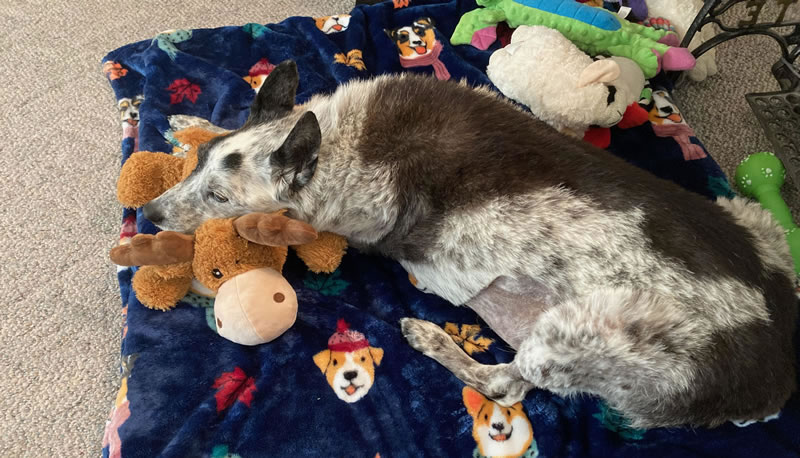
When Blue Belle was diagnosed with mast cell tumor cancer, one of the first topics discussed during our oncology consultation was cost. Like many families facing unexpected vet bills, we suddenly found ourselves learning about treatment expenses and the financial resources available to help pet owners manage veterinary care.
In our family’s situation, we were fortunate to have emergency savings available, allowing us to focus on making medical decisions for Blue Belle rather than worrying about how to pay for treatment. Not every family has that option. If your dog suddenly needs emergency surgery, cancer treatment, specialty care, or hospitalization, unexpected vet bills can create stress at an already difficult time.
This guide provides an overview of financing options, nonprofit assistance programs, pet insurance considerations, and planning strategies that may help dog owners navigate unexpected vet bills.
When Blue Belle needed specialty care, I noticed that financial planning was openly discussed as part of the treatment process.
Our family veterinarian, Pets First Animal Clinic, notes that they accept several payment methods, including CareCredit.
Our specialists at WestVet Animal Emergency & Specialty Center encourage clients who have financial concerns to speak with their client service team about third-party financing options. They also suggest exploring resources such as personal lines of credit through a bank, recommendations from a family veterinarian, local humane society programs, and nonprofit assistance organizations. They also provide information about pet insurance as a way to prepare for future medical expenses.
Why Unexpected Vet Bills Can Be So Expensive
Many pet owners are surprised by the cost of advanced veterinary care.
Expenses may include:
- Emergency surgery
- Cancer treatment
- Chemotherapy
- Specialty consultations
- Diagnostic imaging
- CT scans and MRIs
- Hospitalization
- Intensive care
- Long-term medications
Just as in human medicine, specialized equipment and trained medical professionals contribute to the overall cost of treatment.
Option 1: Use Emergency Savings for Unexpected Vet Bills
If possible, an emergency savings fund is often the simplest way to handle unexpected veterinary expenses.
This was the resource our family relied on during Blue Belle’s cancer treatment.
Even modest monthly contributions can build a safety net over time. While savings may not fully cover every medical emergency, they can reduce the amount that needs to be financed or borrowed.
Option 2: Financing Options for Unexpected Vet Bills
Many veterinary clinics partner with third-party financing companies.
CareCredit
CareCredit functions as a healthcare credit card accepted by many veterinary hospitals. It can often be used repeatedly for future veterinary and medical expenses.
One important feature pet owners should understand is that some promotional offers use a deferred-interest model. If the balance is not paid in full before the promotional period ends, interest may be charged retroactively from the original purchase date. (CareCredit and vet financing: how do they actually work, and what do they cost?)
Because terms can vary, always read the agreement carefully before accepting financing.
Scratchpay
Scratchpay offers installment payment plans rather than a revolving credit card.
The company states that checking eligibility uses a soft credit inquiry that does not affect a consumer’s credit score.
Scratchpay also states that its plans do not use deferred interest.
Cherry
Some veterinary practices offer Cherry financing as a buy-now-pay-later payment option. Because financing terms, approval requirements, and promotional offers can change, pet owners should review Cherry’s current terms directly and ask their veterinarian’s office to explain all payment obligations before enrolling.
Questions to Ask Before Signing Any Financing Agreement
Before accepting a payment plan, consider asking:
- Is this a loan or a credit card?
- What is the interest rate?
- Is there deferred interest?
- What happens if I miss a payment?
- Will checking eligibility affect my credit score?
- Are there late fees?
- Can I pay the balance off early without penalty?
Understanding these details ahead of time can help avoid surprises later.
Option 3: Ask About In-House Payment Arrangements
Some veterinary hospitals offer their own payment arrangements or may be aware of local assistance resources.
Policies vary widely from clinic to clinic, so it never hurts to ask.
Even if a clinic does not provide direct financing, staff members may be familiar with organizations that can help.
Option 4: Nonprofit Assistance Programs Help With Unexpected Vet Bills
Several nonprofit organizations help pet owners facing veterinary expenses.
RedRover Relief
RedRover Relief provides assistance for pet owners experiencing financial hardship when a pet faces a life-threatening medical situation. The organization’s urgent care grants are intended to help bridge funding gaps and typically average around $250. Applicants generally need a diagnosis, treatment plan, and veterinary estimate.
The Pet Fund
The Pet Fund assists with certain non-basic, non-urgent veterinary conditions such as cancer treatment, heart disease, and chronic illnesses. The organization notes that it does not provide funding for emergencies and may have waiting periods before assistance is available.
Frankie’s Friends
Frankie’s Friends provides financial assistance for pets requiring lifesaving emergency or specialty veterinary care when families cannot afford treatment. National grants are available for qualifying situations, and the organization also maintains programs related to specialty and oncology care. NATIONAL Frankie’s Friends Fund Application. PROGRAMS THAT HELP SAVE PETS’ LIVES.
In addition to national organizations, some veterinary specialty hospitals and emergency clinics maintain charitable foundations that may help qualifying families with treatment costs. Ask your veterinary team whether local assistance programs are available in your area.
Option 5: Pet Insurance for Unexpected Vet Bills
Pet insurance can help offset the cost of unexpected illnesses, injuries, surgeries, and specialty care. Coverage, deductibles, reimbursement rates, and exclusions vary by provider.
One lesson frequently shared by pet owners is that insurance is generally most valuable when purchased before a pet develops significant medical conditions. Pre-existing conditions are often excluded from coverage, so it is important to review policy details carefully.
Ask your veterinarian if they have experience working with pet insurance providers and what documentation may be required for reimbursement.
What One Pet Owner Learned About Insurance
A dog owner in the United Kingdom shared that premiums increased significantly after a cancer diagnosis and became even more expensive as the dog aged. Rather than drop coverage entirely, the owner switched to a lower-cost policy that excluded pre-existing conditions but continued to provide coverage for unrelated future illnesses and injuries.
The experience highlights two important considerations: pet insurance costs may increase as pets age, and pre-existing conditions may not be covered when changing insurance providers.
Several dog owners who responded to my request for input said pet insurance helped cover significant portions of cancer treatment, surgery, and specialty care expenses. Others shared that experiencing a costly medical crisis convinced them to purchase insurance for future pets. Their experiences highlight the importance of researching insurance options before a dog develops a serious health condition, since pre-existing conditions are often excluded from coverage.
Questions to Ask Your Veterinary Team
Many pet owners don’t realize they can discuss finances before making treatment decisions.
Consider asking:
- What financing programs do you accept?
- Do you offer payment plans?
- Are there nonprofit organizations you recommend?
- Can treatment be divided into stages if needed?
- Do you have experience working with CareCredit, Scratchpay, or other financing providers?
- Is pet insurance likely to reimburse this condition?
Some specialty and emergency hospitals also maintain charitable foundations that may help qualifying families with treatment expenses. In addition, some hospitals accept donations of unused medications that can help support future patients.
Planning Ahead for Unexpected Vet Bills
While none of us can predict an emergency, a little planning can make future decisions easier.
Consider:
- Creating a dedicated pet emergency fund
- Researching pet insurance before health issues develop
- Saving contact information for local emergency clinics
- Learning which financing options are accepted by your veterinarian
- Bookmarking nonprofit assistance resources
Final Thoughts
None of us plans for a cancer diagnosis, emergency surgery, or a late-night trip to the veterinary hospital.
When Blue Belle was diagnosed, I learned that financial discussions are often part of serious veterinary care. While our family relied on savings, many pet owners may need financing, grants, or other assistance resources.
My hope is that sharing this information helps another family facing unexpected vet bills focus a little less on financial uncertainty and a little more on what matters most: helping their beloved dog receive the care they need.
While every situation is different, understanding your options before a crisis occurs can make difficult decisions a little less overwhelming.
BLOG DISCLAIMER
Financial Information Disclaimer
This article is provided for informational purposes only and should not be considered financial, legal, credit, or tax advice.
Financing programs, eligibility requirements, interest rates, repayment terms, and assistance program guidelines may change over time. Readers should review current terms directly with the provider and consult qualified financial professionals when appropriate before making financial decisions.
References to specific financing companies or nonprofit organizations do not constitute endorsements. Availability of programs may vary by location, veterinary practice, credit qualifications, and other factors.
The experiences shared in this article reflect personal observations and are not guarantees of approval, funding, or financial outcomes.