
How to Prepare for Success When Starting Your Veterinary Clinic

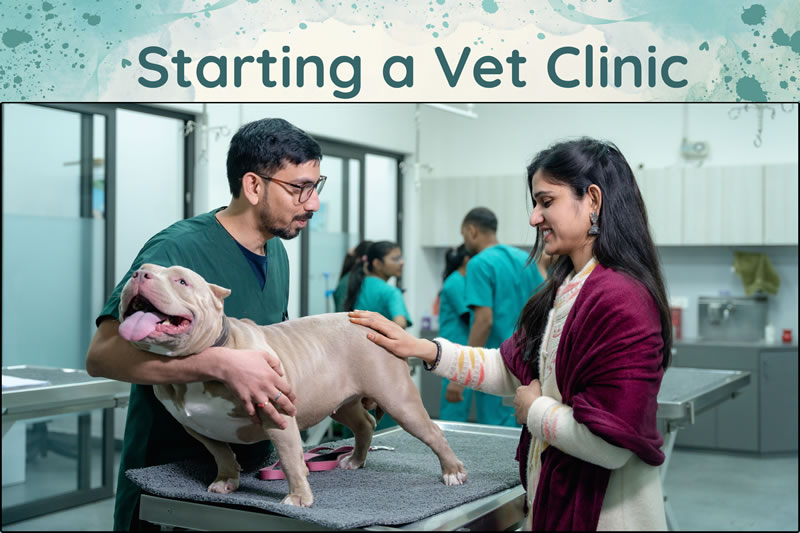
Veterinarian examining a dog while starting a veterinary clinic. Starting a veterinary clinic requires planning, staffing, and quality pet care.
Careful preparation is one of the most important steps when starting a veterinary clinic. Photo Credit DCC Pets

Starting a veterinary clinic requires much more than medical expertise and a love for animals. From choosing the right location and hiring a dependable team to navigating regulations and marketing services, opening a clinic involves careful planning long before the first patient walks through the door.

In today’s guest article, Penny Martin of Furever Friend shares practical guidance for veterinarians, practice managers, and entrepreneurs who are considering veterinary clinic ownership. Whether you’re exploring the idea of starting a new practice or simply curious about what goes on behind the scenes, this overview highlights key steps that can help turn a vision for quality pet care into a sustainable business.


Guest Contributor: Penny Martin, Furever Friend

For veterinarians, practice managers, and local entrepreneurs dreaming of becoming aspiring veterinary clinic owners, pet healthcare entrepreneurship can feel equal parts calling and leap of faith. The core tension is real: delivering excellent care while facing veterinary clinic startup challenges that can overwhelm even experienced animal professionals. A clear veterinary clinic business overview helps separate hopeful assumptions from what the community actually needs, especially when animal care service demand varies by neighborhood, season, and competition. With the right expectations, clinic ownership becomes a thoughtful choice instead of a rushed gamble.

Build a Launch Roadmap for Your Veterinary Clinic

This roadmap helps you connect the big choices behind a new veterinary clinic so your services, space, team, and marketing all support the same plan. For general readers, it turns a complicated dream into a manageable checklist you can discuss with partners, lenders, and advisors.

  • Step 1: Start with simple veterinary market research
    Define who you want to serve and what problems you will solve, such as urgent care gaps, preventive wellness, or senior-pet support. Confirm demand by calling nearby clinics about wait times, reviewing local pet owner groups, and noting what services competitors emphasize. Use the growth outlook behind the USD 165.80 billion by 2033 veterinary hospital market as a reminder to plan for long-term competition, not just a strong first year.
  • Step 2: Choose your service mix and write a one-page business plan
    List your core services, hours, pricing approach, and what you will not offer at launch so your build-out and staffing stay realistic. Put it into a one-page plan covering startup costs, monthly expenses, and how many appointments you need to break even. This becomes your “single source of truth” when new ideas pop up.
  • Step 3: Compare locations using a repeatable scorecard
    Pick 5 to 7 factors to score each option, such as visibility, parking, rent, nearby housing density, and how fast clients can reach you. Walk the area at different times of day to see traffic patterns and safety, then confirm the space can support your layout and equipment. Choose the site that fits both your budget and your day-to-day workflow.
  • Step 4: Confirm regulations, then design the clinic around patient flow
    Check licensing, controlled substances requirements, waste disposal rules, and local zoning before you sign a lease or start construction. Sketch a “pet journey” from entry to exam to treatment to discharge so stressful bottlenecks do not form in hallways or reception. Build in quiet areas for cats, safe separation for contagious cases, and practical storage to keep care smooth.
  • Step 5: Hire for coverage, then market for calls and first visits
    Fill the schedule first by hiring for the hours you will actually be open, then add roles that remove bottlenecks, like a strong receptionist team and experienced technicians. Make it easy to book by phone and track which campaigns create appointments, since calls are ten times more likely to become business than website leads. Launch with a clear “new client” message, local partnerships, and simple follow-up systems that keep pets returning.

Strengthen the Business Skills That Keep a Clinic Running

Once your launch plan is on paper, your ability to lead and manage the business side will shape how smoothly the clinic runs day to day. One practical way to sharpen those skills is by earning an online degree that strengthens your business foundation while you keep moving toward opening. Enrolling in an MBA program could allow you to develop your knowledge of business, strategy, and management, along with learning about leadership, self-awareness, and self-assessment, areas that can support the responsibilities of clinic ownership. If you’re exploring options, comparing the best online MBA programs can help you see what kind of curriculum fits your goals.

Continue reading →

How Dog Owners Can Start and Grow a Successful Pet Care Business

Dog owners who care for senior pups, anxious dogs, or pets with medical needs know how much trust matters when choosing support. That’s why I’m always grateful for experts who understand both the emotional and practical sides of caregiving. Today, I’m excited to welcome guest contributor Penny Martin of Furever Friend as she shares thoughtful, beginner‑friendly guidance for anyone considering starting a pet care business. Whether you’re dreaming about a small side venture or exploring a full‑time path, Penny’s insights can help you build something steady, safe, and truly dog‑centered.

A Golden Retriever sits at a conference table while a team looks toward the dog, illustrating creativity and collaboration in a pet care business setting.
Building a pet care business works best when dogs stay at the center of every decision. Photo by Drew on Unsplash

Guest Contributor: Penny Martin, Furever Friend

Dog owners who already juggle senior dog wellness, pet anxiety, vision loss, or cancer care know how hard it can be to find dependable, knowledgeable support. That’s the tension: care needs are growing, but trustworthy options can feel limited, inconsistent, or out of touch with real-life routines. At the same time, pet industry growth is creating more room for small business owners who want work that matters and fits around their own dogs. For new pet care entrepreneurs, starting a pet care business has become one of the most practical ways to turn hands-on experience into real pet care business opportunities.

Understanding Beginner-Friendly Pet Care Models

The key is picking a pet care business model that fits how you already live with dogs. Dog walking services, a pet sitting business, pet grooming, ecommerce pet products, and mobile pet care each solve a different everyday problem, with different time blocks and energy demands. Growing demand matters here, since the pet care market is expected to keep expanding.

This matters because the “right” offer makes it easier to stay consistent for clients and your own dog. When your schedule matches the service, you can show up calm, prepared, and safety focused. That reliability is what anxious, senior, or medically complex dogs often need most.

Set Up Your Pet Care Business the Right Way

This quick setup path helps you go from “I could do this” to a real, safe, and sustainable pet care business. As a dog owner, these steps protect your time, your home routine, and the health and enrichment standards you want every client dog to receive.

  1. Draft a one-page business plan you can follow
    Start with your service, ideal client, service area, hours, and your non-negotiables (like slow introductions, medication rules, and enrichment breaks). Add simple pricing, weekly capacity, and monthly expenses so you can see what “fully booked” actually looks like. This keeps you from overpromising and burning out, which dogs notice fast.
  2. Choose a startup funding option that fits your risk level
    List what you truly need to start (insurance, basic supplies, a website, scheduling software, vehicle costs) and separate it from “nice-to-haves.” Then compare funding choices: self-funding, a low-limit business credit card you pay monthly, a small loan, or pre-sold packages to early clients. A growing industry can support careful starts, and the projection to grow to USD 75.08 billion shows why it is worth budgeting thoughtfully.
  3. Confirm the legal requirements for pet services in your area
    Write down where you will provide care (your home, the client’s home, outdoors, or mobile) because each location can change the rules. Check basics like business registration, local permits, zoning or home-occupation limits, and animal handling requirements. If you plan to hire help later, also note payroll and contractor rules now so your paperwork does not get messy.
  4. Build your license checklist for your specific service
    Create a simple checklist with “required,” “recommended,” and “not needed” columns, then fill it in based on what you offer. Common items to research include a general business license, a kennel or boarding license (if dogs stay with you), a grooming establishment license (if applicable), and a sales tax permit if you sell products. Keep proof in one folder so you can answer client questions confidently.
  5. Pick one or two pet care certifications to strengthen trust and safety
    Choose certifications that match your daily work, such as pet first aid and CPR, safe dog handling, or fear-free style care and body-language education. Certifications help you set safer protocols for stress, reactivity, senior care, and medication support, which reduces incidents and improves the dog’s experience. Aim for training you will actually use every week, not just badges.
Continue reading →