Essential Steps to Launch a Thriving Pet Boarding and Daycare Business

Running a pet boarding or daycare business is one of those services you don’t fully appreciate until you truly need it. As dog owners here in Boise, we’ve had a few occasions when Blue Belle needed a safe, reliable place for daytime care or an overnight stay. Camp Bow Wow became that trusted spot for us. Their live‑view app let us peek in on her throughout the day and see how she was doing in the pack, which gave us so much peace of mind. That experience reminded me how essential dependable local pet care really is — and why I’m grateful to share this guest article from Shelly Bowling of VetYourPet.Net, who walks through the foundational steps for anyone considering launching a boarding or daycare business rooted in safety, clarity, and community trust.

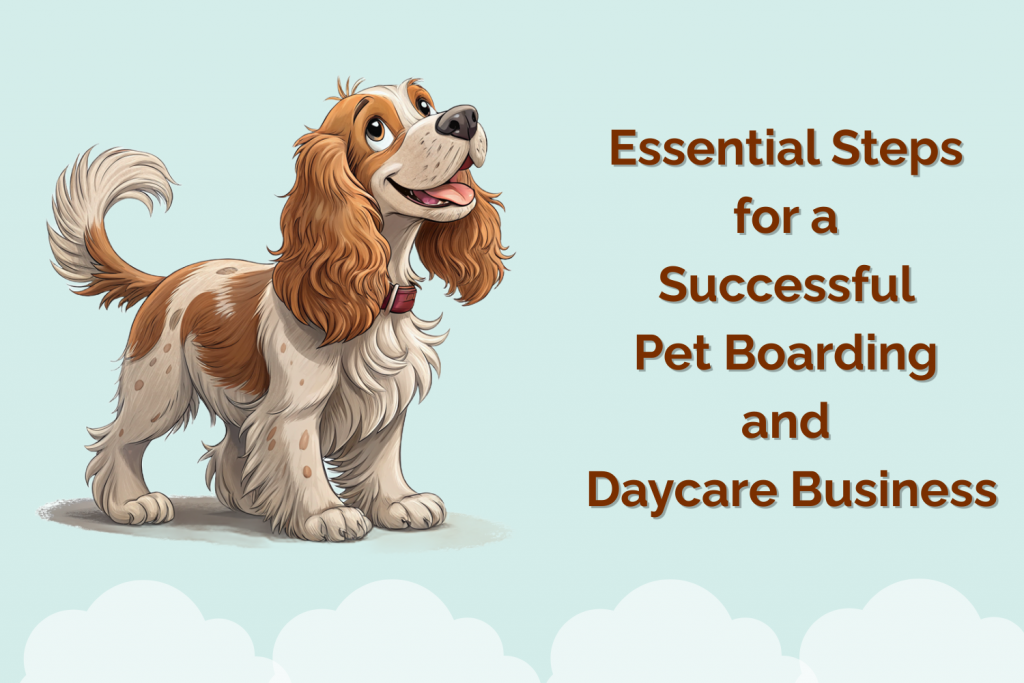
Illustrated happy dog beside title text Essential Steps for a Successful Pet Boarding and Daycare Business
A cheerful illustration of a happy dog — a friendly visual for our guide on launching a successful pet boarding and daycare business.

Guest Contributor: Shelly Bowling, VetYourPet.Net

Local business owners and first-time operators often notice the same thing: pet owners need reliable care during long workdays, travel, and last-minute schedule changes, and the local pet care market feels busy. That demand can make a pet boarding business or pet daycare startup appealing, especially for new business owners who want a service rooted in their community. The tension is real, though, pet owner demand is easy to spot, but harder to match with the right expectations, standards, and daily workload when starting a pet care service. A clear view of the opportunity and the realities is what turns a good idea into a sustainable business.

Build Your Pet Boarding Business Roadmap

This roadmap helps you turn local demand for pet care into a real, workable pet boarding or daycare business. It matters because the early choices you make about services, pricing, safety, and staffing shape your daily workload and your reputation from day one.

  1. Validate demand with simple local market research
    Start with a quick scan of competitors, their hours, waitlists, services, and review themes to spot what pet owners praise and what they complain about. Then talk to likely customers (neighbors, vet clinics, groomers, apartment managers) to confirm peak needs like weekday daycare, weekend boarding, or holiday overflow. A growing category can be encouraging, and the USD 1.7 billion in 2024 pet daycare market size is one sign the space is active, but your local gaps are what you are really hunting for.
  2. Choose your service menu and capacity limits
    Pick 1 to 3 core offers you can run consistently, such as weekday daycare, overnight boarding, or drop-in play sessions, and write a one-paragraph promise for each. Set clear boundaries early: size and temperament rules, vaccination requirements, and the maximum dogs per play group. Capacity limits protect safety and prevent burnout, especially in your first 90 days.
  3. Set pricing that covers labor first, then profit
    List your non-negotiable costs per day of care: staffing hours, cleaning supplies, insurance, software, and lease or utilities, then divide by realistic daily headcount to find your minimum sustainable rate. Compare nearby rates and position yourself intentionally (basic, mid-tier, premium) by tying price to what clients feel, such as extended hours, photo updates, or smaller groups. Keep pricing simple enough that a first-time customer can understand it in 10 seconds.
  4. Confirm facility requirements and build a safety-first layout
    Check zoning, permits, and inspection expectations before you sign a lease or remodel, because changing locations later is expensive. Design for smooth traffic: separate intake area, secure gates, distinct play zones, ventilation, easy-to-sanitize surfaces, and a calm isolation space for sick or stressed pets. Build your cleaning routine into the layout so it is easy for staff to do it the same way every time.
  5. Hire, train, and set up daily operations for launch day
    Hire for calm energy and reliability, then train to your standards using checklists for intake, feeding, medication, play supervision, cleaning, and incident reporting. Set up your operating basics: booking and payment system, customer policies, emergency contacts, supplier reorder points, and a simple schedule that matches staffing to peak drop-off and pick-up times. Strong operations help you deliver consistent care in a market where the pet services segment fastest 10.0% CAGR can attract new competitors.
Continue reading

How to Create Engaging Local Dog Welfare Events That Build Community

Living here in Boise, I’ve seen how much our community loves coming together for dogs — whether it’s a walk along the Greenbelt, a fundraiser, or a simple gathering at a local park. Events like these do more than bring people and pets together; they help build the kind of connection that strengthens dog welfare efforts year‑round. In this guest post, Shelly Bowling from VetYourPet.net shares practical, thoughtful ways to design a dog welfare event that truly engages people and creates lasting impact. Her ideas are simple, welcoming, and easy for any organization to put into action.

People and dogs walking together along the Boise Greenbelt during a community dog welfare event.
See Spot Walk participants enjoying a morning on the Boise Greenbelt — photo courtesy of Idaho Humane Society

Guest Contributor: Shelly Bowling, VetYourPet.Net

Volunteer coordinators and staff at dog welfare organizations often pour time into local community events, only to watch people drift past the booth, snap a quick photo, and leave without connecting. The core tension is clear: good intentions don’t automatically become participation, and common engagement challenges can make an event feel passive even when the cause matters. When gatherings lack participation strategies, it’s harder to create event memorability and the steady trust that fuels adoption, fostering, donations, and long-term support. With the right focus, local dog welfare events can become a reliable way to deepen community connection.

Understanding Attendee-First Event Design

A strong dog welfare event is designed from the attendee’s experience outward, not from a list of booth ideas. Think in simple steps: help people feel welcome, give them something to do, and make it easy to take one helpful action. In practice, this turns community outreach programs into a real connection point, not a one-way info dump.

This matters because dog owners show up with everyday questions about care, health, behavior, and even better photos of their pets. When the event feels interactive and supportive, people stay longer, ask more, and leave with a clear next step like fostering interest or a donation.

Picture a “Ask-a-Trainer” corner paired with a quick phone-photo station and a simple pledge wall. If you also collect accessibility needs at sign-up, more neighbors can participate comfortably. Once the experience is clear, merchandise can reinforce belonging and become a take-home reminder.

Design Wearable Keepsakes That Spark Participation and Belonging

Customized merchandise, shirts, mugs, or koozies, works best when it’s more than a freebie: use it as an interactive giveaway or a participation reward (for joining a walk, stopping by a booth, or completing a simple activity). Matching items create instant team identity, spark friendly conversations between strangers (“Which color did you get?”), and give supporters a lasting reminder of the day, making it easier for them to feel connected to your mission.

For t-shirts, keep the design straightforward so people actually wear it again: a clear event name, a simple graphic, and a comfortable style. Look for a custom t-shirt design and printing service with lots of styles and brands to fit different preferences, a simplified design process, clear pricing, and free shipping; browsing personalized t-shirt options can be an easy starting point.

Continue reading

How Dog Owners Can Start and Grow a Successful Pet Care Business

Dog owners who care for senior pups, anxious dogs, or pets with medical needs know how much trust matters when choosing support. That’s why I’m always grateful for experts who understand both the emotional and practical sides of caregiving. Today, I’m excited to welcome guest contributor Penny Martin of Furever Friend as she shares thoughtful, beginner‑friendly guidance for anyone considering starting a pet care business. Whether you’re dreaming about a small side venture or exploring a full‑time path, Penny’s insights can help you build something steady, safe, and truly dog‑centered.

A Golden Retriever sits at a conference table while a team looks toward the dog, illustrating creativity and collaboration in a pet care business setting.
Building a pet care business works best when dogs stay at the center of every decision. Photo by Drew on Unsplash

Guest Contributor: Penny Martin, Furever Friend

Dog owners who already juggle senior dog wellness, pet anxiety, vision loss, or cancer care know how hard it can be to find dependable, knowledgeable support. That’s the tension: care needs are growing, but trustworthy options can feel limited, inconsistent, or out of touch with real-life routines. At the same time, pet industry growth is creating more room for small business owners who want work that matters and fits around their own dogs. For new pet care entrepreneurs, starting a pet care business has become one of the most practical ways to turn hands-on experience into real pet care business opportunities.

Understanding Beginner-Friendly Pet Care Models

The key is picking a pet care business model that fits how you already live with dogs. Dog walking services, a pet sitting business, pet grooming, ecommerce pet products, and mobile pet care each solve a different everyday problem, with different time blocks and energy demands. Growing demand matters here, since the pet care market is expected to keep expanding.

This matters because the “right” offer makes it easier to stay consistent for clients and your own dog. When your schedule matches the service, you can show up calm, prepared, and safety focused. That reliability is what anxious, senior, or medically complex dogs often need most.

Set Up Your Pet Care Business the Right Way

This quick setup path helps you go from “I could do this” to a real, safe, and sustainable pet care business. As a dog owner, these steps protect your time, your home routine, and the health and enrichment standards you want every client dog to receive.

  1. Draft a one-page business plan you can follow
    Start with your service, ideal client, service area, hours, and your non-negotiables (like slow introductions, medication rules, and enrichment breaks). Add simple pricing, weekly capacity, and monthly expenses so you can see what “fully booked” actually looks like. This keeps you from overpromising and burning out, which dogs notice fast.
  2. Choose a startup funding option that fits your risk level
    List what you truly need to start (insurance, basic supplies, a website, scheduling software, vehicle costs) and separate it from “nice-to-haves.” Then compare funding choices: self-funding, a low-limit business credit card you pay monthly, a small loan, or pre-sold packages to early clients. A growing industry can support careful starts, and the projection to grow to USD 75.08 billion shows why it is worth budgeting thoughtfully.
  3. Confirm the legal requirements for pet services in your area
    Write down where you will provide care (your home, the client’s home, outdoors, or mobile) because each location can change the rules. Check basics like business registration, local permits, zoning or home-occupation limits, and animal handling requirements. If you plan to hire help later, also note payroll and contractor rules now so your paperwork does not get messy.
  4. Build your license checklist for your specific service
    Create a simple checklist with “required,” “recommended,” and “not needed” columns, then fill it in based on what you offer. Common items to research include a general business license, a kennel or boarding license (if dogs stay with you), a grooming establishment license (if applicable), and a sales tax permit if you sell products. Keep proof in one folder so you can answer client questions confidently.
  5. Pick one or two pet care certifications to strengthen trust and safety
    Choose certifications that match your daily work, such as pet first aid and CPR, safe dog handling, or fear-free style care and body-language education. Certifications help you set safer protocols for stress, reactivity, senior care, and medication support, which reduces incidents and improves the dog’s experience. Aim for training you will actually use every week, not just badges.
Continue reading