Murry and Julie Walton with Maggie and Blue Belle.
Dog’s Eye View, written by Boise, Idaho website designer, Julie Walton; her hubby, Murry; and their best friend and dog blogger, Maggie. (Note – sorry to report Maggie died October, 2012. We are happy to introduce you to to the newest member of our family, an adopted rescue Aussie/Heeler named Blue Belle.) She is the Rescue Dog that rescued us.
Our goal in creating this blog is to inform and educate our friends about dogs and the resources we have here in the beautiful Northwest, and to include some good clean fun!
If you have a suggestion, or idea, please feel free to comment or send an email. See the Comment Bubble at the top of each post. Thanks for your interest.
“The reason a dog has so many friends is that he wags his tail instead of his tongue.” ~Author Unknown
Steady routines that help pets can make a tremendous difference when families experience major life changes. Whether you’re moving to a new home, welcoming a baby, changing careers, returning to school, or adjusting to retirement, these transitions affect every member of the household, including our pets.
Guest contributor Sharon Wagner of SeniorFriendly.info shares practical ways to recognize stress and create steady routines that help pets feel secure during periods of change. Her simple strategies can help families provide comfort, stability, and reassurance when life takes an unexpected turn.
Maintaining familiar routines can help pets feel safe and secure during major life transitions. Photo by Vitaly Gariev on Unsplash
Busy parents welcoming a new baby, adults moving homes, and caregivers adjusting to retirement often focus on the human to-do list first, while a pet’s world quietly shifts underneath them. The hard part is that life changes impact on pets can look like “bad behavior” when it’s really pet emotional health reacting to pet routine disruption and changed pets and family dynamics. Common household transitions pets experience, different schedules, new rooms, new people, or missing family members, can pile up until small signals become louder pet stress triggers. Spotting those early signs helps families respond with calm confidence.
Understanding How Transitions Disrupt Pet Rhythm
Big household changes do not just rearrange your calendar. They also change your pet’s daily rhythm, including meals, walks, rest, and who is home. When that pattern shifts quickly after a move, a new baby, or a job change, pets can struggle to feel settled.
This matters because pets often show discomfort through clinginess, pacing, accidents, or extra barking. Keeping basics steady, like consistent feeding and walking schedules, can protect wellbeing while everything else is in motion.
Think of it like jet lag without the plane. If walks start happening hours later and naps get interrupted, your pet may act “off” for days. A simple pet wellness checklist helps you notice small changes early. Once you see the pattern, planning predictable care blocks and backup help becomes much easier.
Build a Steadier Home Routine While Returning to School Online
When life changes throw off your pet’s rhythm, your own schedule becomes a big part of what feels “normal” again at home. If you’re navigating a career transition and returning to school, earning an online degree can offer flexible scheduling and at-home learning, helping you stay present and keep steadier routines for your pets. That consistency can make it easier to maintain regular feeding and play times, even on busy study days. For those drawn to advanced clinical practice, a master’s path can also be a meaningful next step: through a family nurse practitioner education program, you can prepare to take a hands-on role in diagnosing and treating patients while keeping your learning anchored at home.
Use a 7-Day Comfort Plan to Ease Your Pet’s Transition
Big changes, new schedules, new rooms, new people, can make even a confident pet feel uneasy. This simple 7-day comfort plan focuses on pet comfort strategies you can start today, using routine adjustment for pets, calming techniques for pets, and gentle pet behavior management.
Day 1: Lock in two “anchor times” and protect them: Choose two daily non-negotiables (for example, breakfast at 8 a.m. and a 10-minute evening potty walk at 7 p.m.) and keep them steady all week. Predictability is one of the fastest ways of reducing pet anxiety, especially when your own schedule shifts for online classes or meetings. A predictable daily routine helps pets know what comes next, even if the rest of the day changes.
Day 2: Create a comfort zone with clear boundaries: Set up one quiet spot (a bed, crate, or corner) where your pet can retreat and won’t be bothered. Add familiar-smelling items and keep the area consistent, same location, same bedding, same “rules.” If your household is busy, use a baby gate or closed door for short periods so your pet can truly decompress.
Day 3: Add a “pre-change workout” before stressful moments: On days with a trigger, guests arriving, a move-in day, a loud delivery, give your pet a short energy outlet first: a sniff walk, a gentle fetch session, or a food puzzle. Many pets cope better when they’re tired and satisfied; one practical approach is to exercise your pet shortly before the stressful event. Keep it age-appropriate for seniors or pets with arthritis: slower pace, more sniffing, fewer stairs.
Day 4: Practice “micro-absences” to prevent clinginess: If your routine changes (like returning to classes online behind a closed door), rehearse leaving and returning in tiny steps. Start with 30–60 seconds outside the room, come back calmly, and repeat a few times daily, then build up to 5–10 minutes. Pair each practice with a safe chew or puzzle so your pet learns that separation predicts good things.
Day 5: Use calm cues and reward the behavior you want: Pick one cue like “settle” or “bed,” then reward it with small treats for calm body language (soft eyes, relaxed posture, lying down). When your pet follows you, whines, or paws, avoid scolding, redirect to the cue and reward the calmer choice. This supportive pets-during-transitions approach teaches what to do instead of punishing stress.
Days 6–7: Keep a simple “stress log” and adjust one variable at a time: Write down what happened right before the anxious behavior (time, noise, visitors, your absence, schedule slip). Change one thing for 48 hours, shorter alone time, a quieter room, an earlier walk, so you can tell what helps. If you’re budgeting time and backup caregivers like you would during online school weeks, plan one “buffer block” daily for extra potty breaks or decompression.
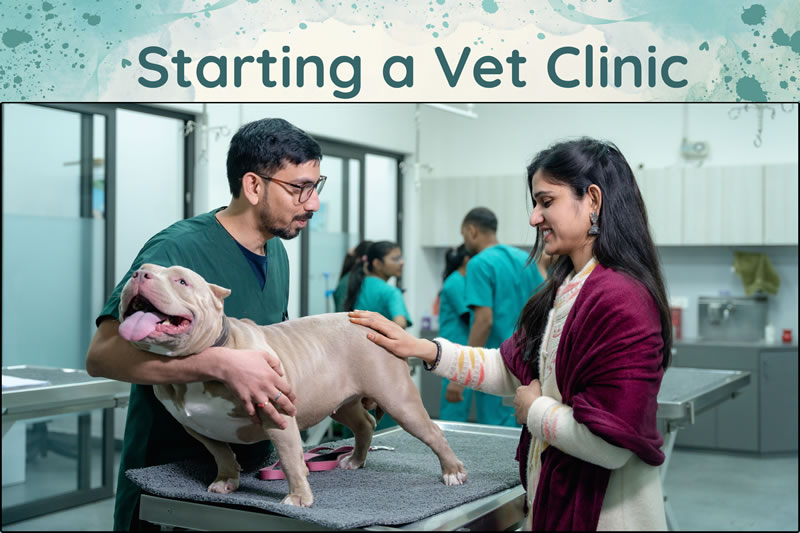
Careful preparation is one of the most important steps when starting a veterinary clinic. Photo Credit DCC Pets
Starting a veterinary clinic requires much more than medical expertise and a love for animals. From choosing the right location and hiring a dependable team to navigating regulations and marketing services, opening a clinic involves careful planning long before the first patient walks through the door.
In today’s guest article, Penny Martin of Furever Friend shares practical guidance for veterinarians, practice managers, and entrepreneurs who are considering veterinary clinic ownership. Whether you’re exploring the idea of starting a new practice or simply curious about what goes on behind the scenes, this overview highlights key steps that can help turn a vision for quality pet care into a sustainable business.
For veterinarians, practice managers, and local entrepreneurs dreaming of becoming aspiring veterinary clinic owners, pet healthcare entrepreneurship can feel equal parts calling and leap of faith. The core tension is real: delivering excellent care while facing veterinary clinic startup challenges that can overwhelm even experienced animal professionals. A clear veterinary clinic business overview helps separate hopeful assumptions from what the community actually needs, especially when animal care service demand varies by neighborhood, season, and competition. With the right expectations, clinic ownership becomes a thoughtful choice instead of a rushed gamble.
Build a Launch Roadmap for Your Veterinary Clinic
This roadmap helps you connect the big choices behind a new veterinary clinic so your services, space, team, and marketing all support the same plan. For general readers, it turns a complicated dream into a manageable checklist you can discuss with partners, lenders, and advisors.
Step 1: Start with simple veterinary market research Define who you want to serve and what problems you will solve, such as urgent care gaps, preventive wellness, or senior-pet support. Confirm demand by calling nearby clinics about wait times, reviewing local pet owner groups, and noting what services competitors emphasize. Use the growth outlook behind the USD 165.80 billion by 2033 veterinary hospital market as a reminder to plan for long-term competition, not just a strong first year.
Step 2: Choose your service mix and write a one-page business plan List your core services, hours, pricing approach, and what you will not offer at launch so your build-out and staffing stay realistic. Put it into a one-page plan covering startup costs, monthly expenses, and how many appointments you need to break even. This becomes your “single source of truth” when new ideas pop up.
Step 3: Compare locations using a repeatable scorecard Pick 5 to 7 factors to score each option, such as visibility, parking, rent, nearby housing density, and how fast clients can reach you. Walk the area at different times of day to see traffic patterns and safety, then confirm the space can support your layout and equipment. Choose the site that fits both your budget and your day-to-day workflow.
Step 4: Confirm regulations, then design the clinic around patient flow Check licensing, controlled substances requirements, waste disposal rules, and local zoning before you sign a lease or start construction. Sketch a “pet journey” from entry to exam to treatment to discharge so stressful bottlenecks do not form in hallways or reception. Build in quiet areas for cats, safe separation for contagious cases, and practical storage to keep care smooth.
Step 5: Hire for coverage, then market for calls and first visits Fill the schedule first by hiring for the hours you will actually be open, then add roles that remove bottlenecks, like a strong receptionist team and experienced technicians. Make it easy to book by phone and track which campaigns create appointments, since calls are ten times more likely to become business than website leads. Launch with a clear “new client” message, local partnerships, and simple follow-up systems that keep pets returning.
Strengthen the Business Skills That Keep a Clinic Running
Once your launch plan is on paper, your ability to lead and manage the business side will shape how smoothly the clinic runs day to day. One practical way to sharpen those skills is by earning an online degree that strengthens your business foundation while you keep moving toward opening. Enrolling in an MBA program could allow you to develop your knowledge of business, strategy, and management, along with learning about leadership, self-awareness, and self-assessment, areas that can support the responsibilities of clinic ownership. If you’re exploring options, comparing the best online MBA programs can help you see what kind of curriculum fits your goals.
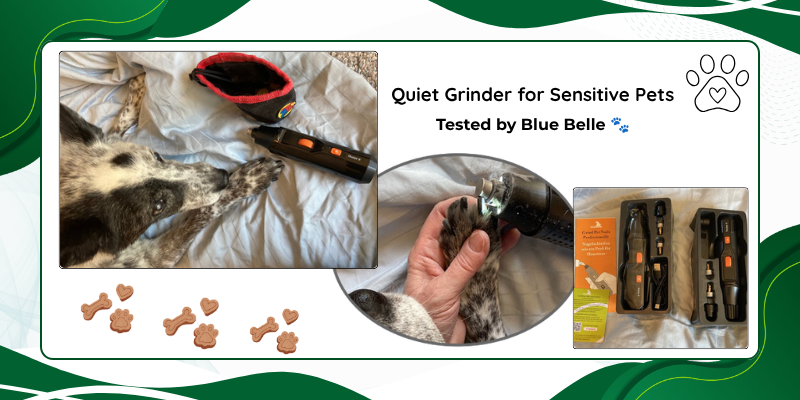
Mom told me we were trying out some new nail grinders, and she said she needed my help with a pet nail grinder review. I wasn’t exactly thrilled — I’d rather be snoozing in a sunbeam — but she explained that keeping my nails short helps my aches and pains. If you’re new here and want to know more about how I came into Mom’s life, you can read The Rescue Dog That Rescued Us: Blue Belle’s Story — it explains how our journey together began.
Mom explained NAIGRINS sent some extra information when they shipped the grinders. They said most nail grinders make high‑frequency noise — the kind that bothers pets with super‑sensitive hearing like mine. Their grinders use low‑frequency technology, which makes them quieter and less stressful.
The TORQUE X has 30% more power for big dogs with thick nails (maybe Trixie!), and the Quiet X is designed to be even quieter, which is perfect for sensitive pups who don’t like loud grooming tools. I appreciated that part.
Since NAIGRINS kindly gifted us two grinders to test, I agreed to give them a fair try. Besides, pedicure day means treats, and I never say no to treats. Mom set out my old sheet, grabbed the treat bag, and we started our usual routine. One treat per toe… that’s the deal. I’m a professional at this point.
Blue Belle testing quiet nail grinders at home.
Why Pet Nail Length Matters More Than You Think
Mom always reminds me that keeping my nails short isn’t just about looking tidy — it actually helps with my comfort, balance, and joint pain. Long nails can change how a dog walks and even cause soreness over time. If you want to learn more about why nail care is so important, Mom found a helpful article from a veterinary dermatologist: Why Pet’s Nail Length Matters More Than You Think. It explains how regular trims support overall health — which is exactly why we’re doing this pet nail grinder review in the first place.
Hi friends, Blue Belle here. Today I’m introducing my new buddy —Bernie the Boxer — a brand‑new canine contributor to DogBlog with a big heart and a sharp eye for keeping a pet-friendly home in great shape.
He knows firsthand how muddy paws, shedding seasons, and curious habits can add up, and he’s sharing smart, pet-friendly upgrades that make life easier for both humans and dogs. Let’s jump in and learn how to keep your home happy, healthy, and repair‑proof — one simple habit at a time.
Guest Canine Contributor: Bernie The Boxer
For busy pet owners balancing work, family, and a full house, home maintenance challenges can feel endless because everyday fur, scratches, and accidents rarely stay “small” for long. What starts as worn flooring, stained trim, or lingering odors can quietly turn into pet-related property damage that costs more time and money than anyone expects. The most common pet household issues are normal, but they add up when a home isn’t set up to handle them. A pet-friendly home environment begins with a simple plan that protects the house while keeping pets comfortable.
Set Up 7 Pet-Proof Upgrades That Simplify Cleaning
Small daily messes, fur, muddy paws, and the occasional accident, can quietly turn into repairs if your home isn’t set up for them. These upgrades focus on materials and routines that make cleanup faster, protect high-wear spots, and reduce the “surprise damage” budget line.
Choose durable, easy-clean flooring in the messiest zones: In entryways, kitchens, and pet-feeding areas, aim for waterproof or water-resistant floors like luxury vinyl plank, tile, or sealed concrete that won’t swell from spills. If you already have carpet, add a washable runner at the door and a waterproof mat under bowls to keep accidents from soaking into padding. Keep a quick-clean kit nearby (paper towels, enzymatic cleaner, and a small trash bag) so you can handle issues before they stain or smell.
Use furniture protection that still looks like “real life,” not a tarp: Start with the spots your pet actually uses: sofa corners, favorite chair arms, and window sills. Washable slipcovers, tightly woven throws, and clear scratch guards on corners protect upholstery from nails and drool without making the room feel off-limits. If shedding is your main issue, a simple habit like vacuuming more often near the sofa and pet beds keeps hair from getting ground into fabric.
Create a wipe-down “landing strip” at doors and hallways: Put an absorbent mat outside and a washable rug inside, then add a small basket with pet wipes, a towel, and paw balm if your climate is dry or salty. This turns muddy paws into a 30-second pit stop instead of hallway footprints and baseboard stains. If you have stairs, keep a handheld vacuum at the top or bottom so fur doesn’t migrate through the whole house.
Replace HVAC filters on a pet schedule, not a calendar reminder: Pet hair and dander can load filters faster than you expect, so check monthly and replace as needed (many homes land around every 30–60 days with pets). A neglected filter can raise costs because a clogged HVAC filter can increase energy consumption by up to 15%. While you’re there, vacuum return vents and consider a lidded hamper for pet bedding to cut down airborne fuzz.
Inspect and tighten your fence like it’s safety equipment: Walk the perimeter every month and after storms: look for loose boards, leaning posts, gaps under gates, and rusted latches. Keep vegetation trimmed and clear debris along the fence line so you can actually see weak spots and prevent warping and rot. If you find a small gap, patch it the same day with a dig barrier or a short section of hardware cloth, tiny openings are how “escape artists” get practice.
Pet-proof hazardous areas with barriers and smarter storage: In garages, laundry rooms, and under-sink cabinets, move chemicals and small chewable items into latched bins or up high. Cover exposed cords, use childproof latches on cabinets, and block access to litter boxes or food storage if one pet raids another’s supplies. A five-minute scan at pet-eye level often reveals the real risks: dangling strings, pills on nightstands, and trash that tips easily.
Install a pet door only after you control drafts, dirt, and security: Pick the location where cleanup is easiest, often a mudroom wall or a door near washable flooring. Use a model with a tight seal and a lock, then train your pet to pause on a mat inside so they don’t track in the yard. If your fence isn’t fully secure, delay the pet door and use a scheduled “potty routine” until you can confidently contain your pet.
You might remember our recent guest post, Essential Steps to Launch a Thriving Pet Boarding and Daycare Business, where we explored how small pet‑focused ventures can grow with clarity and confidence. Today, Don Lewis brings that same practical encouragement to anyone dreaming of opening a pet treat bakery.
Launching a pet treat bakery blends creativity, care, and community — three things that make small‑business dreams feel personal. Don Lewis offers a grounded, encouraging perspective for anyone ready to turn their love of pets into a real venture. His roadmap walks through the first steps that matter most: planning, licensing, sourcing, and marketing, all with the steady confidence of someone who’s built businesses from the ground up. Whether you’re baking in your home kitchen or planning a storefront, this guide helps you start strong and grow sustainably.
For new pet treat bakery owners ready to start selling something pets truly love, the pull is real: creativity, community, and the joy of helping customers care for their animals. The hard part is that launching a pet bakery business can feel like juggling a dozen decisions at once, and the most common pet treat bakery challenges show up fast, confidence dips, costs surprise, and simple questions suddenly feel high-stakes. Still, pet bakery market opportunities keep growing, and that makes starting a pet treat bakery worth taking seriously. With the right expectations, the first sale can feel achievable.
Build Your Pet Treat Bakery Roadmap From Idea to Launch
This roadmap helps you turn a fun idea into a real, sell-ready pet treat bakery with fewer costly surprises. It matters because small choices around licensing, ingredients, and marketing compound quickly, especially when you are learning as you go.
Sketch a simple business plan you can test Start with your “who and what”: which pets you will serve, what treats you will specialize in, and what makes your bakery different (allergy-friendly, training treats, celebration cakes, etc.). Add basic math: your costs per batch, target price, and how many orders you need each week to break even. Keep it to one page so you can revise it fast as you learn.
Confirm licensing and label rules before you bake to sell Make a checklist of what your area requires for a home kitchen or commercial setup, then call the right offices to confirm it in plain language. When you write packaging or online listings, avoid nutrition promises you cannot support since AAFCO explains that “complete and balanced” claims must meet an AAFCO nutrient profile or pass a feeding trial. This step protects you from reprinting labels and relaunching under pressure.
Source ingredients with consistency and traceability Choose 2 to 3 reliable suppliers for your staples (flours, proteins, mix-ins) and ask about lot numbers, storage recommendations, and restock timelines. Build a short “approved ingredients” list and stick to it while you refine your recipes, so quality stays steady as orders grow. Keep notes on cost changes so pricing does not drift out of control.
Pick a location and setup that matches your first-year reality Choose the simplest compliant option that fits your budget, your production volume, and how you will hand off orders (pickup, delivery, shipping). Map your weekly workflow from shopping to baking to cooling to packaging, then make sure the space supports safe storage and easy cleaning. A right-sized setup keeps you profitable longer than a fancy one you cannot fully use.
Develop a small menu and market it where pet owners already look Start with 3 to 5 “signature” items, test them with a handful of repeat customers, and write down exact weights, bake times, and shelf-life expectations so results stay consistent. Then choose two marketing channels you can maintain, like a local partnership and one social platform, and post simple proof: ingredients, behind-the-scenes prep, and customer photos. Tie your offer to demand by remembering the USD 12.35 billion in 2025 pet treats market size, then carve out your corner with a clear niche.
Build Your Business Backbone With a Structured Learning Path
Once you’ve mapped your path from idea to launch, the next confidence boost can come from strengthening the business skills behind every decision. When I was getting serious about turning a passion into a real venture, I went back to school for a business degree, less because I needed another credential, and more because I wanted a sturdier foundation for planning, budgeting, leadership, and market research. Earning a business degree can also help you build practical skills in accounting, business, communications, or management, so you’re not guessing when it’s time to price products, track costs, or lead a small team. And with online degree programs, it’s much easier to keep working full-time while still keeping up with your studies; if you’re curious, you can check the specifics.
Running a pet boarding or daycare business is one of those services you don’t fully appreciate until you truly need it. As dog owners here in Boise, we’ve had a few occasions when Blue Belle needed a safe, reliable place for daytime care or an overnight stay. Camp Bow Wow became that trusted spot for us. Their live‑view app let us peek in on her throughout the day and see how she was doing in the pack, which gave us so much peace of mind. That experience reminded me how essential dependable local pet care really is — and why I’m grateful to share this guest article from Shelly Bowling of VetYourPet.Net, who walks through the foundational steps for anyone considering launching a boarding or daycare business rooted in safety, clarity, and community trust.
A cheerful illustration of a happy dog — a friendly visual for our guide on launching a successful pet boarding and daycare business.
Local business owners and first-time operators often notice the same thing: pet owners need reliable care during long workdays, travel, and last-minute schedule changes, and the local pet care market feels busy. That demand can make a pet boarding business or pet daycare startup appealing, especially for new business owners who want a service rooted in their community. The tension is real, though, pet owner demand is easy to spot, but harder to match with the right expectations, standards, and daily workload when starting a pet care service. A clear view of the opportunity and the realities is what turns a good idea into a sustainable business.
Build Your Pet Boarding Business Roadmap
This roadmap helps you turn local demand for pet care into a real, workable pet boarding or daycare business. It matters because the early choices you make about services, pricing, safety, and staffing shape your daily workload and your reputation from day one.
Validate demand with simple local market research Start with a quick scan of competitors, their hours, waitlists, services, and review themes to spot what pet owners praise and what they complain about. Then talk to likely customers (neighbors, vet clinics, groomers, apartment managers) to confirm peak needs like weekday daycare, weekend boarding, or holiday overflow. A growing category can be encouraging, and the USD 1.7 billion in 2024pet daycare market size is one sign the space is active, but your local gaps are what you are really hunting for.
Choose your service menu and capacity limits Pick 1 to 3 core offers you can run consistently, such as weekday daycare, overnight boarding, or drop-in play sessions, and write a one-paragraph promise for each. Set clear boundaries early: size and temperament rules, vaccination requirements, and the maximum dogs per play group. Capacity limits protect safety and prevent burnout, especially in your first 90 days.
Set pricing that covers labor first, then profit List your non-negotiable costs per day of care: staffing hours, cleaning supplies, insurance, software, and lease or utilities, then divide by realistic daily headcount to find your minimum sustainable rate. Compare nearby rates and position yourself intentionally (basic, mid-tier, premium) by tying price to what clients feel, such as extended hours, photo updates, or smaller groups. Keep pricing simple enough that a first-time customer can understand it in 10 seconds.
Confirm facility requirements and build a safety-first layout Check zoning, permits, and inspection expectations before you sign a lease or remodel, because changing locations later is expensive. Design for smooth traffic: separate intake area, secure gates, distinct play zones, ventilation, easy-to-sanitize surfaces, and a calm isolation space for sick or stressed pets. Build your cleaning routine into the layout so it is easy for staff to do it the same way every time.
Hire, train, and set up daily operations for launch day Hire for calm energy and reliability, then train to your standards using checklists for intake, feeding, medication, play supervision, cleaning, and incident reporting. Set up your operating basics: booking and payment system, customer policies, emergency contacts, supplier reorder points, and a simple schedule that matches staffing to peak drop-off and pick-up times. Strong operations help you deliver consistent care in a market where the pet services segment fastest 10.0% CAGR can attract new competitors.