Helping Pets Adjust Smoothly to Life’s Big Changes

Steady routines that help pets can make a tremendous difference when families experience major life changes. Whether you’re moving to a new home, welcoming a baby, changing careers, returning to school, or adjusting to retirement, these transitions affect every member of the household, including our pets.

Guest contributor Sharon Wagner of SeniorFriendly.info shares practical ways to recognize stress and create steady routines that help pets feel secure during periods of change. Her simple strategies can help families provide comfort, stability, and reassurance when life takes an unexpected turn.

Dog relaxing beside owner while steady routines that help pets provide comfort during life changes
Maintaining familiar routines can help pets feel safe and secure during major life transitions. Photo by Vitaly Gariev on Unsplash

By: Guest Contributor: Sharon Wagner, SeniorFriendly.info.

Busy parents welcoming a new baby, adults moving homes, and caregivers adjusting to retirement often focus on the human to-do list first, while a pet’s world quietly shifts underneath them. The hard part is that life changes impact on pets can look like “bad behavior” when it’s really pet emotional health reacting to pet routine disruption and changed pets and family dynamics. Common household transitions pets experience, different schedules, new rooms, new people, or missing family members, can pile up until small signals become louder pet stress triggers. Spotting those early signs helps families respond with calm confidence.

Understanding How Transitions Disrupt Pet Rhythm

Big household changes do not just rearrange your calendar. They also change your pet’s daily rhythm, including meals, walks, rest, and who is home. When that pattern shifts quickly after a move, a new baby, or a job change, pets can struggle to feel settled.

This matters because pets often show discomfort through clinginess, pacing, accidents, or extra barking. Keeping basics steady, like consistent feeding and walking schedules, can protect wellbeing while everything else is in motion.

Think of it like jet lag without the plane. If walks start happening hours later and naps get interrupted, your pet may act “off” for days. A simple pet wellness checklist helps you notice small changes early. Once you see the pattern, planning predictable care blocks and backup help becomes much easier.

Build a Steadier Home Routine While Returning to School Online

When life changes throw off your pet’s rhythm, your own schedule becomes a big part of what feels “normal” again at home. If you’re navigating a career transition and returning to school, earning an online degree can offer flexible scheduling and at-home learning, helping you stay present and keep steadier routines for your pets. That consistency can make it easier to maintain regular feeding and play times, even on busy study days. For those drawn to advanced clinical practice, a master’s path can also be a meaningful next step: through a family nurse practitioner education program, you can prepare to take a hands-on role in diagnosing and treating patients while keeping your learning anchored at home.

Use a 7-Day Comfort Plan to Ease Your Pet’s Transition

Big changes, new schedules, new rooms, new people, can make even a confident pet feel uneasy. This simple 7-day comfort plan focuses on pet comfort strategies you can start today, using routine adjustment for pets, calming techniques for pets, and gentle pet behavior management.

  1. Day 1: Lock in two “anchor times” and protect them: Choose two daily non-negotiables (for example, breakfast at 8 a.m. and a 10-minute evening potty walk at 7 p.m.) and keep them steady all week. Predictability is one of the fastest ways of reducing pet anxiety, especially when your own schedule shifts for online classes or meetings. A predictable daily routine helps pets know what comes next, even if the rest of the day changes.
  2. Day 2: Create a comfort zone with clear boundaries: Set up one quiet spot (a bed, crate, or corner) where your pet can retreat and won’t be bothered. Add familiar-smelling items and keep the area consistent, same location, same bedding, same “rules.” If your household is busy, use a baby gate or closed door for short periods so your pet can truly decompress.
  3. Day 3: Add a “pre-change workout” before stressful moments: On days with a trigger, guests arriving, a move-in day, a loud delivery, give your pet a short energy outlet first: a sniff walk, a gentle fetch session, or a food puzzle. Many pets cope better when they’re tired and satisfied; one practical approach is to exercise your pet shortly before the stressful event. Keep it age-appropriate for seniors or pets with arthritis: slower pace, more sniffing, fewer stairs.
  4. Day 4: Practice “micro-absences” to prevent clinginess: If your routine changes (like returning to classes online behind a closed door), rehearse leaving and returning in tiny steps. Start with 30–60 seconds outside the room, come back calmly, and repeat a few times daily, then build up to 5–10 minutes. Pair each practice with a safe chew or puzzle so your pet learns that separation predicts good things.
  5. Day 5: Use calm cues and reward the behavior you want: Pick one cue like “settle” or “bed,” then reward it with small treats for calm body language (soft eyes, relaxed posture, lying down). When your pet follows you, whines, or paws, avoid scolding, redirect to the cue and reward the calmer choice. This supportive pets-during-transitions approach teaches what to do instead of punishing stress.
  6. Days 6–7: Keep a simple “stress log” and adjust one variable at a time: Write down what happened right before the anxious behavior (time, noise, visitors, your absence, schedule slip). Change one thing for 48 hours, shorter alone time, a quieter room, an earlier walk, so you can tell what helps. If you’re budgeting time and backup caregivers like you would during online school weeks, plan one “buffer block” daily for extra potty breaks or decompression.
Continue reading →

How to Create Engaging Local Dog Welfare Events That Build Community

Living here in Boise, I’ve seen how much our community loves coming together for dogs — whether it’s a walk along the Greenbelt, a fundraiser, or a simple gathering at a local park. Events like these do more than bring people and pets together; they help build the kind of connection that strengthens dog welfare efforts year‑round. In this guest post, Shelly Bowling from VetYourPet.net shares practical, thoughtful ways to design a dog welfare event that truly engages people and creates lasting impact. Her ideas are simple, welcoming, and easy for any organization to put into action.

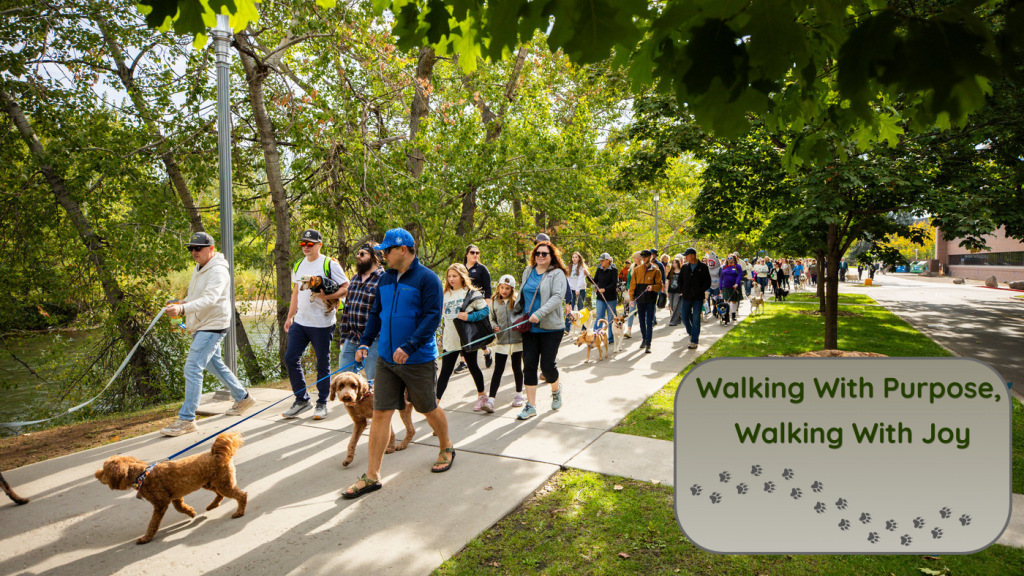
People and dogs walking together along the Boise Greenbelt during a community dog welfare event.
See Spot Walk participants enjoying a morning on the Boise Greenbelt — photo courtesy of Idaho Humane Society

Guest Contributor: Shelly Bowling, VetYourPet.Net

Volunteer coordinators and staff at dog welfare organizations often pour time into local community events, only to watch people drift past the booth, snap a quick photo, and leave without connecting. The core tension is clear: good intentions don’t automatically become participation, and common engagement challenges can make an event feel passive even when the cause matters. When gatherings lack participation strategies, it’s harder to create event memorability and the steady trust that fuels adoption, fostering, donations, and long-term support. With the right focus, local dog welfare events can become a reliable way to deepen community connection.

Understanding Attendee-First Event Design

A strong dog welfare event is designed from the attendee’s experience outward, not from a list of booth ideas. Think in simple steps: help people feel welcome, give them something to do, and make it easy to take one helpful action. In practice, this turns community outreach programs into a real connection point, not a one-way info dump.

This matters because dog owners show up with everyday questions about care, health, behavior, and even better photos of their pets. When the event feels interactive and supportive, people stay longer, ask more, and leave with a clear next step like fostering interest or a donation.

Picture a “Ask-a-Trainer” corner paired with a quick phone-photo station and a simple pledge wall. If you also collect accessibility needs at sign-up, more neighbors can participate comfortably. Once the experience is clear, merchandise can reinforce belonging and become a take-home reminder.

Design Wearable Keepsakes That Spark Participation and Belonging

Customized merchandise, shirts, mugs, or koozies, works best when it’s more than a freebie: use it as an interactive giveaway or a participation reward (for joining a walk, stopping by a booth, or completing a simple activity). Matching items create instant team identity, spark friendly conversations between strangers (“Which color did you get?”), and give supporters a lasting reminder of the day, making it easier for them to feel connected to your mission.

For t-shirts, keep the design straightforward so people actually wear it again: a clear event name, a simple graphic, and a comfortable style. Look for a custom t-shirt design and printing service with lots of styles and brands to fit different preferences, a simplified design process, clear pricing, and free shipping; browsing personalized t-shirt options can be an easy starting point.

Continue reading →

How to Strengthen Your Bond With Your Dog

Person walking with a dog along a leaf‑covered forest path during autumn, strengthening your bond with your dog.
Photo by Simon on Unsplash

If you want to strengthen your bond with your dog, small daily habits make a big difference. Beyond that, a strong bond with your dog doesn’t just make life sweeter — it shapes how your dog experiences the world. As a result, a connected dog is more confident, easier to train, and better able to relax because they trust the person guiding them. Whether you’re starting fresh or deepening an old bond, these simple, science‑backed strategies can help you build trust, communication, and a lasting sense of partnership.

Why Strengthening Your Bond With Your Dog Matters

A healthy bond creates:

  • A calmer, more secure dog
  • Better communication and easier training
  • Reduced stress for both of you
  • A deeper sense of companionship

Every small moment you share becomes part of your dog’s emotional foundation.

Person walking a dog along a dirt path at sunset, strengthen the bond with their dog.
Photo by Patrick Schätz on Unsplash

Strengthen Your Bond With Your Dog

1. Spend Quality Time Together Every Day

Dogs thrive on attention and routine. Even 10–15 minutes of focused time — playing, training, or simply relaxing together — strengthens your connection. These small moments help strengthen your bond with your dog right from the start.

Try This:

  • Short training sessions
  • Gentle brushing
  • Snuggle time on the couch
  • A slow, sniff‑filled walk

2. Learn Your Dog’s Body Language

Understanding your dog’s signals helps you respond to their needs and emotions. In turn, when your dog feels understood, trust grows naturally. Dogs communicate through subtle cues — the position of their ears, the tension in their body, the way they hold their tail, even how they shift their weight. Because of this, learning to notice these small changes can help you catch stress early, support your dog before they feel overwhelmed, and strengthen your connection over time. For a helpful overview of common signals and what they mean, you can read this AKC guide on how to read dog body language.

Key Signals to Watch:

  • Relaxed ears and loose tail = comfortable
  • Lip licking or yawning = stress
  • Turning away = needs space
Continue reading →