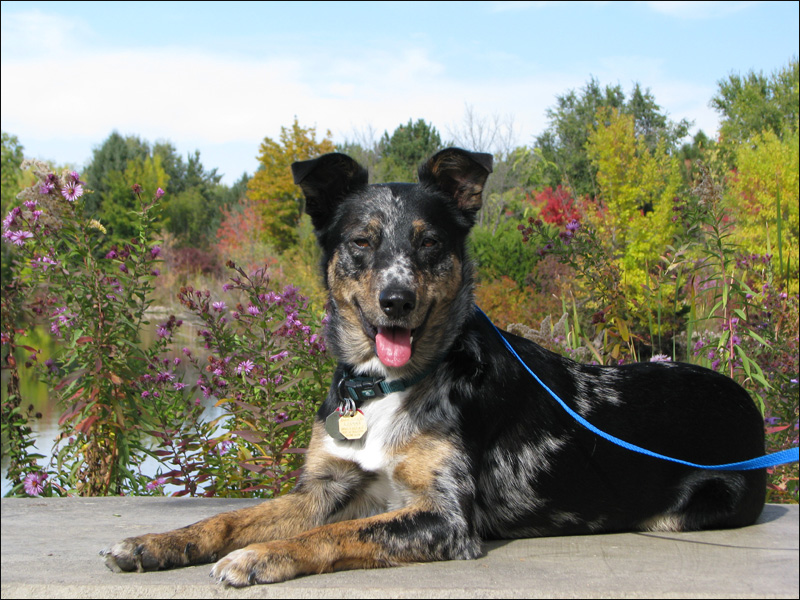
Capturing your dog’s personality on camera starts with simple techniques and a calm, fun approach. Learning how to take amazing Instagram photos of your dog doesn’t require fancy equipment or hours of setup — just a calm moment, good light, and a dog who feels comfortable being themselves. When Sharon Wagner sent over this guest post, I immediately thought of all the times I tried to photograph Maggie at Kathryn Albertson Park here in Boise. We adopted her through a remarkable prison‑training program that shaped her early confidence, and those first months together were full of tiny wins and wiggly challenges. Later, during her Petco training days, I learned just how much a simple cue or quiet moment could change the whole feel of a photo. Sharon’s gentle, beginner‑friendly tips take the pressure off and help you capture the personality you love most.
By: Guest Contributor: Sharon Wagner
For dog lovers who want better Instagram dog photos but feel brand-new to pet photography, the hardest part is turning a wiggly, distracted best friend into a clear, share-worthy moment. The tension is real: the cutest expression happens fast, the light changes, and the camera rarely catches what the heart sees. With a few beginner dog photography tips and the right mindset, capturing pet personality becomes less about perfection and more about timing and connection. The reward is a feed full of photos and videos that look like their dog, not just a dog.
Quick Key Takeaways
- Use simple pet photography equipment so you can shoot quickly and stay focused on your dog.
- Use natural lighting techniques to keep photos bright, clear, and flattering.
- Choose comfortable dog locations to help your pup relax and look natural.
- Use flattering composition angles to highlight your dog’s best features.
- Use gentle attention techniques to capture alert expressions in photos and videos.
Follow These 10 Steps for Better Dog Photos and Videos
Great dog photos usually come down to a few repeatable basics from the cheat sheet, simple gear, great natural light, a comfortable spot, and one attention trick that works for your pup. Use these steps as a quick “do-this-now” checklist for your next shoot.
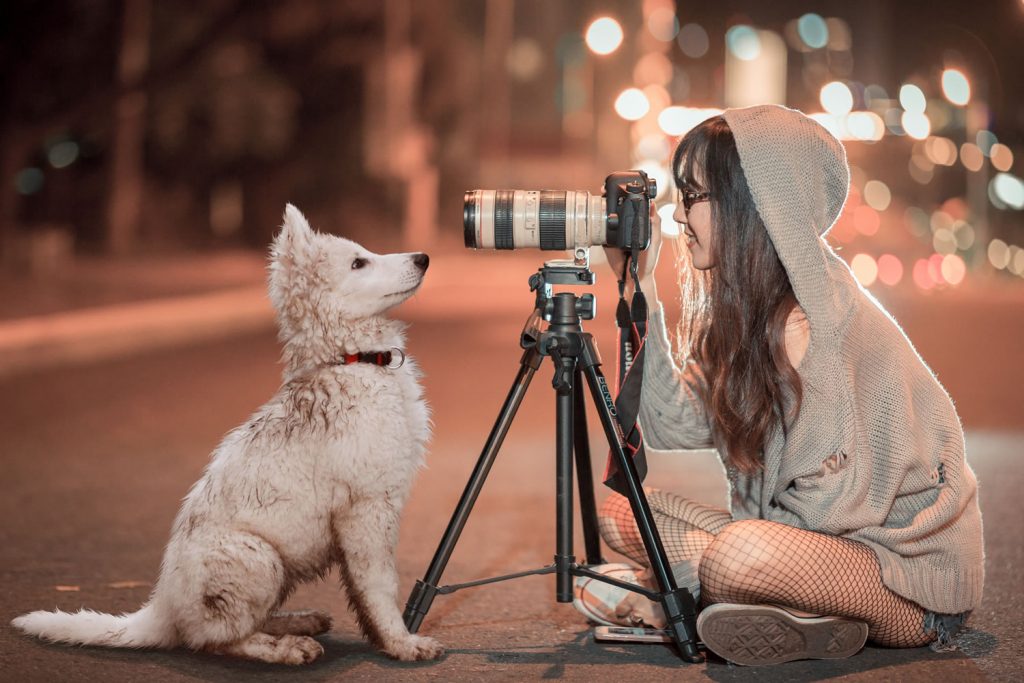
- Set up an adjustable tripod (even if you’re using a phone): Start by placing your tripod at your dog’s eye level, then do one set of shots low and one set slightly above. The tripod keeps your framing steady, helps in lower light, and makes it easier to capture sharp video clips without shaky hands. If your dog moves a lot, widen the tripod stance for stability and give yourself a little extra space in the frame so you can crop later.
- Use a remote shutter (or a timer) for sharper, more natural moments: A remote shutter lets you keep both hands free for treats, toys, or gentle cues while still snapping at the perfect second. It also reduces camera shake and helps you shoot from awkward angles, like low to the ground, without tapping the screen. Try a 3-second timer if you don’t have a remote; pre-focus where you expect your dog to pause.
- Chase golden hour light, and use shade as your backup plan: Aim for the hour after sunrise or before sunset for warm, flattering light and fewer harsh shadows. If you can’t make a golden hour, step into open shade (under a tree or beside a building) and turn your dog toward the brighter direction. For dogs with dark fur, shade plus bright sky light often brings out texture without “blown-out” highlights.
- Pick dog-friendly locations that keep your pup relaxed: Choose places where your dog can succeed: a quiet park corner, a wide trail, your backyard, or a familiar front stoop. Fewer surprises means better expressions and less pulling on the leash. If you want photos with you in them, bring a friend to help hold attention or handle the leash while you focus on framing.
- Test three creative camera angles before you start “serious” shooting: Do a quick angle routine: (1) eye level for connection, (2) slightly below for a heroic look, (3) over-the-shoulder from behind your dog to show the view. Shoot 5–10 frames from each angle without moving your feet much, just change your body position. This keeps the session short while giving you variety for your grid.
- Keep the session calm with tiny, repeatable cues: Work in 2–3 minute bursts, then give a break, sniff time counts as a break. Let your dog inspect the camera/tripod once, then reward calm behavior; get your dog used to the camera so it becomes a normal part of fun time, not a weird object. End after a “win” (one good sit, one great look), not after they’re tired of it.
- Do light editing in photo editing software, think “polish,” not “plastic”: Start with small changes: raise exposure a touch, lower highlights, and add a little contrast so fur detail pops. Crop to straighten horizons and place your dog’s eyes near the top third of the frame for a clean, scroll-stopping look. If the colors look odd, use a gentle white balance adjustment rather than heavy filters.