
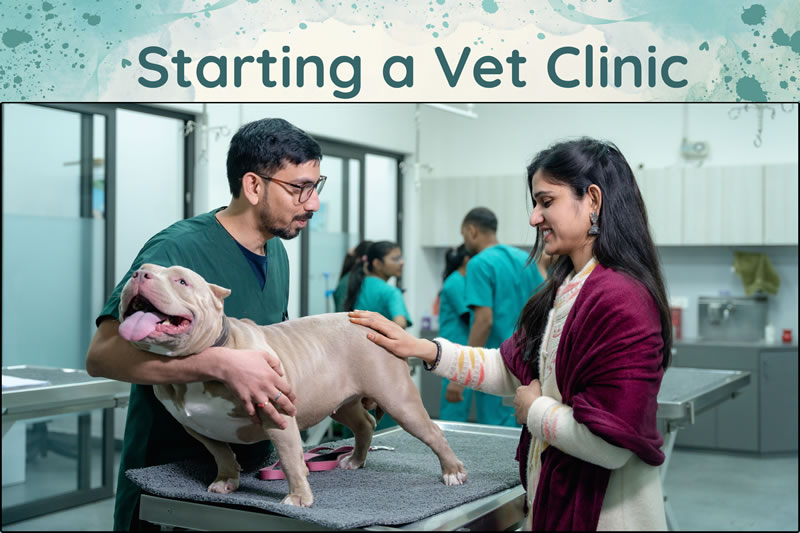
Starting a veterinary clinic requires much more than medical expertise and a love for animals. From choosing the right location and hiring a dependable team to navigating regulations and marketing services, opening a clinic involves careful planning long before the first patient walks through the door.
In today’s guest article, Penny Martin of Furever Friend shares practical guidance for veterinarians, practice managers, and entrepreneurs who are considering veterinary clinic ownership. Whether you’re exploring the idea of starting a new practice or simply curious about what goes on behind the scenes, this overview highlights key steps that can help turn a vision for quality pet care into a sustainable business.
Guest Contributor: Penny Martin, Furever Friend
For veterinarians, practice managers, and local entrepreneurs dreaming of becoming aspiring veterinary clinic owners, pet healthcare entrepreneurship can feel equal parts calling and leap of faith. The core tension is real: delivering excellent care while facing veterinary clinic startup challenges that can overwhelm even experienced animal professionals. A clear veterinary clinic business overview helps separate hopeful assumptions from what the community actually needs, especially when animal care service demand varies by neighborhood, season, and competition. With the right expectations, clinic ownership becomes a thoughtful choice instead of a rushed gamble.
Build a Launch Roadmap for Your Veterinary Clinic
This roadmap helps you connect the big choices behind a new veterinary clinic so your services, space, team, and marketing all support the same plan. For general readers, it turns a complicated dream into a manageable checklist you can discuss with partners, lenders, and advisors.
- Step 1: Start with simple veterinary market research
Define who you want to serve and what problems you will solve, such as urgent care gaps, preventive wellness, or senior-pet support. Confirm demand by calling nearby clinics about wait times, reviewing local pet owner groups, and noting what services competitors emphasize. Use the growth outlook behind the USD 165.80 billion by 2033 veterinary hospital market as a reminder to plan for long-term competition, not just a strong first year. - Step 2: Choose your service mix and write a one-page business plan
List your core services, hours, pricing approach, and what you will not offer at launch so your build-out and staffing stay realistic. Put it into a one-page plan covering startup costs, monthly expenses, and how many appointments you need to break even. This becomes your “single source of truth” when new ideas pop up. - Step 3: Compare locations using a repeatable scorecard
Pick 5 to 7 factors to score each option, such as visibility, parking, rent, nearby housing density, and how fast clients can reach you. Walk the area at different times of day to see traffic patterns and safety, then confirm the space can support your layout and equipment. Choose the site that fits both your budget and your day-to-day workflow. - Step 4: Confirm regulations, then design the clinic around patient flow
Check licensing, controlled substances requirements, waste disposal rules, and local zoning before you sign a lease or start construction. Sketch a “pet journey” from entry to exam to treatment to discharge so stressful bottlenecks do not form in hallways or reception. Build in quiet areas for cats, safe separation for contagious cases, and practical storage to keep care smooth. - Step 5: Hire for coverage, then market for calls and first visits
Fill the schedule first by hiring for the hours you will actually be open, then add roles that remove bottlenecks, like a strong receptionist team and experienced technicians. Make it easy to book by phone and track which campaigns create appointments, since calls are ten times more likely to become business than website leads. Launch with a clear “new client” message, local partnerships, and simple follow-up systems that keep pets returning.
Strengthen the Business Skills That Keep a Clinic Running
Once your launch plan is on paper, your ability to lead and manage the business side will shape how smoothly the clinic runs day to day. One practical way to sharpen those skills is by earning an online degree that strengthens your business foundation while you keep moving toward opening. Enrolling in an MBA program could allow you to develop your knowledge of business, strategy, and management, along with learning about leadership, self-awareness, and self-assessment, areas that can support the responsibilities of clinic ownership. If you’re exploring options, comparing the best online MBA programs can help you see what kind of curriculum fits your goals.
Pre-Launch Q&A for New Veterinary Clinics
Q: What licenses and permits do I need before I can open?
A: Most clinics need a state veterinary license for the practicing veterinarian plus business registration and local zoning approval. You may also need controlled-substance registration and facility permits depending on your services. Call your state veterinary board early and request a written checklist so nothing gets missed.
Q: How hard is it to get credentialing paperwork right?
A: It can feel tedious, but it is manageable when you gather documents upfront. Some applications ask for details like ten years of employment history, so start a secure folder for resumes, IDs, and certifications. If anything is unclear, ask the agency what “complete” looks like before you submit.
Q: What startup challenges surprise new clinic owners most?
A: Hiring takes longer than expected, and workflows can get messy without clear roles. Build simple written protocols for intake, triage, and callbacks, then train the whole team on the same steps. A small soft-opening week can help you fix bottlenecks safely.
Q: How can I estimate monthly operating costs realistically?
A: Start with rent, payroll, software, and lab or pharmacy costs, then add utilities, waste disposal, and equipment maintenance. Price in “quiet months” by keeping a cash buffer and reviewing expenses line by line. Ask vendors for sample invoices so your numbers are not guesses.
Q: What insurance should a veterinary practice carry?
A: Most clinics consider professional liability, general liability, property coverage, and workers’ compensation, plus cyber coverage if you store client data. If you own the building or expensive equipment, confirm replacement values and exclusions. A broker who knows medical practices can help you compare policies clearly.
Q: How do I keep clients coming back after the first visit?
A: Make preventive care easy to say yes to with reminders and clear visit summaries. Many clinics build retention around annual wellness exams, which create steady touchpoints and earlier problem detection. Consistent follow-ups and warm, on-time service do as much as discounts.
Pre-Launch Readiness Checklist for Your Clinic
This quick checklist helps you confirm the big pieces are truly done, not just “in progress.” A clean go or no-go review now prevents stressful surprises once pets and clients start arriving.
✔ Confirm all licenses, registrations, and local approvals are active
✔ Organize credentialing documents in one secure, shareable folder
✔ Complete hiring for core roles and finalize a first-month schedule
✔ Set written workflows for intake, triage, callbacks, and checkout
✔ Verify equipment delivery, installation, and basic staff training
✔ Review monthly budget, vendor terms, and a cash buffer plan
✔ Activate insurance policies and confirm coverage limits and start dates
✔ Launch marketing basics: website, phone line, hours, and appointment booking
Check these off, and opening day can feel calm and confident.
Turn Your Pre-Launch Checklist Into a Strong Opening Week
Opening a clinic can feel like balancing medical standards, business realities, and the hope of a smooth first week, all at once. A calm, systems-first approach, backed by clear priorities and honest readiness checks, keeps key veterinary business takeaways practical when it counts. When that mindset guides a successful veterinary clinic launch, decisions get simpler, the team stays aligned, and owner motivation for clinic growth holds steady through the inevitable surprises. A confident launch comes from consistent preparation, not last-minute scrambling.
DogBlog’s Closing Comments on Starting a Veterinary Clinic
Whether your vision is a traditional clinic or a more comprehensive pet care destination, starting a veterinary clinic with thoughtful planning can help create a stronger experience for pets and their people tomorrow.
Opening a veterinary clinic is about more than exam rooms and equipment. The most successful practices often look for ways to better serve pet owners and build lasting relationships within their communities. Here in Boise, we’ve seen local veterinary teams expand their services in creative ways, including the addition of specialty pet retail offerings, as highlighted when we covered the grand opening of Boise’s new Elite Pet Health & Wellness store. Whether your vision is a traditional clinic or a more comprehensive pet care destination, thoughtful planning today can help create a stronger experience for pets and their people tomorrow.