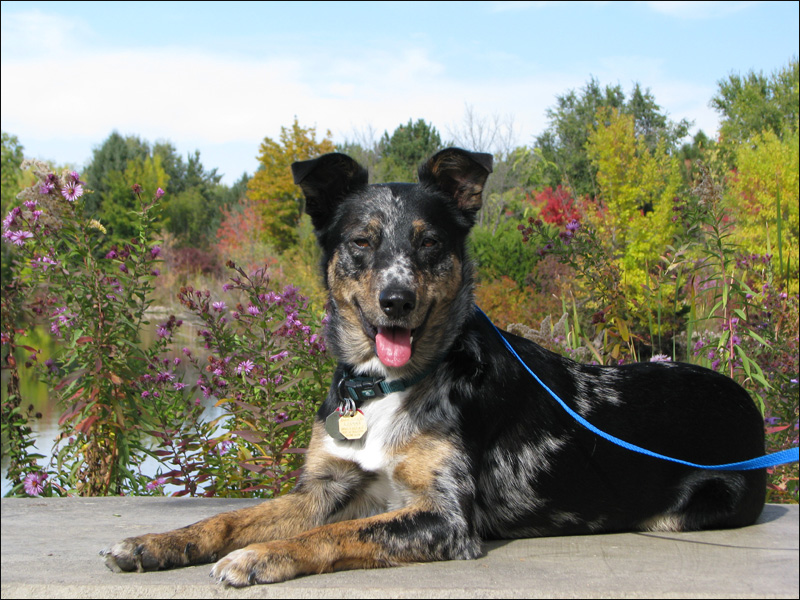
Capturing your dog’s personality on camera starts with simple techniques and a calm, fun approach. Learning how to take amazing Instagram photos of your dog doesn’t require fancy equipment or hours of setup — just a calm moment, good light, and a dog who feels comfortable being themselves. When Sharon Wagner sent over this guest post, I immediately thought of all the times I tried to photograph Maggie at Kathryn Albertson Park here in Boise. We adopted her through a remarkable prison‑training program that shaped her early confidence, and those first months together were full of tiny wins and wiggly challenges. Later, during her Petco training days, I learned just how much a simple cue or quiet moment could change the whole feel of a photo. Sharon’s gentle, beginner‑friendly tips take the pressure off and help you capture the personality you love most.
By: Guest Contributor: Sharon Wagner
For dog lovers who want better Instagram dog photos but feel brand-new to pet photography, the hardest part is turning a wiggly, distracted best friend into a clear, share-worthy moment. The tension is real: the cutest expression happens fast, the light changes, and the camera rarely catches what the heart sees. With a few beginner dog photography tips and the right mindset, capturing pet personality becomes less about perfection and more about timing and connection. The reward is a feed full of photos and videos that look like their dog, not just a dog.
Quick Key Takeaways
- Use simple pet photography equipment so you can shoot quickly and stay focused on your dog.
- Use natural lighting techniques to keep photos bright, clear, and flattering.
- Choose comfortable dog locations to help your pup relax and look natural.
- Use flattering composition angles to highlight your dog’s best features.
- Use gentle attention techniques to capture alert expressions in photos and videos.
Follow These 10 Steps for Better Dog Photos and Videos
Great dog photos usually come down to a few repeatable basics from the cheat sheet, simple gear, great natural light, a comfortable spot, and one attention trick that works for your pup. Use these steps as a quick “do-this-now” checklist for your next shoot.
- Set up an adjustable tripod (even if you’re using a phone): Start by placing your tripod at your dog’s eye level, then do one set of shots low and one set slightly above. The tripod keeps your framing steady, helps in lower light, and makes it easier to capture sharp video clips without shaky hands. If your dog moves a lot, widen the tripod stance for stability and give yourself a little extra space in the frame so you can crop later.
- Use a remote shutter (or a timer) for sharper, more natural moments: A remote shutter lets you keep both hands free for treats, toys, or gentle cues while still snapping at the perfect second. It also reduces camera shake and helps you shoot from awkward angles, like low to the ground, without tapping the screen. Try a 3-second timer if you don’t have a remote; pre-focus where you expect your dog to pause.
- Chase golden hour light, and use shade as your backup plan: Aim for the hour after sunrise or before sunset for warm, flattering light and fewer harsh shadows. If you can’t make a golden hour, step into open shade (under a tree or beside a building) and turn your dog toward the brighter direction. For dogs with dark fur, shade plus bright sky light often brings out texture without “blown-out” highlights.
- Pick dog-friendly locations that keep your pup relaxed: Choose places where your dog can succeed: a quiet park corner, a wide trail, your backyard, or a familiar front stoop. Fewer surprises means better expressions and less pulling on the leash. If you want photos with you in them, bring a friend to help hold attention or handle the leash while you focus on framing.
- Test three creative camera angles before you start “serious” shooting: Do a quick angle routine: (1) eye level for connection, (2) slightly below for a heroic look, (3) over-the-shoulder from behind your dog to show the view. Shoot 5–10 frames from each angle without moving your feet much, just change your body position. This keeps the session short while giving you variety for your grid.
- Keep the session calm with tiny, repeatable cues: Work in 2–3 minute bursts, then give a break, sniff time counts as a break. Let your dog inspect the camera/tripod once, then reward calm behavior; get your dog used to the camera so it becomes a normal part of fun time, not a weird object. End after a “win” (one good sit, one great look), not after they’re tired of it.
- Do light editing in photo editing software, think “polish,” not “plastic”: Start with small changes: raise exposure a touch, lower highlights, and add a little contrast so fur detail pops. Crop to straighten horizons and place your dog’s eyes near the top third of the frame for a clean, scroll-stopping look. If the colors look odd, use a gentle white balance adjustment rather than heavy filters.
Habits That Make Great Dog Photos Repeatable
Amazing Instagram dog photos come easier when your pup expects the pattern and you stay consistent. These small habits build trust, improve attention, and help you capture better expressions week after week.
Two-Minute Camera Desensitizing
- What it is: Let your dog sniff the phone, then reward calm behavior nearby.
- How often: Daily for one week, then weekly.
- Why it helps: The camera becomes normal, so you get relaxed, natural looks.
Treat-to-Target Practice
- What it is: Use food as a tool to guide a sit or down, then reward.
- How often: 3 times a week.
- Why it helps: Clear “jobs” reduce wiggles and give you a predictable pose.
One-Command, One-Reward Rule
- What it is: Keep cues simple and follow rewarding desired behaviors immediately.
- How often: Every mini session.
- Why it helps: Faster feedback makes cooperation a fun, repeatable game.
Ten-Frame Variety Sprint
- What it is: Shoot ten quick frames, then change distance or background once.
- How often: Weekly.
- Why it helps: You bank options without exhausting your dog.
End on a Win
- What it is: Stop after one good moment, then play or let them sniff.
- How often: Every session.
- Why it helps: Your dog learns photos, predicts good things and shows up happily.
Quick Answers for Better Dog Photos
Q: What are the best lighting conditions for taking Instagram-worthy photos of my dog?
A: Aim for soft, even light, like open shade outdoors or a bright window indoors. Shoot with the light facing your dog so eyes sparkle and fur texture shows. If the sun is harsh, turn your pup so the light comes from the side and step into shade for gentler contrast.
Q: How can I get my dog to look directly at the camera during a photoshoot?
A: Hold a treat right beside the lens, say your cue once, and reward the instant you get eye contact. For sharper results, use a small focus area and place it on the nearer eye. Keep it fast, a few reps, then give a short break so your dog stays excited.
Q: What equipment should I invest in to improve the quality of my pet photography?
A: Start with what you have and upgrade your technique first: clean the lens, tap to focus, and steady your phone with two hands. If you buy anything, choose simple basics that reduce blur, like a small tripod or a clip-on light for dim rooms. Comfort items count too, like a squeaky toy or treats that do not crumble.
Q: How do I find the right location where my dog feels comfortable for photo and video sessions?
A: Pick a familiar spot with fewer surprises, like your yard, a quiet hallway, or a low-traffic park corner. Do a one-minute sniff walk first so your dog can settle, then start shooting. Watch for stress signs like tucked tail or constant scanning and move to a calmer area if needed.
Q: What should I consider if I want to use a photo editing app to enhance pictures of my dog?
A: Keep edits subtle: brighten exposure, pull down highlights, and add a touch of warmth so fur looks natural. Prioritize clean details and consider editing the leash out for a polished look when safety requires one. When you export, save your best 10 in a single album and, if you need to share or print, bundle multiple JPGs into one PDF for easy sending (see this handy JPG to PDF conversion overview).
Build Dog Photo Confidence With One Short Instagram Shoot
Getting a dog to hold still, look toward the camera, and cooperate long enough for a great shot can feel like a constant uphill battle. A simple, low-pressure approach, patient practice, small tweaks, and a quick review of what worked, keeps the process fun and repeatable, just like motivating pet photographers do. With continued practice benefits on your side, building photography confidence gets easier, and celebrating photo progress starts to feel natural instead of forced. Small sessions, steady practice, and a happy dog beat perfect photos every time. Set a 10-minute mini session today and save your top three shots in a “Best Pup” folder. Those tiny wins build a calmer, more connected rhythm you’ll both enjoy as skills keep growing.
Take Amazing Instagram Photos of Your Dog – My Closing Thoughts
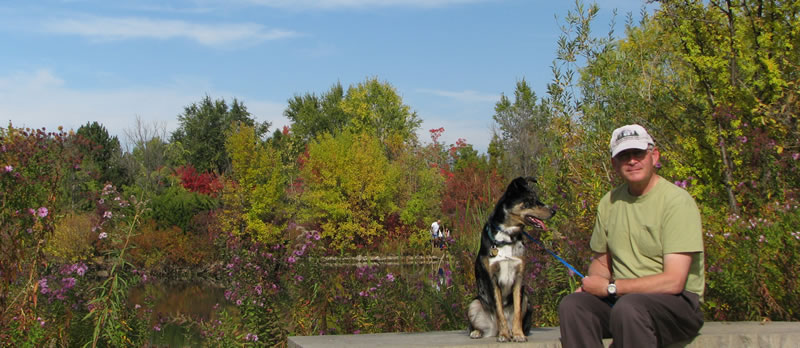
Maggie’s photo from Kathryn Albertson Park still reminds me how quickly a simple walk can turn into a memory worth keeping. We’ve had seasons of joy — and seasons of challenge, like her injury and cone‑days chapter — and every one of them taught me to slow down and notice the small expressions that make a dog who they are. Sharon’s tips make it easier to see those moments: the soft light, the curious head tilt, the quiet pause before your dog moves again. If you’re working on building confidence behind the camera, start small: one short session, one good expression, one tiny win. That’s all it takes to take amazing Instagram photos of your dog that feel true to your life together. And if you want even more ideas, you can revisit my earlier dog‑photography post for simple, beginner‑friendly tips.
Tools That Help You Take Amazing Instagram Photos of Your Dog
Affiliate Disclosure: Some links in this post are Amazon affiliate links. If you choose to purchase through them, I may earn a small commission. It helps support this blog and the dog stories I love sharing. You can also start your shopping through our Amazon link if you’d like to support the blog in a simple way.
If you enjoy simple gear that makes dog photography less stressful, these are the tools many photographers reach for most often. They’re beginner‑friendly, budget‑friendly, and perfect for quick Instagram sessions.
- Lightweight Adjustable Tripod — Keeps your framing steady and lets you shoot at your dog’s eye level without crouching the whole time.
- Bluetooth Remote Shutter — Helps you capture natural expressions while keeping both hands free for treats or gentle cues.
- Clip‑On Phone Light — A small, soft light that brightens indoor photos without harsh shadows.
- Treat Pouch or Quiet Squeaker — Makes it easier to hold attention without crinkly bags or loud noises.
- Simple Photo Editing App — Look for one with exposure, highlights, and white balance tools so you can polish your photos without heavy filters.
Suggested Reading
If you’d like to explore more stories and tips connected to this post, here are a few favorites from the DogBlog archive:
- Maggie’s Adoption Story — how a prison‑training program shaped her early confidence and helped her settle into our family
- Maggie’s First Petco Training Class — the simple cues and calm routines that made everyday life (and photos!) easier
- Maggie’s Injury & Cone‑Days Chapter — how we handled Maggie’s injury and recovery
- Simple Dog Photography Tips — my earlier guide with beginner‑friendly ideas for capturing natural expressions