
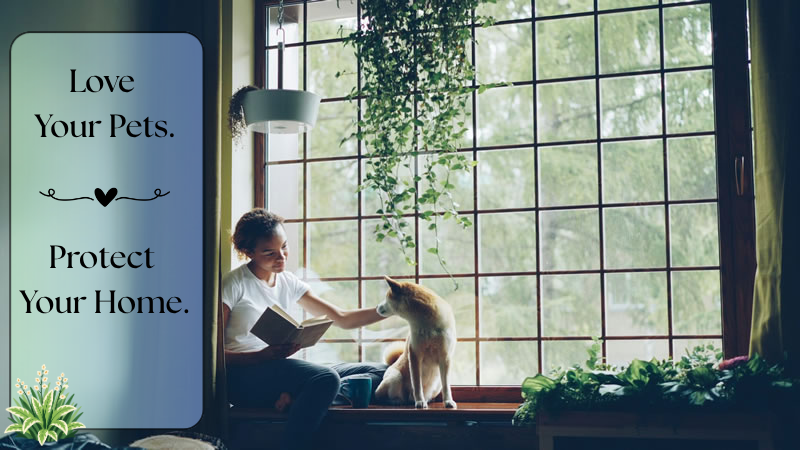
Hi friends, Blue Belle here. Today I’m introducing my new buddy — Bernie the Boxer — a brand‑new canine contributor to DogBlog with a big heart and a sharp eye for keeping a pet-friendly home in great shape.
He knows firsthand how muddy paws, shedding seasons, and curious habits can add up, and he’s sharing smart, pet-friendly upgrades that make life easier for both humans and dogs. Let’s jump in and learn how to keep your home happy, healthy, and repair‑proof — one simple habit at a time.
Guest Canine Contributor: Bernie The Boxer
For busy pet owners balancing work, family, and a full house, home maintenance challenges can feel endless because everyday fur, scratches, and accidents rarely stay “small” for long. What starts as worn flooring, stained trim, or lingering odors can quietly turn into pet-related property damage that costs more time and money than anyone expects. The most common pet household issues are normal, but they add up when a home isn’t set up to handle them. A pet-friendly home environment begins with a simple plan that protects the house while keeping pets comfortable.
Set Up 7 Pet-Proof Upgrades That Simplify Cleaning
Small daily messes, fur, muddy paws, and the occasional accident, can quietly turn into repairs if your home isn’t set up for them. These upgrades focus on materials and routines that make cleanup faster, protect high-wear spots, and reduce the “surprise damage” budget line.
- Choose durable, easy-clean flooring in the messiest zones: In entryways, kitchens, and pet-feeding areas, aim for waterproof or water-resistant floors like luxury vinyl plank, tile, or sealed concrete that won’t swell from spills. If you already have carpet, add a washable runner at the door and a waterproof mat under bowls to keep accidents from soaking into padding. Keep a quick-clean kit nearby (paper towels, enzymatic cleaner, and a small trash bag) so you can handle issues before they stain or smell.
- Use furniture protection that still looks like “real life,” not a tarp: Start with the spots your pet actually uses: sofa corners, favorite chair arms, and window sills. Washable slipcovers, tightly woven throws, and clear scratch guards on corners protect upholstery from nails and drool without making the room feel off-limits. If shedding is your main issue, a simple habit like vacuuming more often near the sofa and pet beds keeps hair from getting ground into fabric.
- Create a wipe-down “landing strip” at doors and hallways: Put an absorbent mat outside and a washable rug inside, then add a small basket with pet wipes, a towel, and paw balm if your climate is dry or salty. This turns muddy paws into a 30-second pit stop instead of hallway footprints and baseboard stains. If you have stairs, keep a handheld vacuum at the top or bottom so fur doesn’t migrate through the whole house.
- Replace HVAC filters on a pet schedule, not a calendar reminder: Pet hair and dander can load filters faster than you expect, so check monthly and replace as needed (many homes land around every 30–60 days with pets). A neglected filter can raise costs because a clogged HVAC filter can increase energy consumption by up to 15%. While you’re there, vacuum return vents and consider a lidded hamper for pet bedding to cut down airborne fuzz.
- Inspect and tighten your fence like it’s safety equipment: Walk the perimeter every month and after storms: look for loose boards, leaning posts, gaps under gates, and rusted latches. Keep vegetation trimmed and clear debris along the fence line so you can actually see weak spots and prevent warping and rot. If you find a small gap, patch it the same day with a dig barrier or a short section of hardware cloth, tiny openings are how “escape artists” get practice.
- Pet-proof hazardous areas with barriers and smarter storage: In garages, laundry rooms, and under-sink cabinets, move chemicals and small chewable items into latched bins or up high. Cover exposed cords, use childproof latches on cabinets, and block access to litter boxes or food storage if one pet raids another’s supplies. A five-minute scan at pet-eye level often reveals the real risks: dangling strings, pills on nightstands, and trash that tips easily.
- Install a pet door only after you control drafts, dirt, and security: Pick the location where cleanup is easiest, often a mudroom wall or a door near washable flooring. Use a model with a tight seal and a lock, then train your pet to pause on a mat inside so they don’t track in the yard. If your fence isn’t fully secure, delay the pet door and use a scheduled “potty routine” until you can confidently contain your pet.