
Tips to Help You Snap Stunning Dog Photos
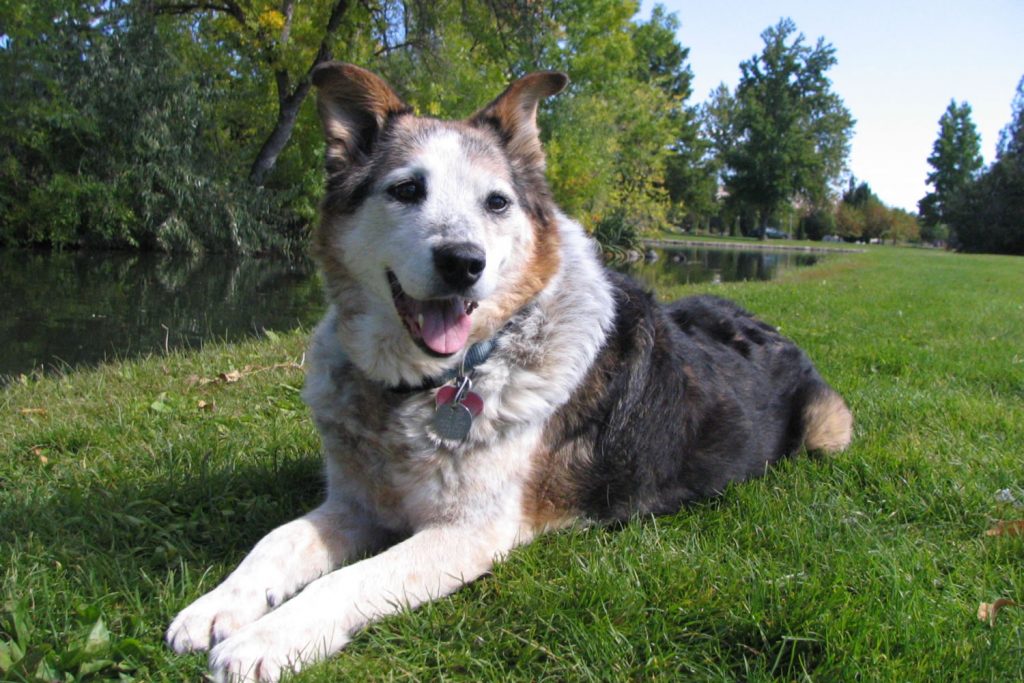
Some of my favorite moments with our dogs are the quiet ones. This peaceful moment with Scout at Boise’s Ann Morrison Park reminded me how meaningful the quiet moments can be. Learning to snap stunning dog photos often starts with noticing these simple, natural pauses. That’s why I’m so grateful to welcome guest contributor Shelly Bowling from VetYourPet.net, who shares gentle, practical tips to help you capture your dog’s personality with confidence and ease.
Guest Contributor: Shelly Bowling, VetYourPet.Net
Dog owners who’ve tried snapping Instagram dog photos know the frustration: the tail won’t stop wagging, the eyes look off, and the one cute moment turns into a blur. Pet photography challenges hit even harder when a dog is anxious, a senior dog tires quickly, or vision issues make attention and positioning unpredictable. For beginner dog photographers, the goal isn’t perfection; it’s learning how to capture dog personality in a way that feels natural and stress-free. With a few foundational shifts, those everyday moments can start looking as good as they feel.
Quick Summary: Better Dog Photos and Videos
- Choose simple photo equipment essentials that help you shoot quickly and confidently.
- Use natural lighting for pets to keep photos bright, flattering, and easy to capture.
- Pick comfortable dog locations so your dog stays relaxed and is easier to film.
- Try low, dog-level camera angles for dogs to create more engaging photos and videos.
- Practice pet photo patience to capture authentic expressions and natural movement.
Follow This Shoot Plan: Gear, Light, Angles, and Calm
A simple plan beats “hoping for a good shot.” Use this checklist-style approach to combine the essentials, steady gear, flattering light, a comfy location, and patience, so your dog looks like themself.
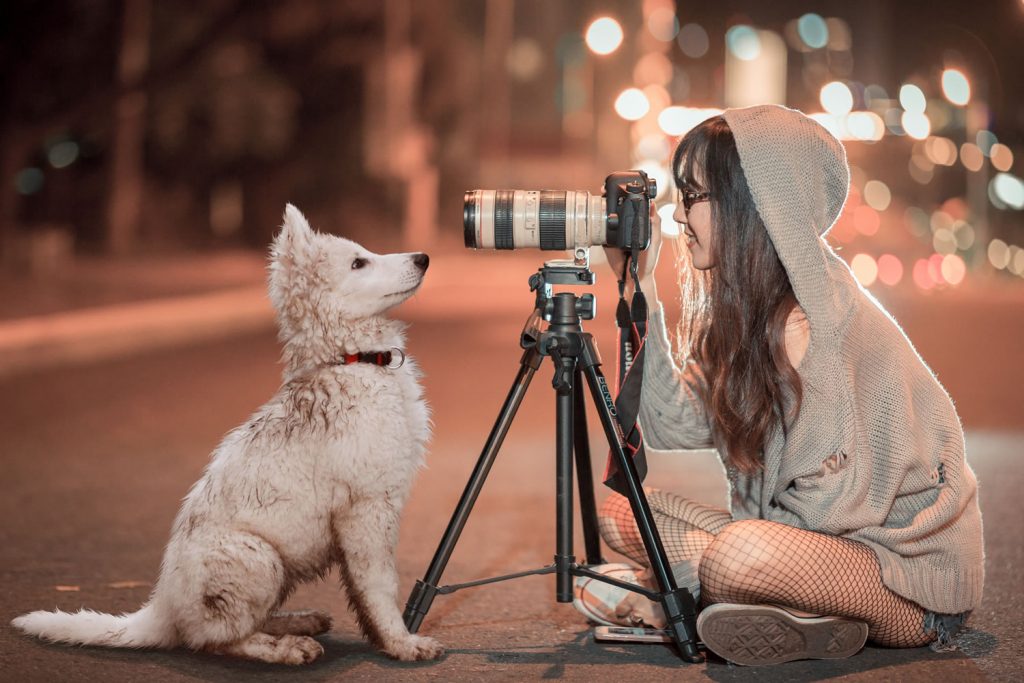
- Set up an adjustable tripod first: Extend the tripod to your dog’s eye level for portraits, then lower it for “tiny paws” close-ups, or raise it slightly for a clean background. A tripod helps you hold the composition steady while you focus on your dog’s safety and comfort, and use a tripod when you want sharper photos without rushing. If your dog is wiggly, lock the legs wide for stability and keep your bag or leash out of the frame.
- Add a remote shutter to capture real expressions: Pair a remote shutter (or your phone’s built-in timer) so you can keep your hands free for treats, a toy, or a calm “sit.” This reduces the “human hovering over the camera” vibe that makes some dogs stare anxiously or look away. It’s also the easiest way to get photos with your dog, set your frame, step in, and then click when your dog relaxes.
- Shoot in golden hour, and chase soft light, not direct sun: Plan for the hour after sunrise or before sunset, when light is warmer, and shadows are gentler on fur and faces. Aim for open shade or backlight (sun behind your dog) rather than harsh sun on their coat, since soft ambient light tends to look more flattering and reduces squinting. If your dog keeps turning their head, rotate your position around them until the light looks even.
- Scout dog-friendly spots like you’re planning a walk: Choose a location with room to move, few hazards, and predictable distractions, think quiet parks, wide trails, or an uncluttered backyard. Do a 2-minute scan for trash, burrs, sharp sticks, or off-leash traffic that could spike anxiety. If your dog is reactive or senior, pick a familiar place where they can take breaks and sniff without pressure.
- Use simple composition rules you can repeat: Start with one “safe” frame: your dog centered, eyes in focus, background uncluttered. Then try the easy upgrades, place your dog on the left or right third, leave space in front of their nose (so they have “room to look”), and use a path or fence line as a leading line. Taking three versions of the same shot helps you learn fast without overwhelming your dog.
- Change your angle every 10–15 seconds: Get one eye-level portrait, one low-angle “hero shot,” and one top-down “cozy” angle while your dog lies down. Angle variety makes even a plain location look interesting, and it’s especially helpful for black or fluffy coats, where detail can disappear. Keep each attempt short, then reward; this stays fun and protects attention spans.
- Build calm into the shoot with tiny resets: Work in 30–60 second bursts, then pause for water, sniffing, or a few easy cues your dog knows well. Watch for stress signs, lip licking, yawning, turning away, and lower the pressure by stepping back, softening your voice, or switching to candid video for a minute. Consistent, low-stress mini-sessions make great photos feel normal, not like a big event.