
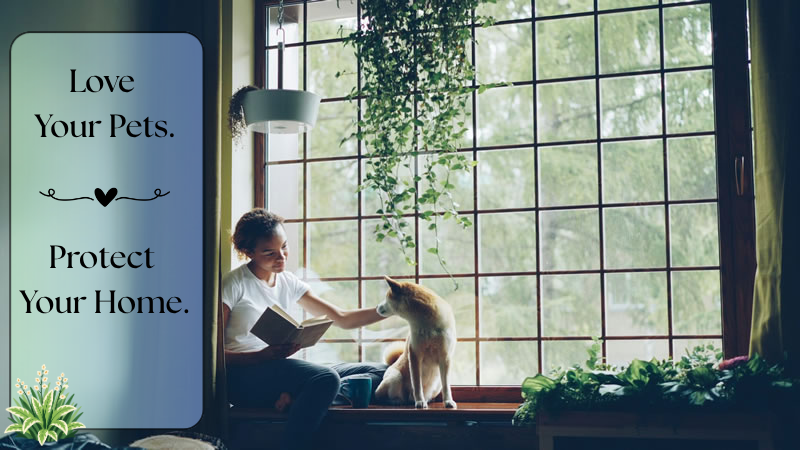
Hi friends, Blue Belle here. Today I’m introducing my new buddy — Bernie the Boxer — a brand‑new canine contributor to DogBlog with a big heart and a sharp eye for keeping a pet-friendly home in great shape.
He knows firsthand how muddy paws, shedding seasons, and curious habits can add up, and he’s sharing smart, pet-friendly upgrades that make life easier for both humans and dogs. Let’s jump in and learn how to keep your home happy, healthy, and repair‑proof — one simple habit at a time.
Guest Canine Contributor: Bernie The Boxer
For busy pet owners balancing work, family, and a full house, home maintenance challenges can feel endless because everyday fur, scratches, and accidents rarely stay “small” for long. What starts as worn flooring, stained trim, or lingering odors can quietly turn into pet-related property damage that costs more time and money than anyone expects. The most common pet household issues are normal, but they add up when a home isn’t set up to handle them. A pet-friendly home environment begins with a simple plan that protects the house while keeping pets comfortable.
Set Up 7 Pet-Proof Upgrades That Simplify Cleaning
Small daily messes, fur, muddy paws, and the occasional accident, can quietly turn into repairs if your home isn’t set up for them. These upgrades focus on materials and routines that make cleanup faster, protect high-wear spots, and reduce the “surprise damage” budget line.
- Choose durable, easy-clean flooring in the messiest zones: In entryways, kitchens, and pet-feeding areas, aim for waterproof or water-resistant floors like luxury vinyl plank, tile, or sealed concrete that won’t swell from spills. If you already have carpet, add a washable runner at the door and a waterproof mat under bowls to keep accidents from soaking into padding. Keep a quick-clean kit nearby (paper towels, enzymatic cleaner, and a small trash bag) so you can handle issues before they stain or smell.
- Use furniture protection that still looks like “real life,” not a tarp: Start with the spots your pet actually uses: sofa corners, favorite chair arms, and window sills. Washable slipcovers, tightly woven throws, and clear scratch guards on corners protect upholstery from nails and drool without making the room feel off-limits. If shedding is your main issue, a simple habit like vacuuming more often near the sofa and pet beds keeps hair from getting ground into fabric.
- Create a wipe-down “landing strip” at doors and hallways: Put an absorbent mat outside and a washable rug inside, then add a small basket with pet wipes, a towel, and paw balm if your climate is dry or salty. This turns muddy paws into a 30-second pit stop instead of hallway footprints and baseboard stains. If you have stairs, keep a handheld vacuum at the top or bottom so fur doesn’t migrate through the whole house.
- Replace HVAC filters on a pet schedule, not a calendar reminder: Pet hair and dander can load filters faster than you expect, so check monthly and replace as needed (many homes land around every 30–60 days with pets). A neglected filter can raise costs because a clogged HVAC filter can increase energy consumption by up to 15%. While you’re there, vacuum return vents and consider a lidded hamper for pet bedding to cut down airborne fuzz.
- Inspect and tighten your fence like it’s safety equipment: Walk the perimeter every month and after storms: look for loose boards, leaning posts, gaps under gates, and rusted latches. Keep vegetation trimmed and clear debris along the fence line so you can actually see weak spots and prevent warping and rot. If you find a small gap, patch it the same day with a dig barrier or a short section of hardware cloth, tiny openings are how “escape artists” get practice.
- Pet-proof hazardous areas with barriers and smarter storage: In garages, laundry rooms, and under-sink cabinets, move chemicals and small chewable items into latched bins or up high. Cover exposed cords, use childproof latches on cabinets, and block access to litter boxes or food storage if one pet raids another’s supplies. A five-minute scan at pet-eye level often reveals the real risks: dangling strings, pills on nightstands, and trash that tips easily.
- Install a pet door only after you control drafts, dirt, and security: Pick the location where cleanup is easiest, often a mudroom wall or a door near washable flooring. Use a model with a tight seal and a lock, then train your pet to pause on a mat inside so they don’t track in the yard. If your fence isn’t fully secure, delay the pet door and use a scheduled “potty routine” until you can confidently contain your pet.
Plan for Surprise Breakdowns With a Home Warranty Safety Net
Even with smart, pet-proof upgrades that make messes easier to manage, some wear-and-tear issues still show up at the worst possible time. That’s where a home warranty can bring peace of mind: it helps cover unexpected repairs to home systems and appliances that can be affected by pet-related wear, like an HVAC system that’s struggling after getting clogged with pet hair. If you’ve ever had a surprise breakdown threaten your maintenance budget, it’s worth understanding what is a home warranty and how it’s different from homeowners insurance, homeowners insurance is generally for sudden, covered damage, while a home warranty focuses on certain breakdowns from normal use. This is an annual renewable contract that can cover breakdowns to your heating, cooling, electrical, and plumbing systems, along with covering appliance repairs.
Pet-Friendly Home Care: Common Questions Answered
Q: How do I keep pet dander from building up without constant vacuuming?
A: Focus on the air and the fabrics. Replace HVAC filters on a set schedule, run a HEPA air purifier in the rooms your pet uses most, and wash throws and pet bedding weekly. Brushing your pet outside a few times a week also reduces what ends up on floors and vents.
Q: What should I do if I smell an old pet accident but can’t find the spot?
A: Use a UV flashlight at night and mark any hits with painter’s tape so you can treat them in daylight. An enzyme cleaner is usually the best first step because it targets what pets detect. Many DIY mixes mask the odor temporarily, which can lead to repeat accidents.
Q: How can I prevent my cat from scratching the couch corners?
A: Put a sturdy scratching post right next to the favorite corner and reward your cat for using it. Add clear corner guards or tightly tucked slipcovers while the new habit sticks. Keep nails trimmed to reduce snagging.
Q: Where should I store cleaning chemicals so pets stay safe?
A: Use a high cabinet with a latch, not a low sink cabinet that curious noses can pop open. Keep detergents, pods, and disinfectants in original containers, and wipe drips immediately. If you use a garage shelf, choose one above pet height and away from food storage.
Q: When is pet damage “normal wear” versus something I should fix right away?
A: Address anything that can spread, like chewed caulk near tubs, torn window screens, or scratched door weatherstripping. Small fixes prevent moisture intrusion, drafts, and bigger bills later. If a pet habit is driving the damage, solve the behavior and the repair together.
Pet-Friendly Home Maintenance Quick-Check
A simple checklist turns “someday” tasks into repeatable routines that protect your home and your pet. With repair costs rising and the pet insurance market seeing record growth, prevention is often the cheapest plan.
✔ Set an air-filter swap reminder every 30 to 90 days
✔ Run a HEPA purifier in your pet’s main hangout room
✔ Wash pet bedding, throws, and slipcovers weekly
✔ Scan floors at night with a UV light monthly
✔ Seal scratches and chewed trim before moisture spreads
✔ Inspect screens, weatherstripping, and door bottoms each season
✔ Store cleaners in a latched, high cabinet after every use
Check off two items today, and you will feel the difference this week.
Protect Your Home With Pet-Smart Maintenance Habits That Last
Sharing a home with pets is joyful, but it can quietly wear down floors, air quality, and fixtures if upkeep slips. The answer is proactive home care paired with responsible pet ownership, steady routines that make pet-friendly household management feel normal, not overwhelming. When consistent maintenance benefits become part of the week-to-week rhythm, small issues get caught early and repairs stay predictable, supporting long-term home protection. A pet-friendly home stays healthier and cheaper to maintain when habits beat emergencies.
Keeping a Pet-Friendly Home for the Long Run
Thanks for spending time with us today. Bernie’s tips are a reminder that maintaining a pet-friendly home doesn’t have to be complicated — just consistent, thoughtful, and full of love. When we take care of our homes, we’re really taking care of our pets, too.
If you’re looking for more ways to protect your space, you might enjoy our post on dogs and hardwood floors — it’s full of practical tips for keeping surfaces beautiful and pet‑friendly.
And if home safety is on your mind, our guide on protecting your dog from harmful chemicals is a helpful companion to today’s topic.
Bernie and I would love to hear how these routines are working for you. Here’s to cozy floors, clean air, safe spaces, and the joyful chaos of life with dogs.