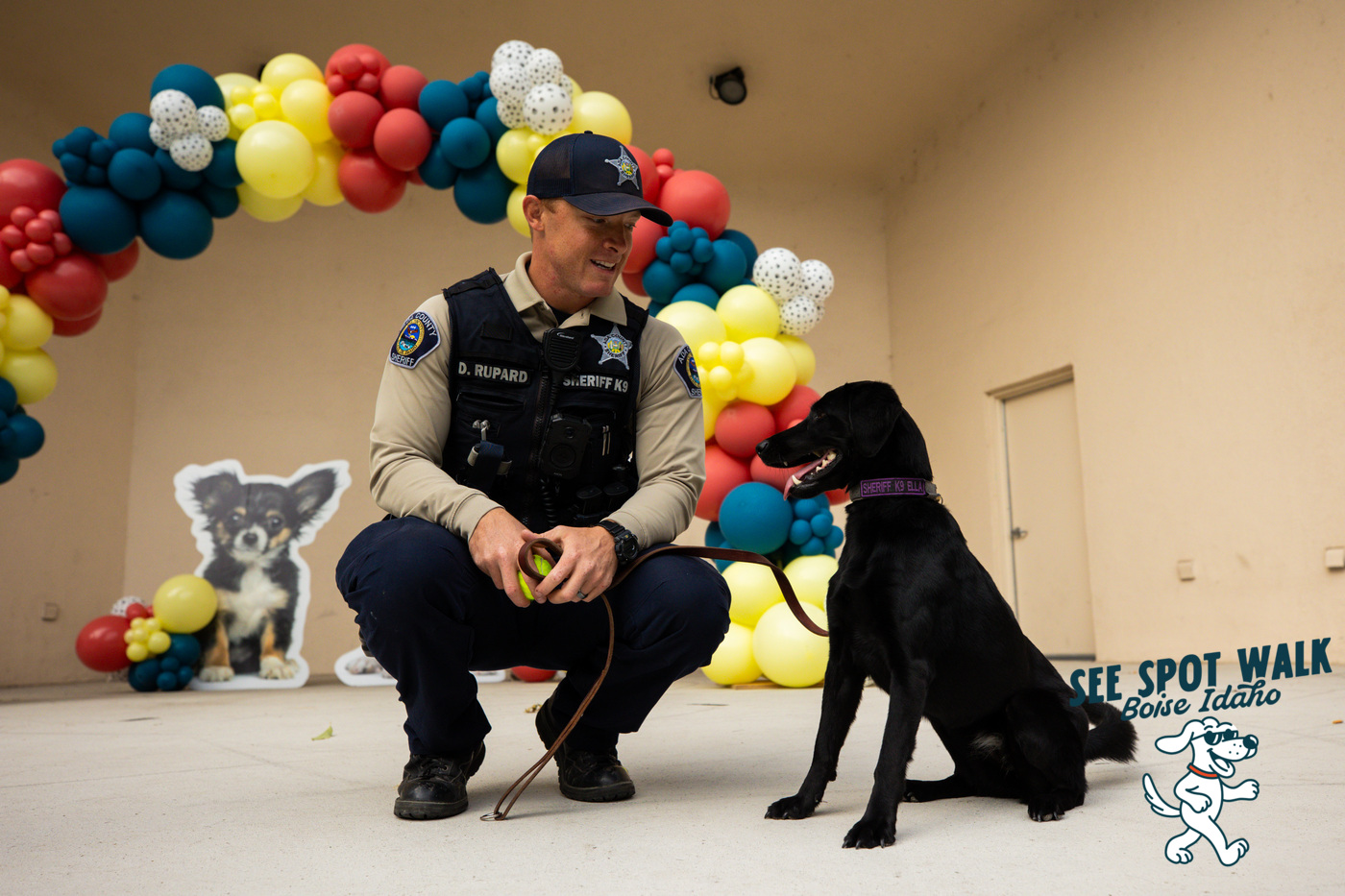
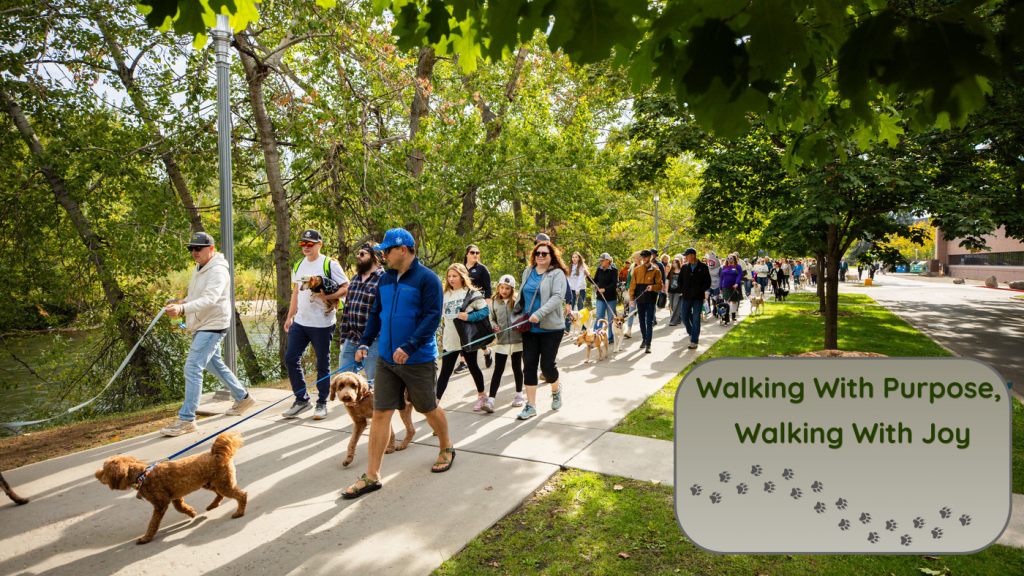
Living here in Boise, I’ve seen how much our community loves coming together for dogs — whether it’s a walk along the Greenbelt, a fundraiser, or a simple gathering at a local park. Events like these do more than bring people and pets together; they help build the kind of connection that strengthens dog welfare efforts year‑round. In this guest post, Shelly Bowling from VetYourPet.net shares practical, thoughtful ways to design a dog welfare event that truly engages people and creates lasting impact. Her ideas are simple, welcoming, and easy for any organization to put into action.
Guest Contributor: Shelly Bowling, VetYourPet.Net
Volunteer coordinators and staff at dog welfare organizations often pour time into local community events, only to watch people drift past the booth, snap a quick photo, and leave without connecting. The core tension is clear: good intentions don’t automatically become participation, and common engagement challenges can make an event feel passive even when the cause matters. When gatherings lack participation strategies, it’s harder to create event memorability and the steady trust that fuels adoption, fostering, donations, and long-term support. With the right focus, local dog welfare events can become a reliable way to deepen community connection.
Understanding Attendee-First Event Design
A strong dog welfare event is designed from the attendee’s experience outward, not from a list of booth ideas. Think in simple steps: help people feel welcome, give them something to do, and make it easy to take one helpful action. In practice, this turns community outreach programs into a real connection point, not a one-way info dump.
This matters because dog owners show up with everyday questions about care, health, behavior, and even better photos of their pets. When the event feels interactive and supportive, people stay longer, ask more, and leave with a clear next step like fostering interest or a donation.
Picture a “Ask-a-Trainer” corner paired with a quick phone-photo station and a simple pledge wall. If you also collect accessibility needs at sign-up, more neighbors can participate comfortably. Once the experience is clear, merchandise can reinforce belonging and become a take-home reminder.
Design Wearable Keepsakes That Spark Participation and Belonging
Customized merchandise, shirts, mugs, or koozies, works best when it’s more than a freebie: use it as an interactive giveaway or a participation reward (for joining a walk, stopping by a booth, or completing a simple activity). Matching items create instant team identity, spark friendly conversations between strangers (“Which color did you get?”), and give supporters a lasting reminder of the day, making it easier for them to feel connected to your mission.
For t-shirts, keep the design straightforward so people actually wear it again: a clear event name, a simple graphic, and a comfortable style. Look for a custom t-shirt design and printing service with lots of styles and brands to fit different preferences, a simplified design process, clear pricing, and free shipping; browsing personalized t-shirt options can be an easy starting point.
Plan Engagement Boosters: Activities, Partners, and Layout Tweaks
Small layout changes and a few “hands-on” moments can turn a dog-friendly event into a real community collaboration. Pick a handful of the ideas below that match your space, staffing, and mission, and pair them with the wearable keepsakes you’re already planning so participation feels fun and visible.
- Run a “passport” activity circuit (easy, high-impact): Set up 4–6 mini-stations (1–3 minutes each) and give attendees a stamp card; each completed station earns a stamp toward a small prize or merch discount. This keeps people moving, reduces long lines, and gently introduces welfare education without a lecture. Make one station “merch pickup/customization” so shirts/bandanas become part of the game, not a separate stop.
- Host micro-lessons: 10-minute training and body-language demos: Schedule short, repeating demos every 30–45 minutes: leash handling, polite greetings, muzzle basics, or reading stress signals. Short sessions fit beginner attention spans and help reactive or shy dogs feel safer because owners leave with a skill immediately. Add a “practice lane” right beside the demo area so people can try it with a volunteer coach.
- Create a low-stress enrichment bar (sniff, lick, puzzle): Offer 2–3 enrichment options that don’t amp dogs up, snuffle mats, “find it” scent cups, or lick mats with dog-safe options. Post simple signs: “1 dog at a time,” “60–90 seconds,” “trade for treats,” so it stays calm and hygienic. This is a great sponsor opportunity for a local pet supply shop to donate puzzle toys or ingredients.
- Build a photo “story corner” with a welfare message: Set up a shaded backdrop with good light, a bench, lint rollers, and a ring of tape on the ground marking where to stand. Add one prompt sign like “Why I support dog welfare” and encourage people to hold it for a quick portrait, then tie it to your keepsake plan by offering a sticker or patch add-on for anyone who shares their reason. If you want an easy, memorable accessory, a cute bandana can make photos feel special without costing much.
- Recruit “community partners with a job,” not just a table: Invite partners only when their booth includes an interactive service: nail-trim demos with safety tips, a veterinarian Q&A, a groomer showing coat-brushing technique, or a trainer running a “polite hello” station. Give each partner one clear outcome and one supply list so it’s easy to execute. This creates real value for attendees and spreads staffing across trusted local experts.
- Use a simple layout that protects dogs first (flow, sound, shade): Divide the space into zones: “Active” (games/demos), “Calm” (enrichment/education), and “Quiet decompression” (water, shade, distance). Keep speaker/music away from the quiet zone and place water stations at exits and intersections to prevent crowding. A quick checklist helps you prioritize your tasks like signage, traffic flow, and volunteer assignments so the day feels smooth.
- Add one collaborative build: community supply wall or care-kit packing: Ask attendees to bring one item (towels, treats, poop bags) or donate on-site, then schedule 2–3 short “packing parties” where families assemble care kits together. Group tasks create instant connection and make your mission tangible in under 10 minutes. Tie completion to a visible reward, like a keepsake stamp, badge, or shirt customization, so people feel part of the team.
Local Dog Welfare Event Planning Questions
Q: What’s the simplest way to prevent long lines and chaos with dogs?
A: Cap activities at 2 to 3 minutes and run multiple small “do something” spots instead of one big queue. A good rule: if one station needs more than one volunteer to explain it, simplify the steps or split it into two.
Q: How many volunteers do I actually need, and what should they do?
A: Plan one volunteer per activity area plus one “floater” who solves problems and gives breaks. Write roles as verbs: “stamp cards,” “reset puzzles,” “manage photo line,” “restock water,” so nobody guesses.
Q: How do I set a budget without surprises sinking me?
A: Build a small contingency fund for last-minute needs like extra poop bags, signage, or shade. Decide early what you will not buy, then ask sponsors or partners to cover that short list.
Q: Can I keep costs low without making the event feel cheap?
A: Yes. Choose one “wow” element (like a photo corner) and keep everything else functional and clean, then hone your negotiation skills with vendors by stating your budget ceiling upfront.
Q: How do I get shy dogs and beginner handlers to participate safely?
A: Offer a quiet option that still earns a stamp, like a calm enrichment task or a simple photo prompt. Post clear spacing and “one dog at a time” cues so owners feel supported, not judged.
Turn Local Dog Welfare Events Into Ongoing Community Connection
Planning a local dog welfare event can feel like balancing logistics while still trying to spark real connection and keep people coming back. A community-first mindset, designing for simple participation, clear roles, and welcoming touchpoints, keeps stress manageable and makes dog welfare advocacy feel personal rather than performative. When that approach guides your choices, participant motivation rises, long-term engagement grows, and event success outcomes become easier to notice through honest event impact reflection. One clear goal, one community-building moment, and one follow-up step turn a single event into momentum. Choose one interaction goal, one community-building touch, and one follow-up move for your next event. That steady rhythm strengthens relationships that support healthier dogs and a more resilient community.
If you’d like to explore more ways to support your dog’s well‑being and strengthen your bond, here are a few related DogBlog posts you might enjoy. As you think about planning or participating in a dog welfare event, these posts offer gentle, practical ways to support your dog’s emotional and physical well‑being.
- Supporting a Senior Dog’s Quality of Life: What We Learned From Blue Belle’s Checkup
- How to Strengthen Your Bond With Your Dog
- Understanding Stress in Dogs
- Helping Blind or Vision‑Impaired Dogs Thrive
- How Music Affects Dogs: The Science, the Benefits, and Blue Belle’s Story
- How to Snap Stunning Dog Photos and Videos with Ease
Closing Comments
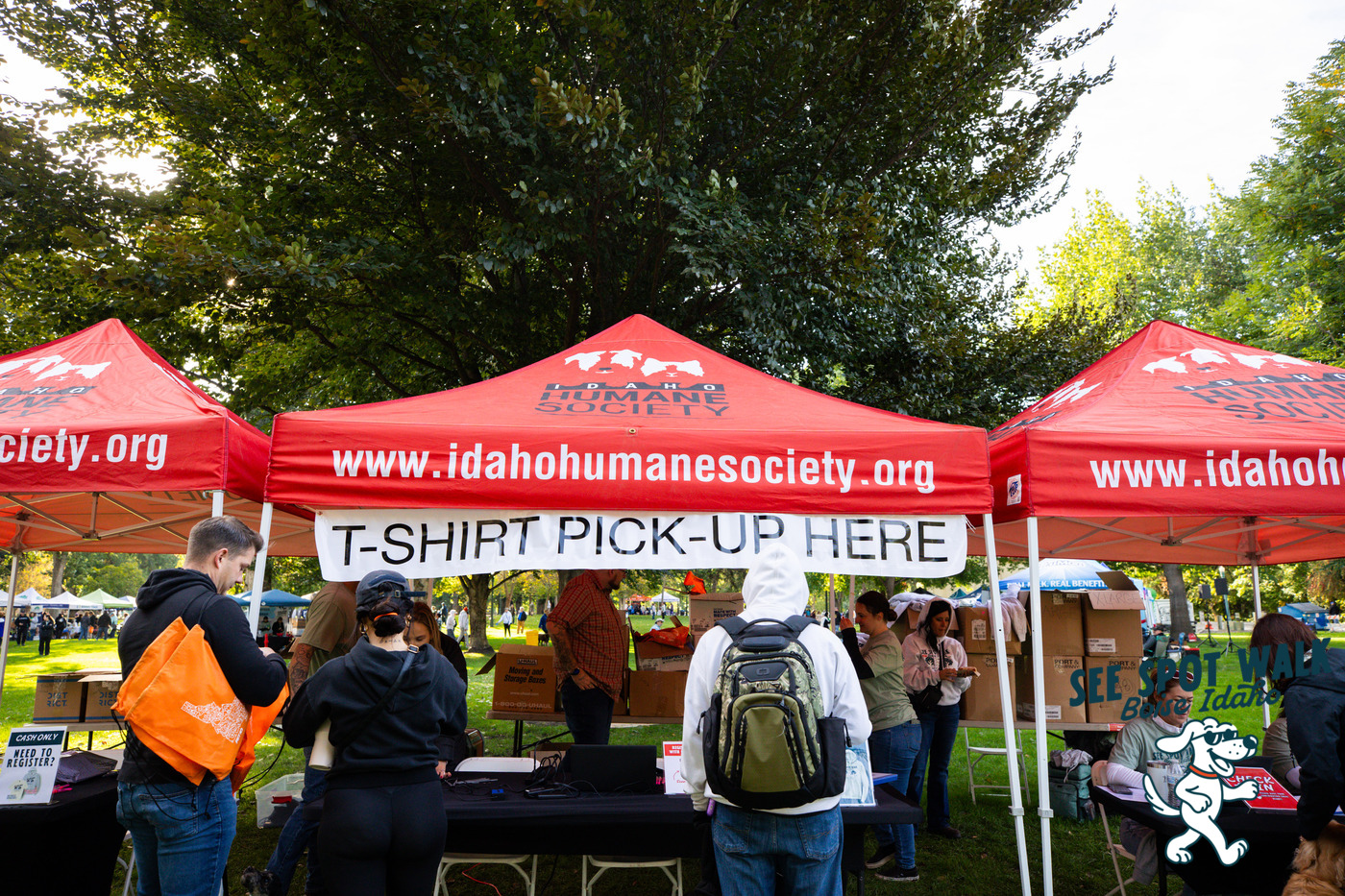
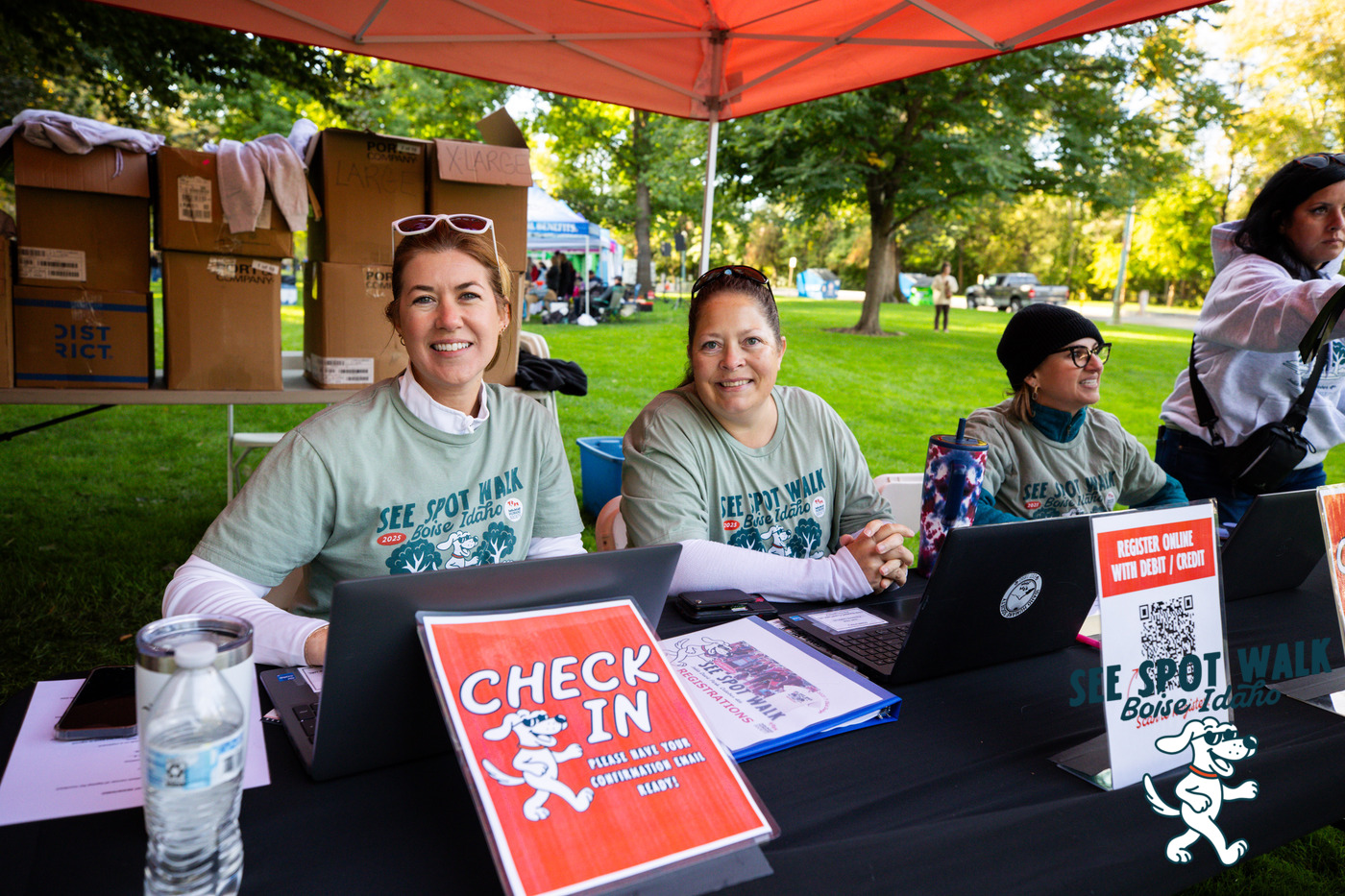
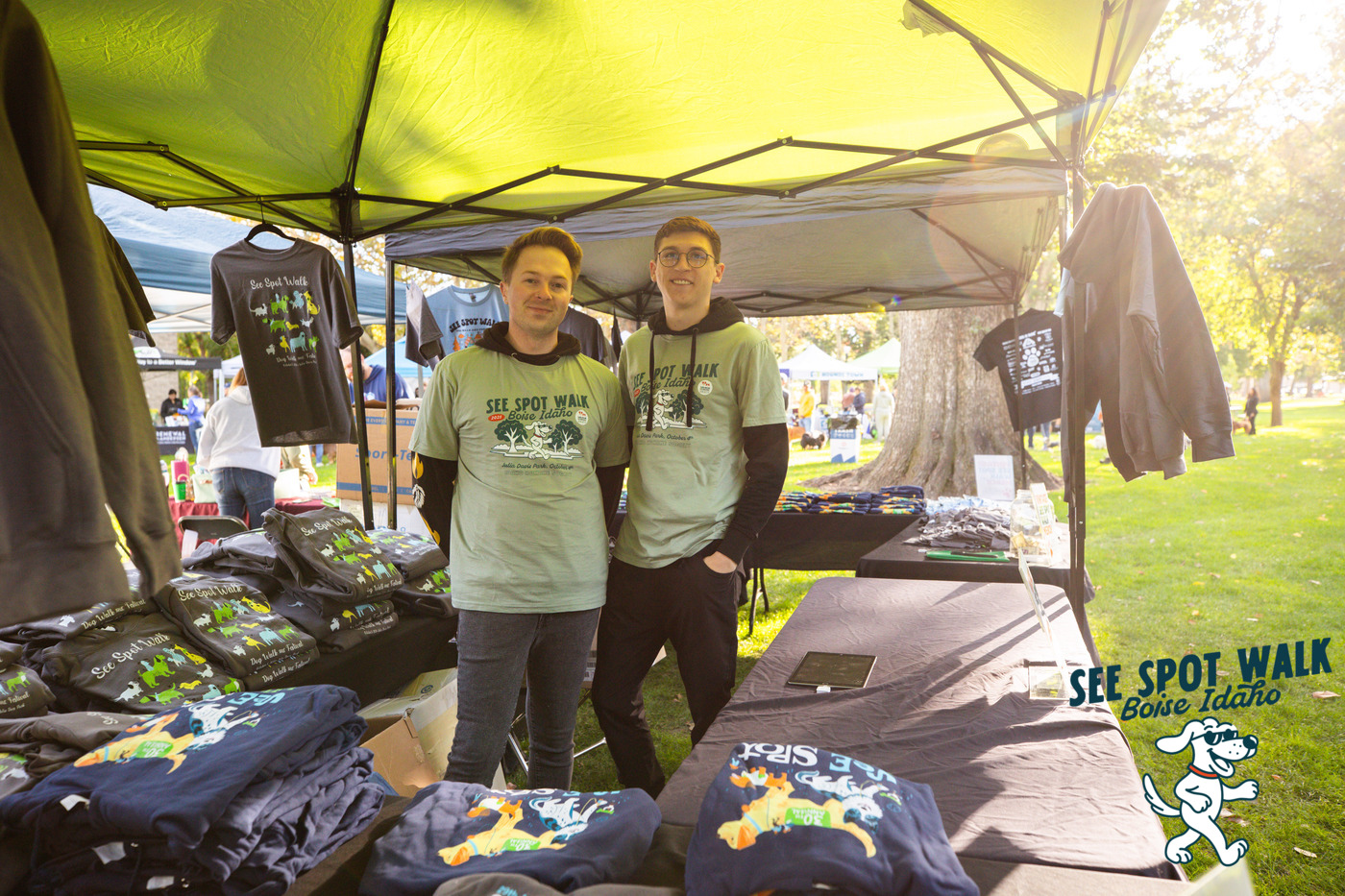
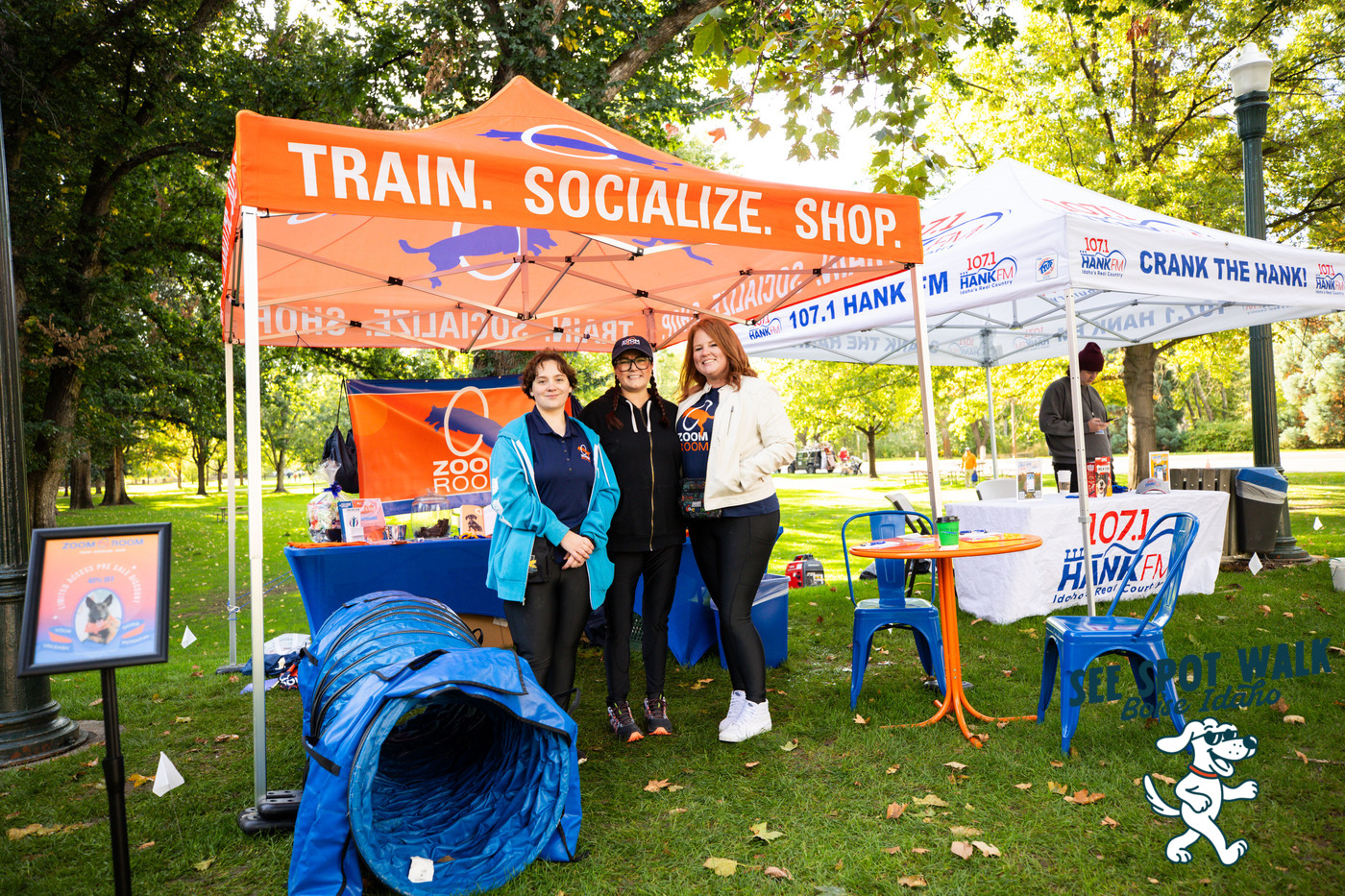
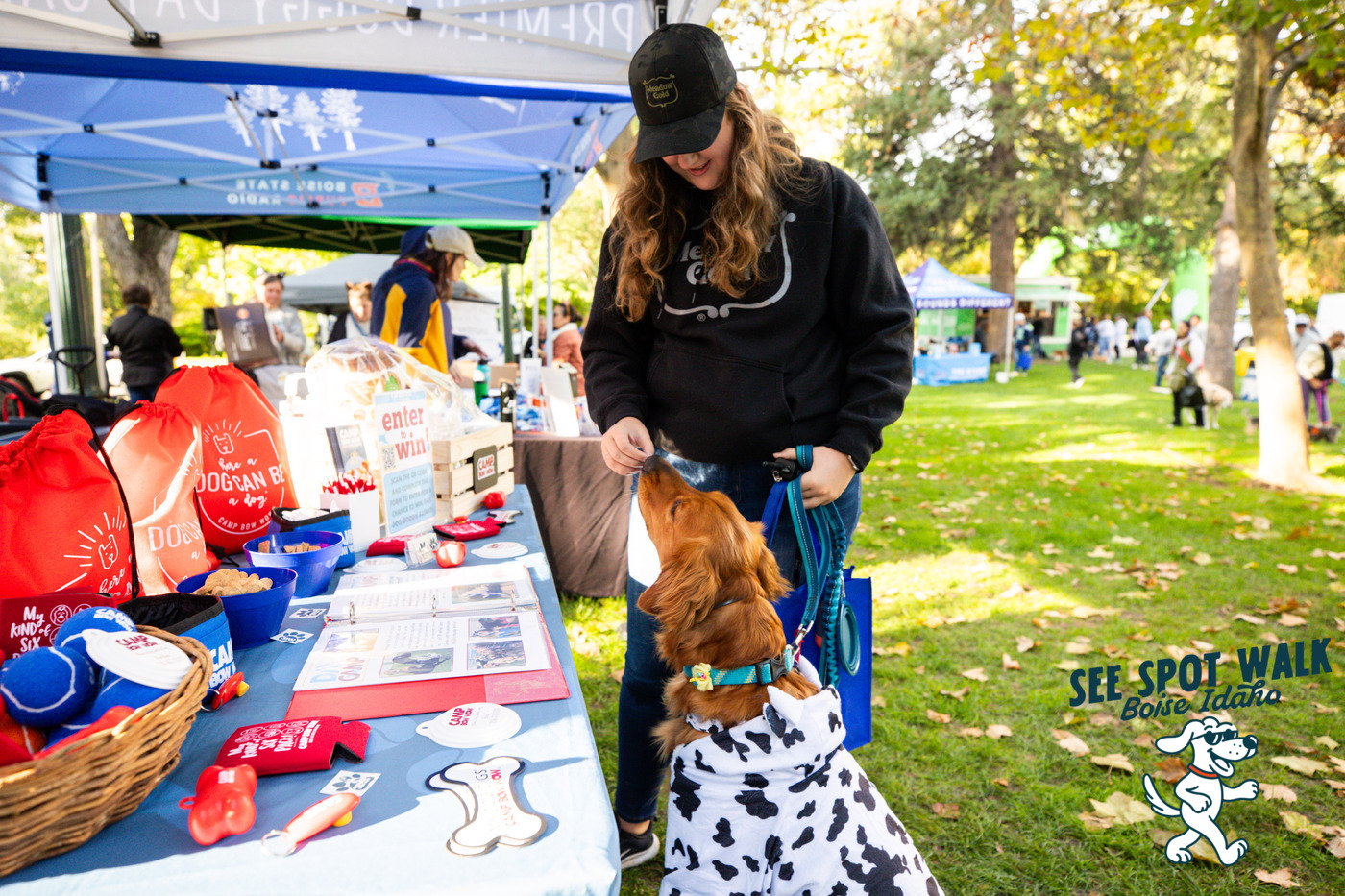
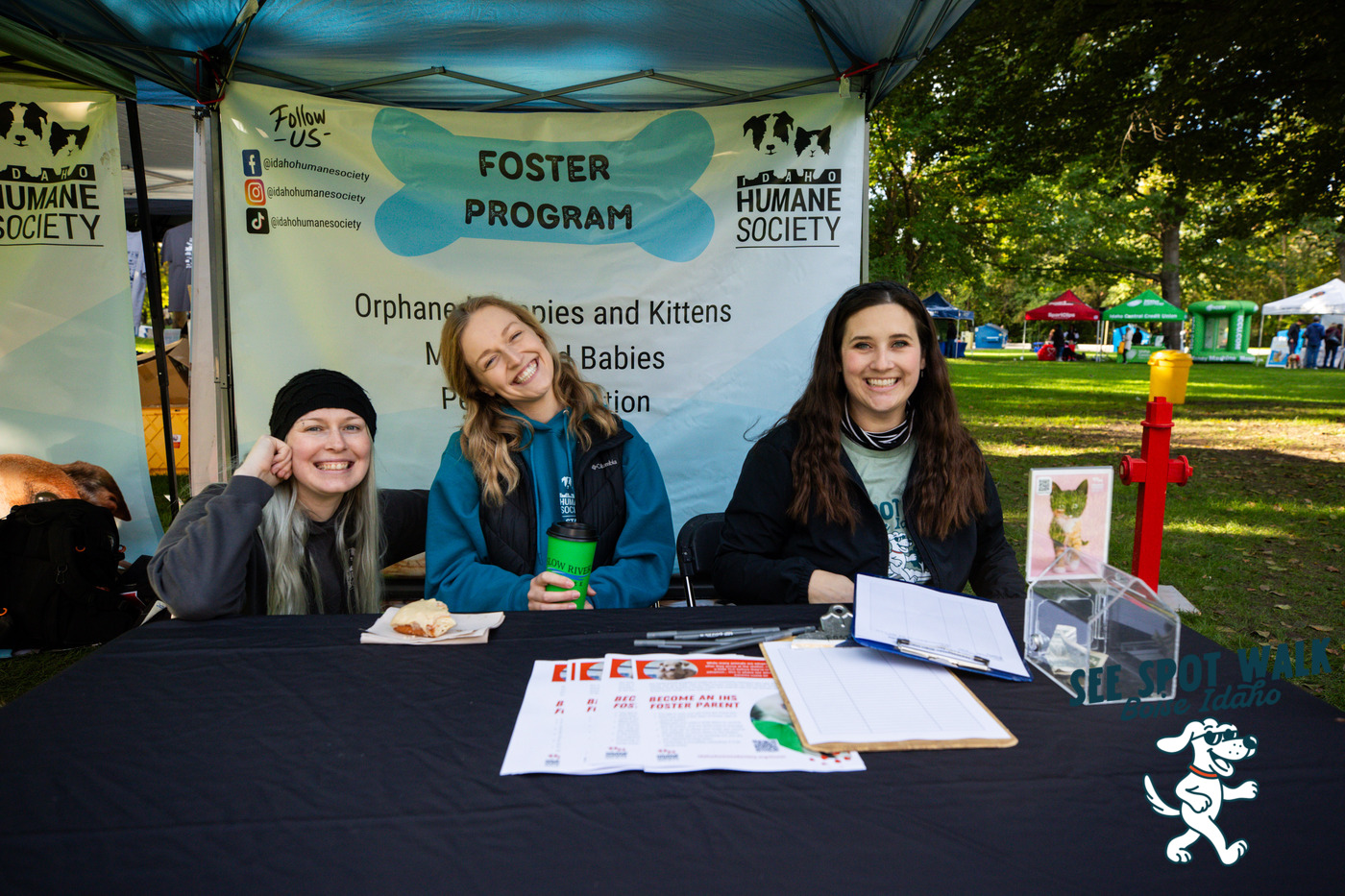
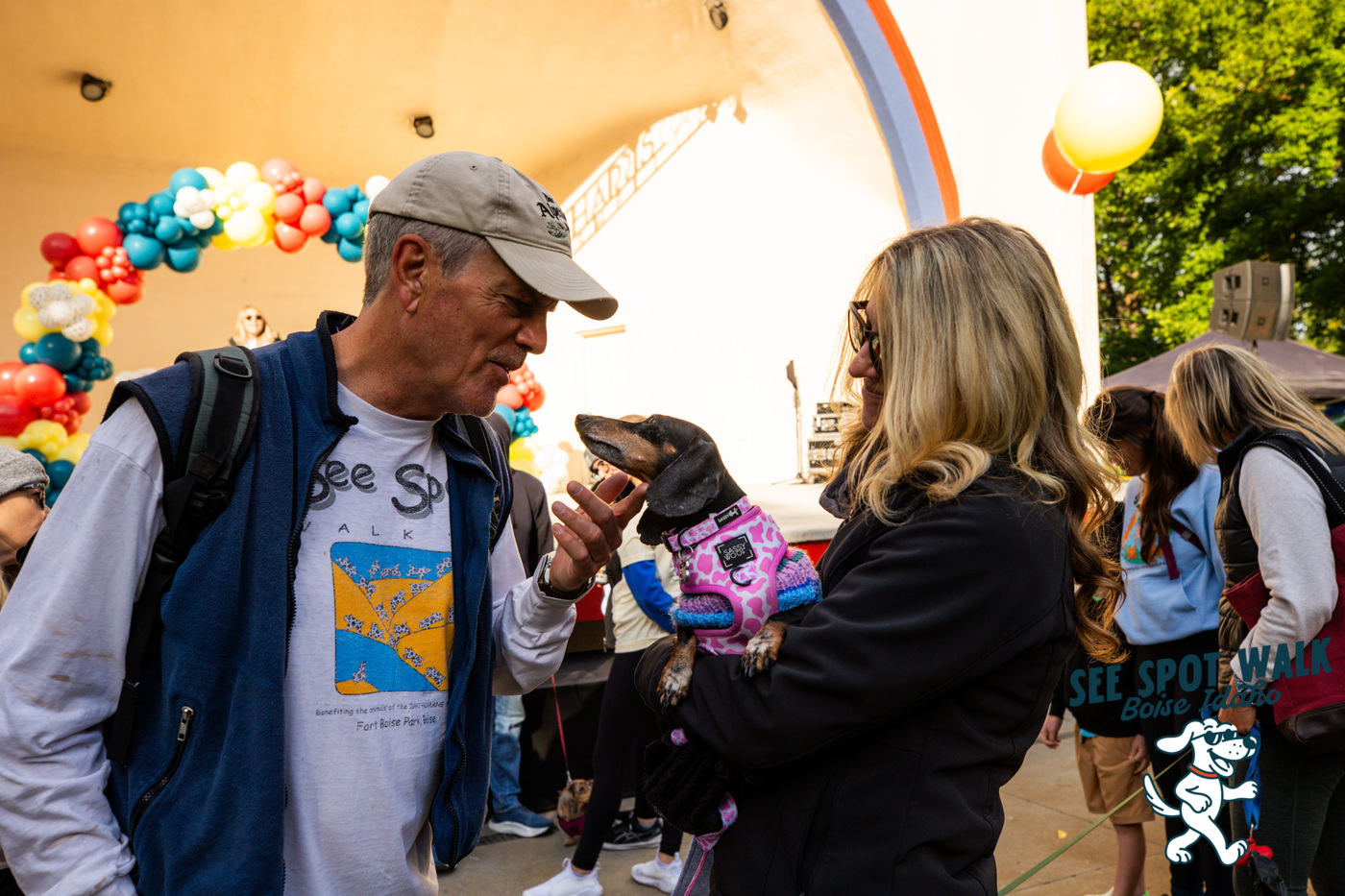
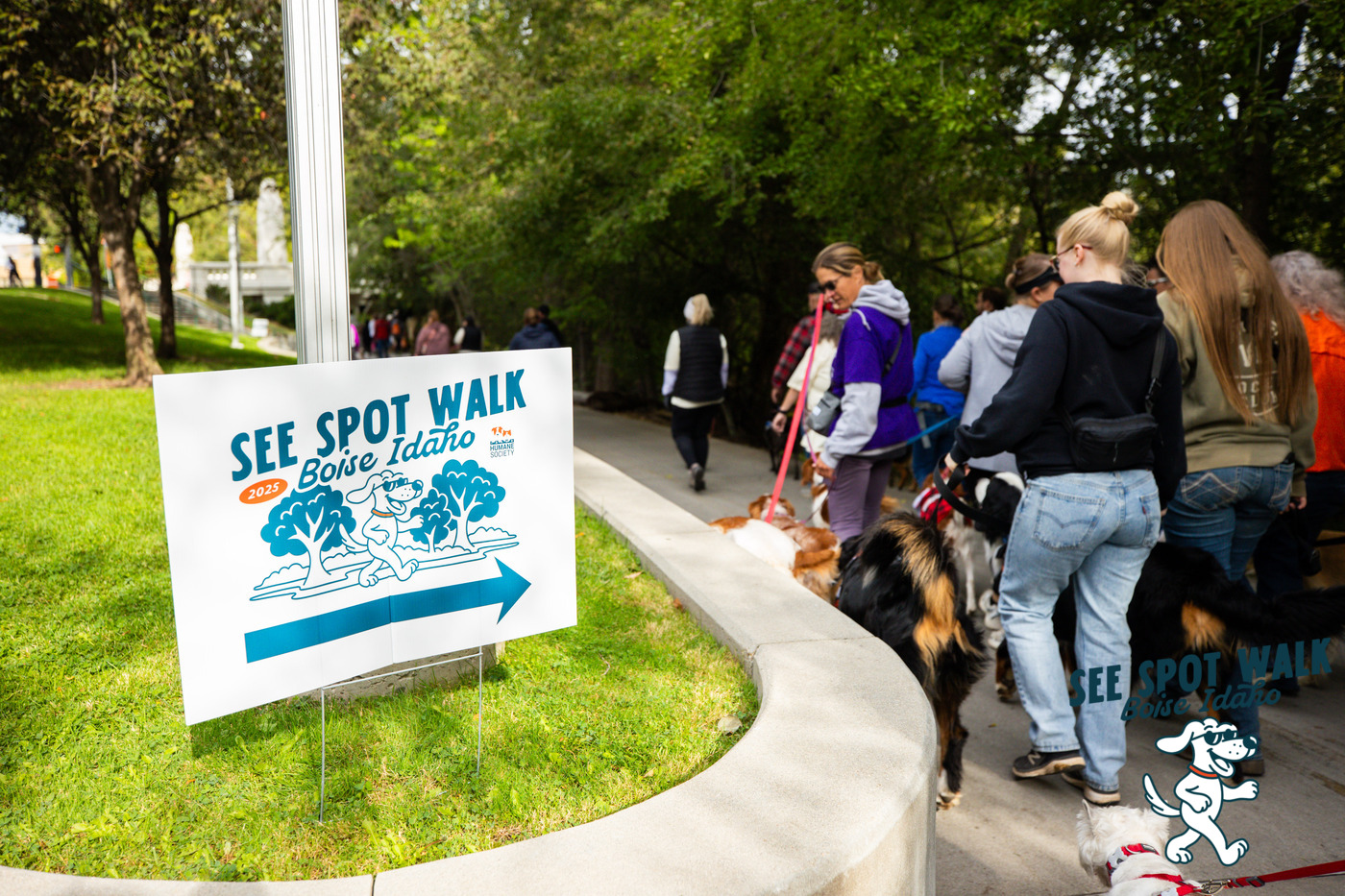
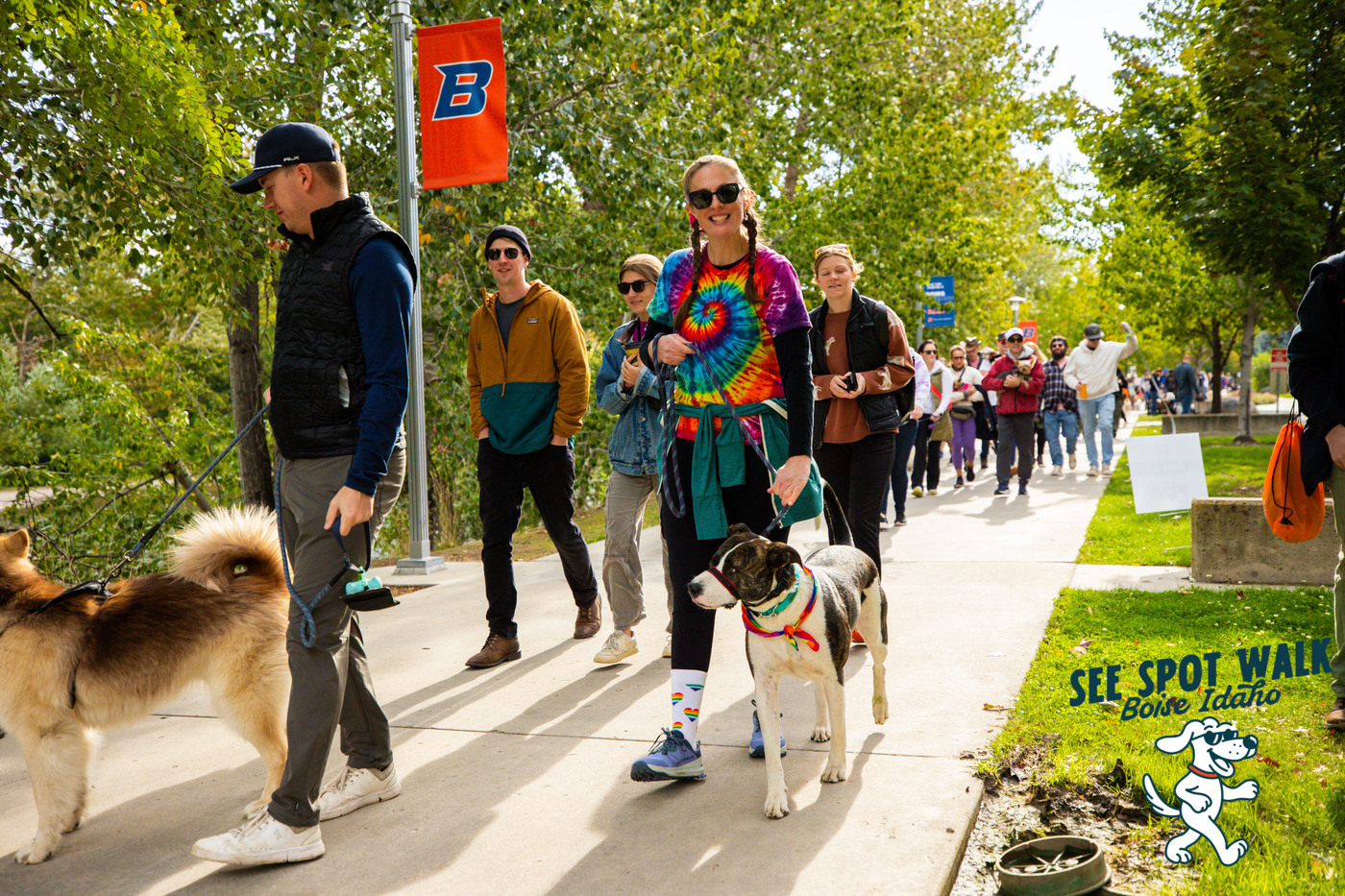
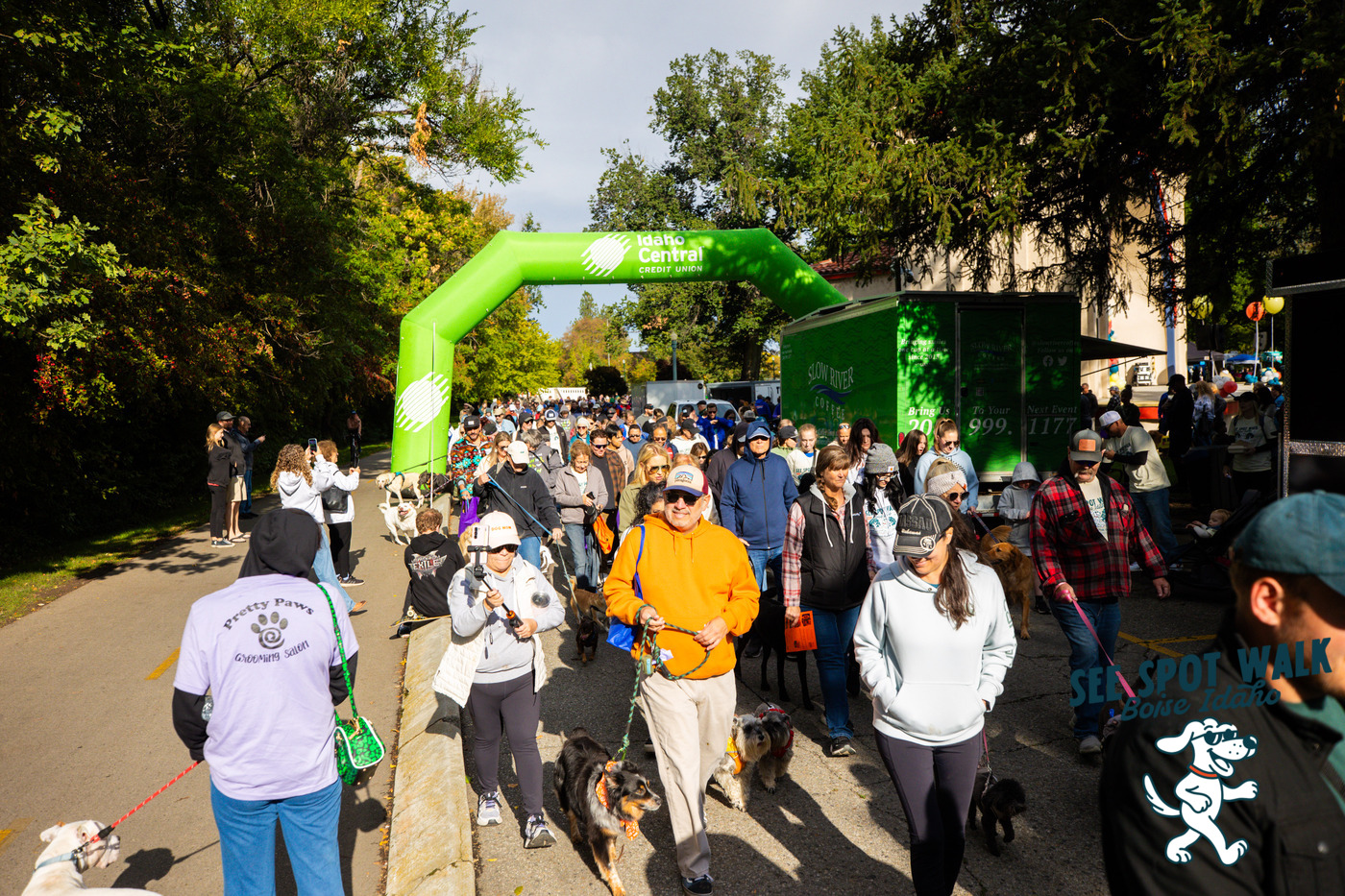
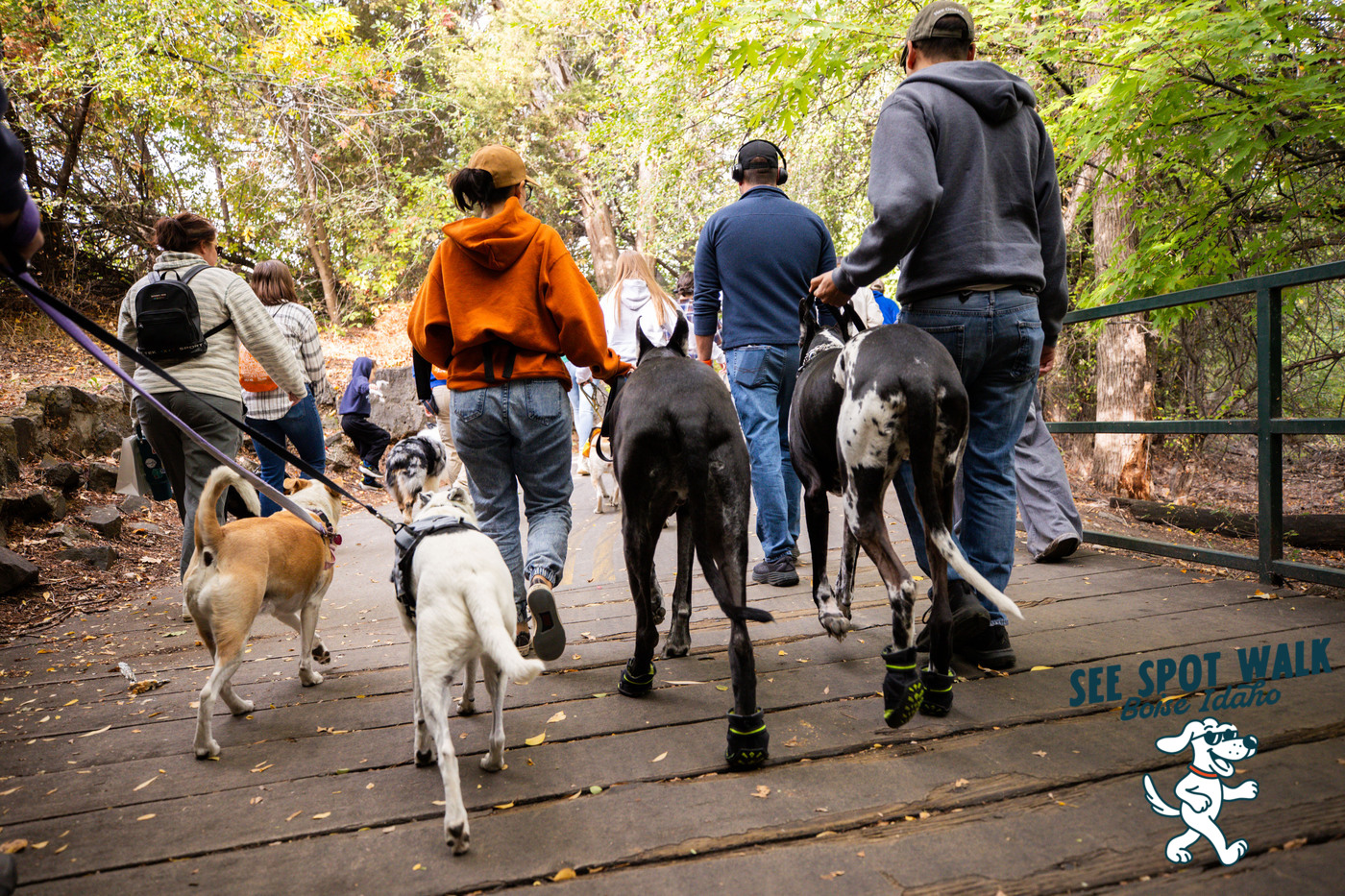
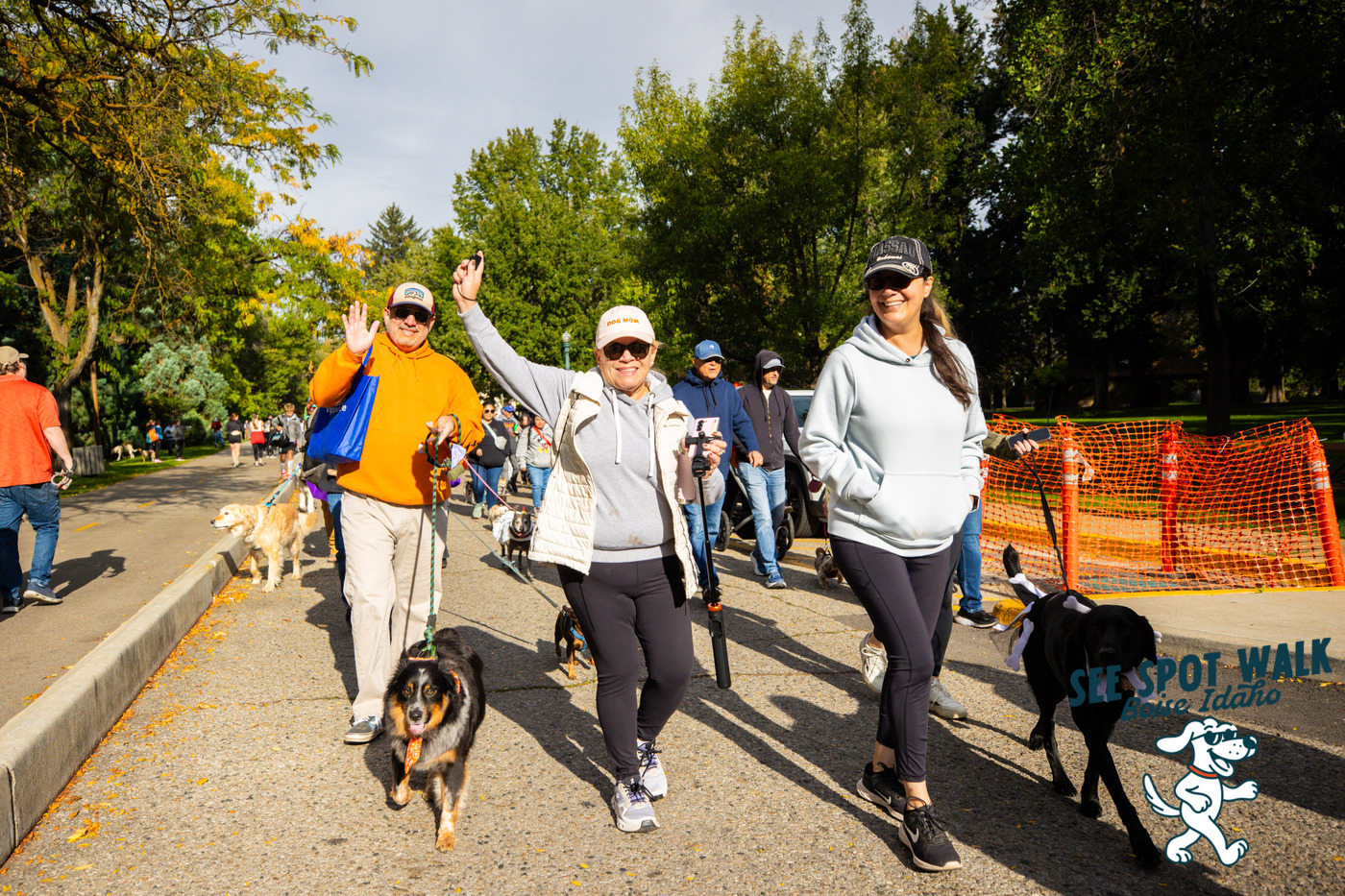
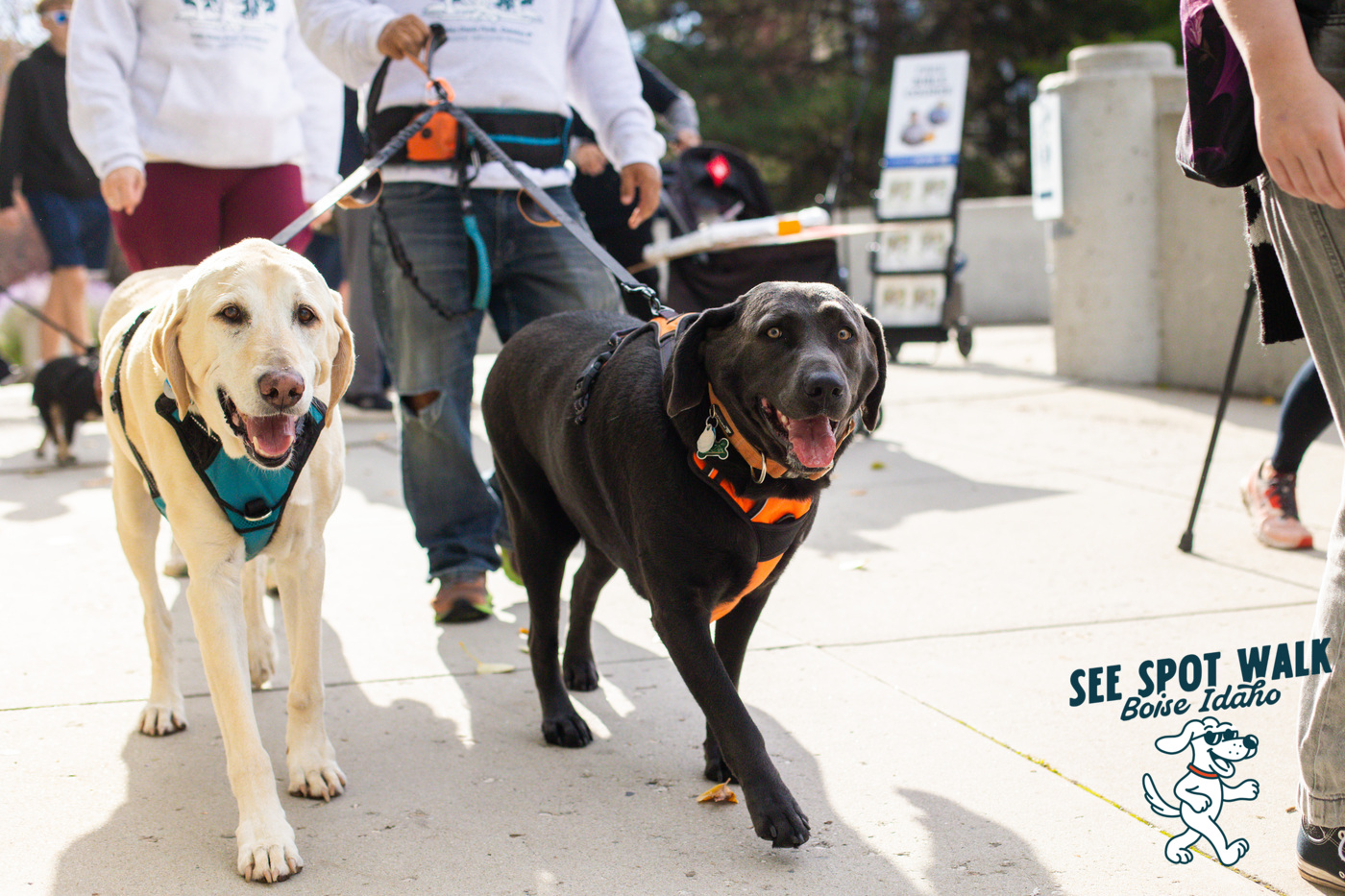
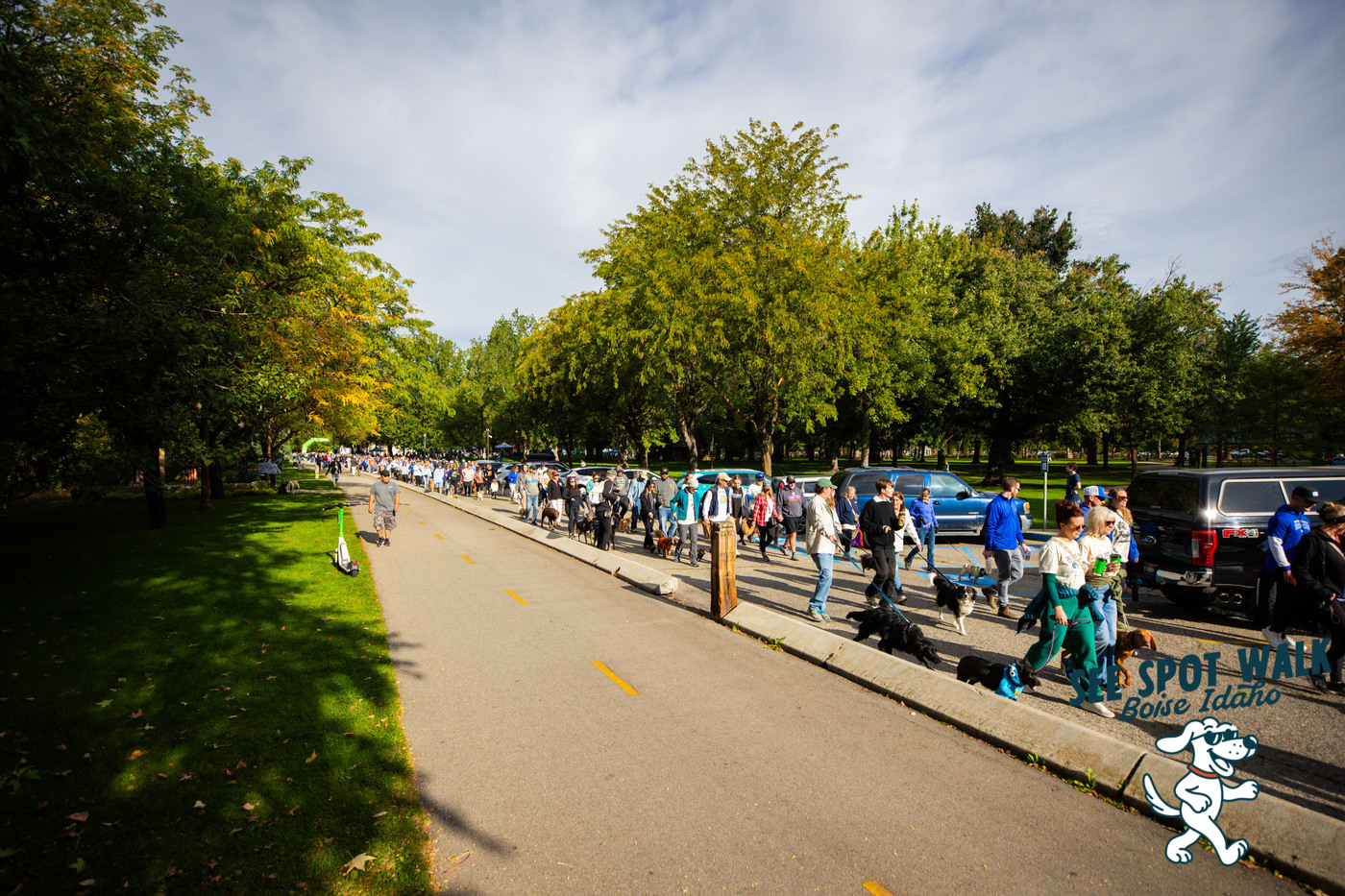
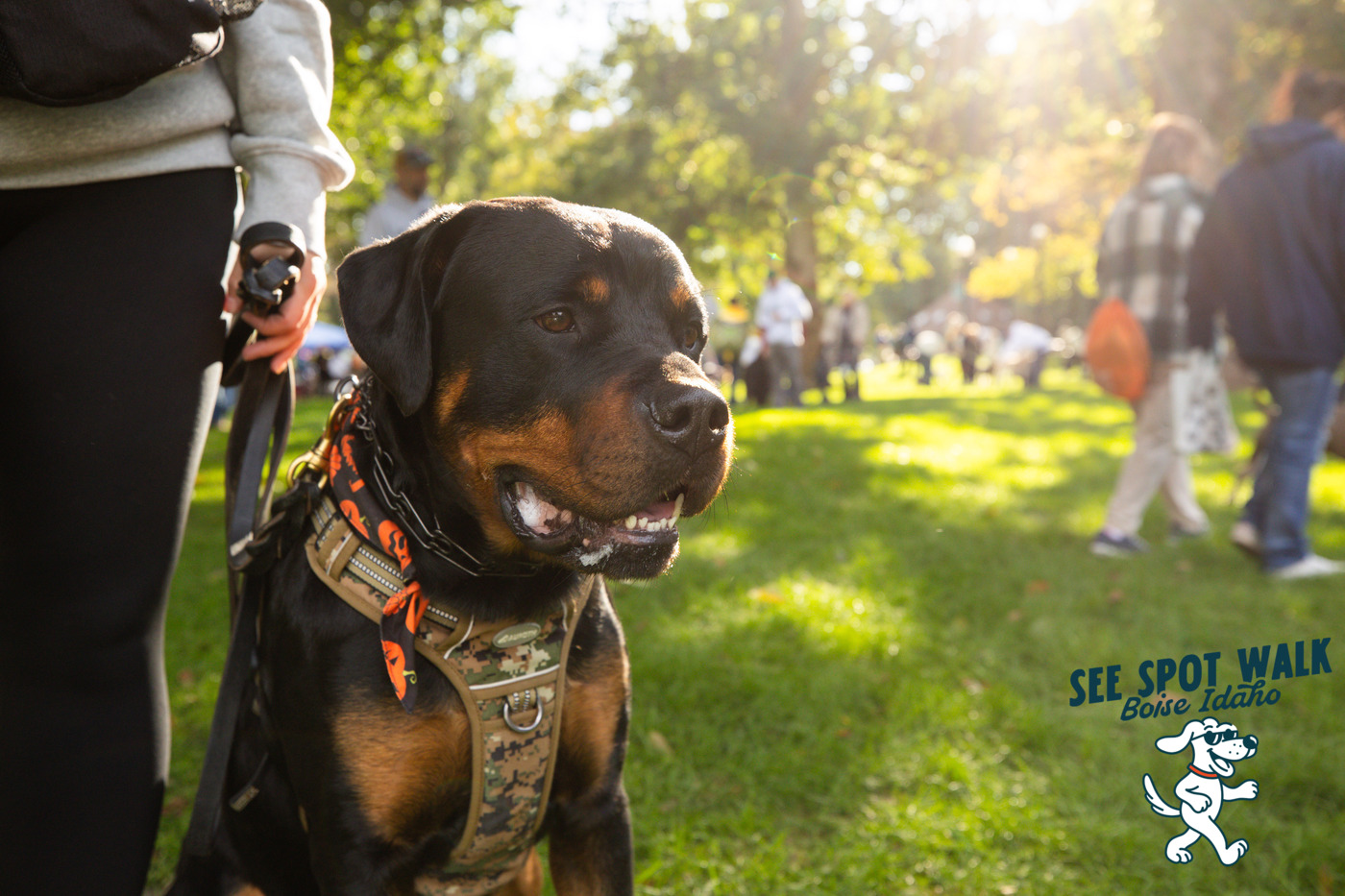
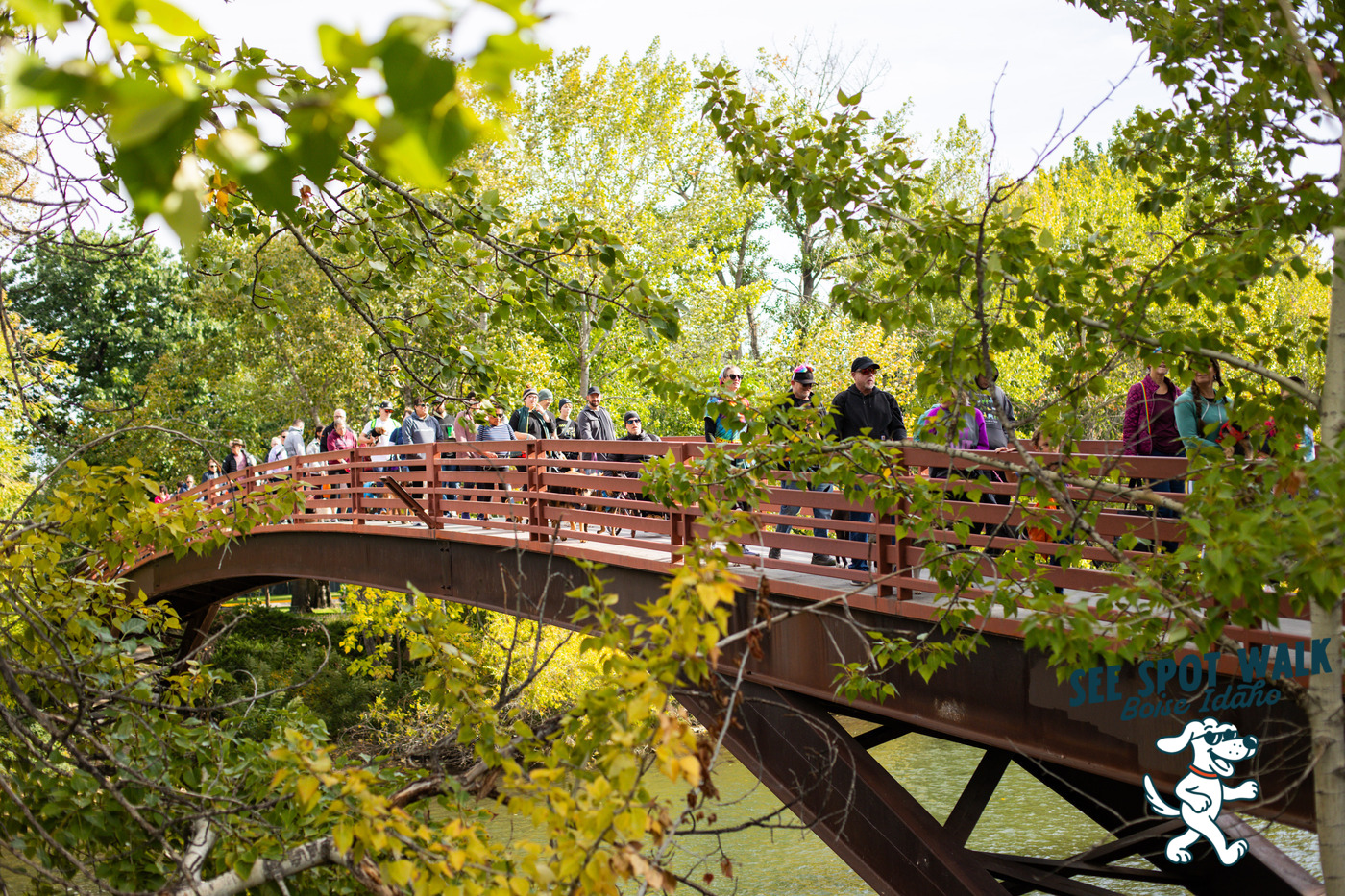
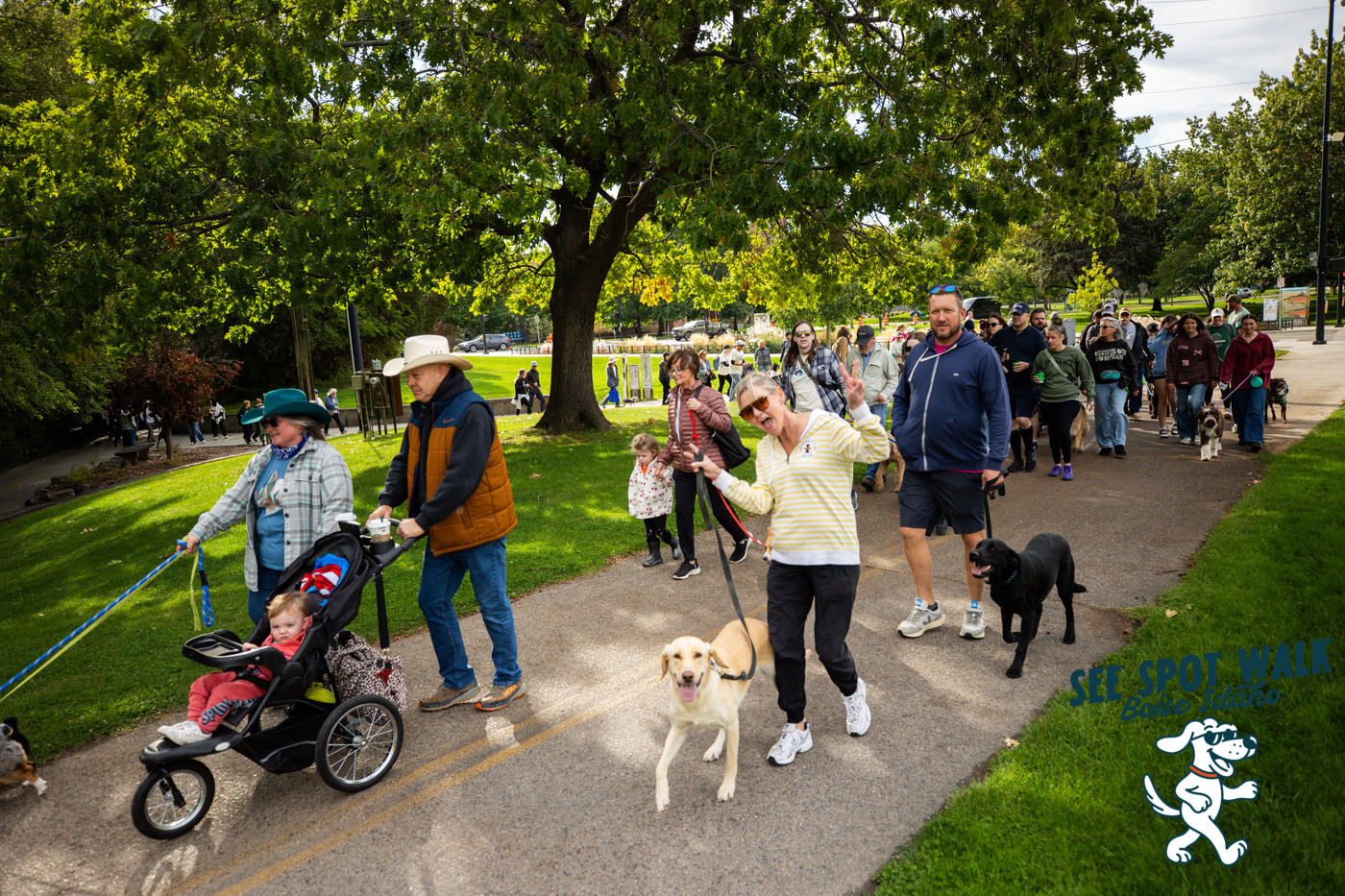
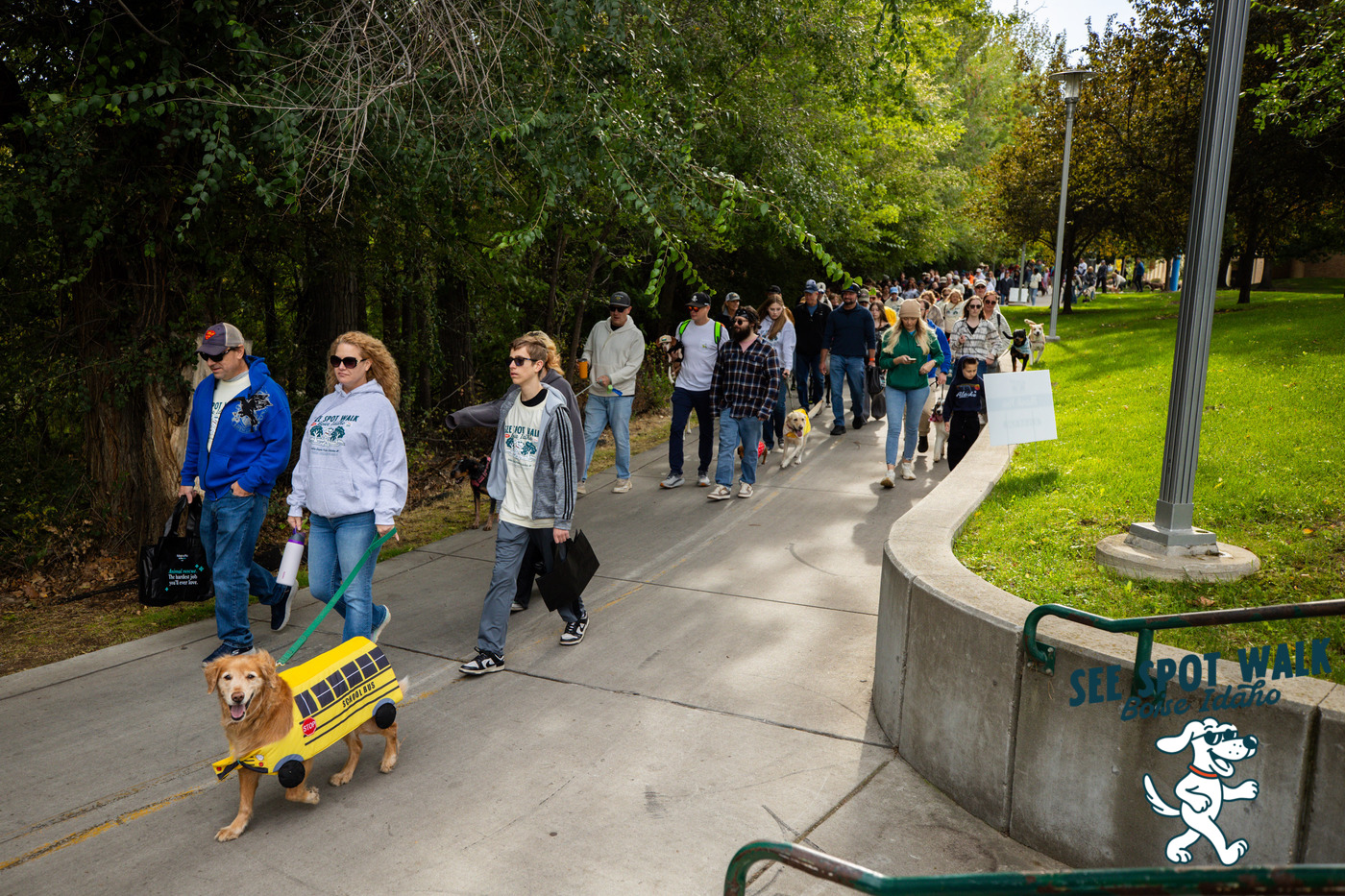
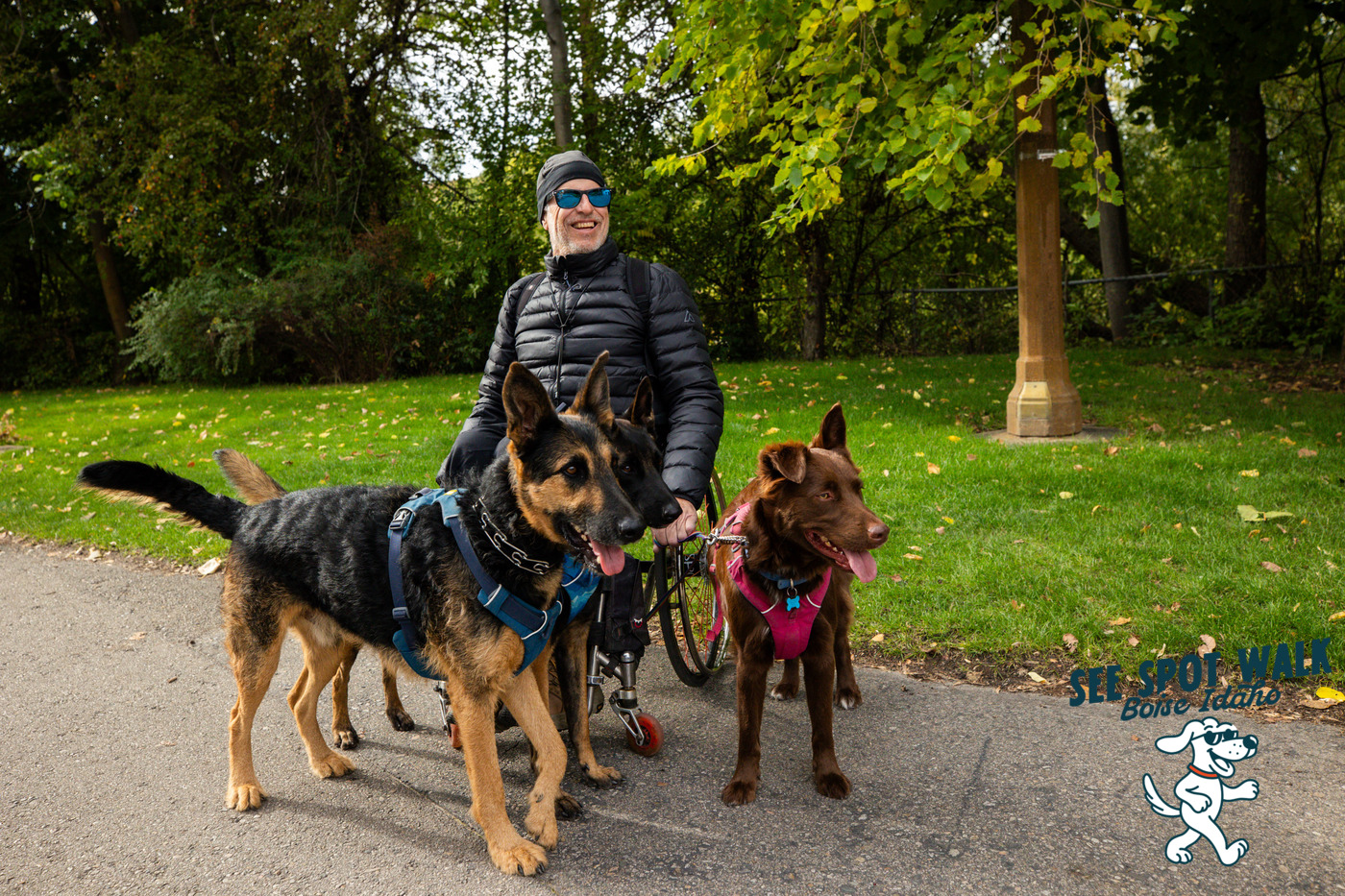
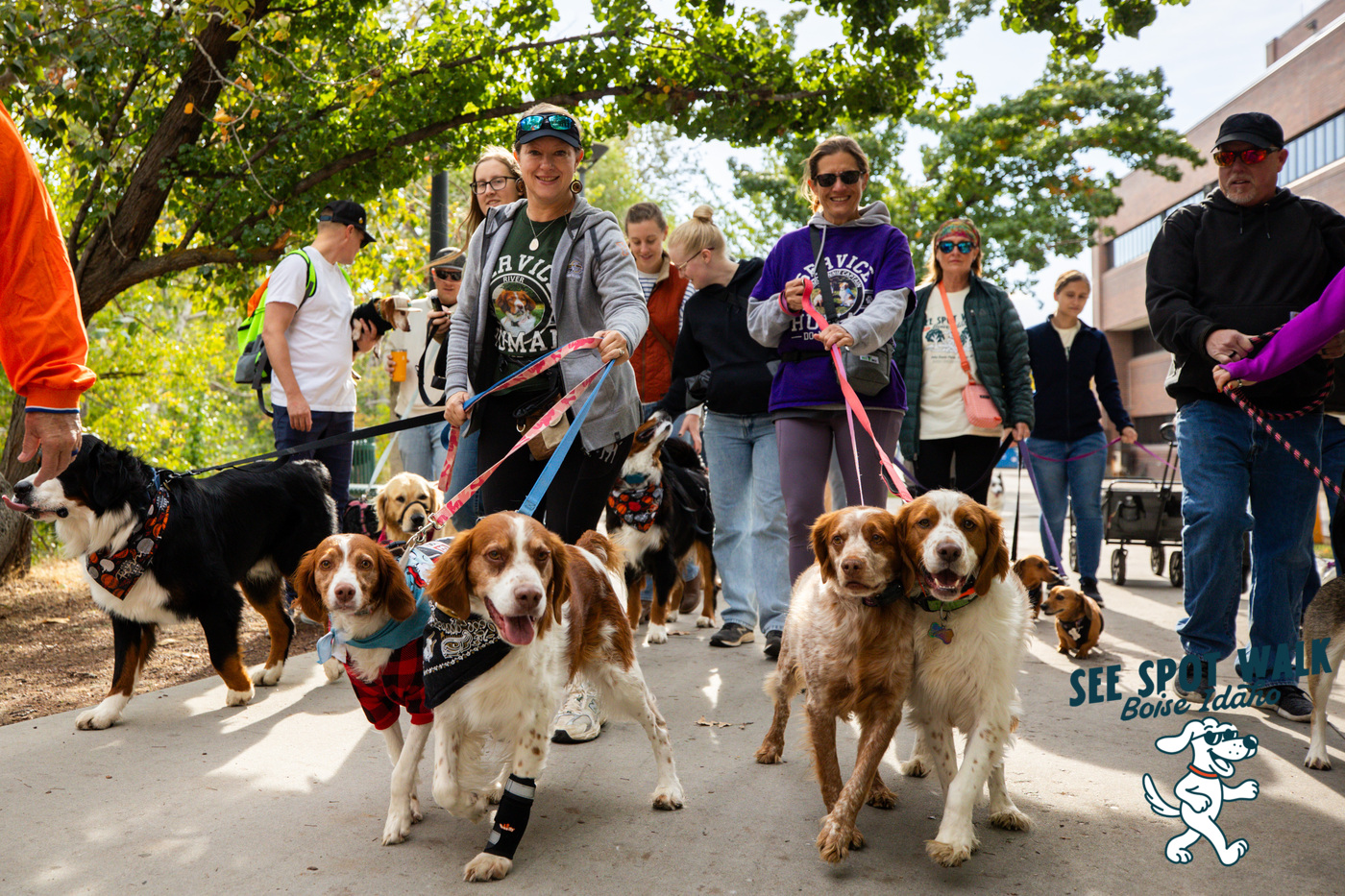
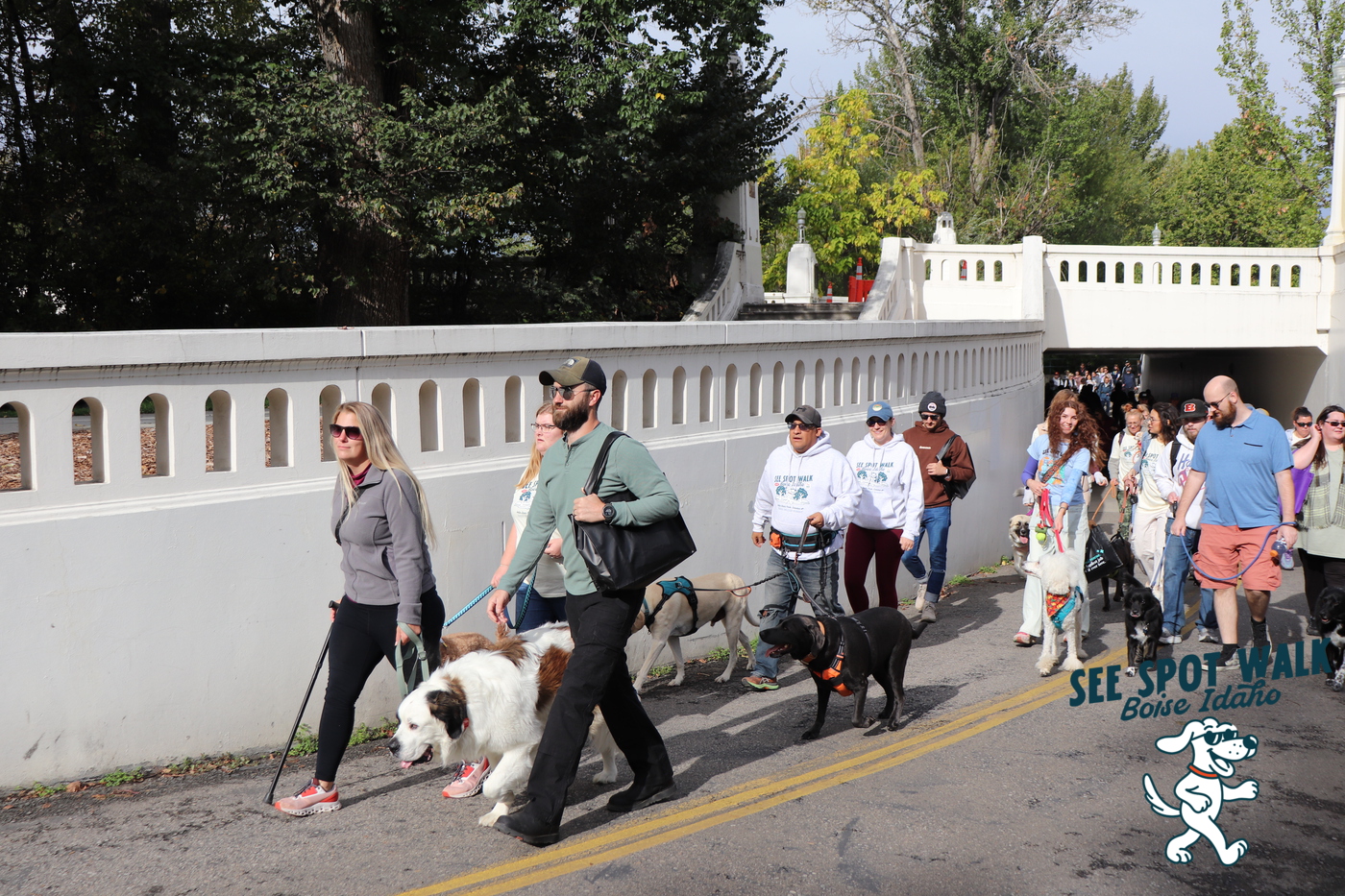
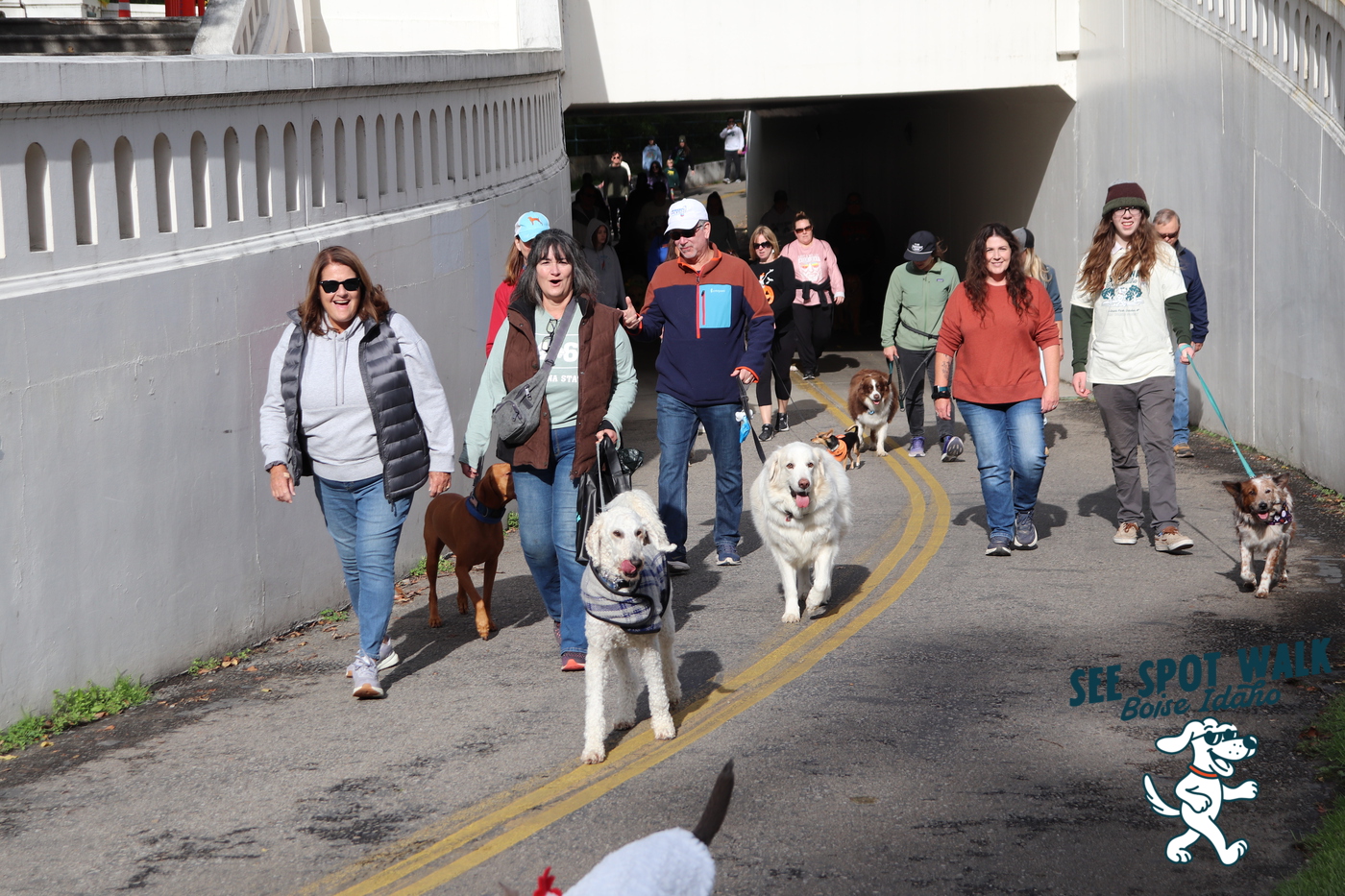
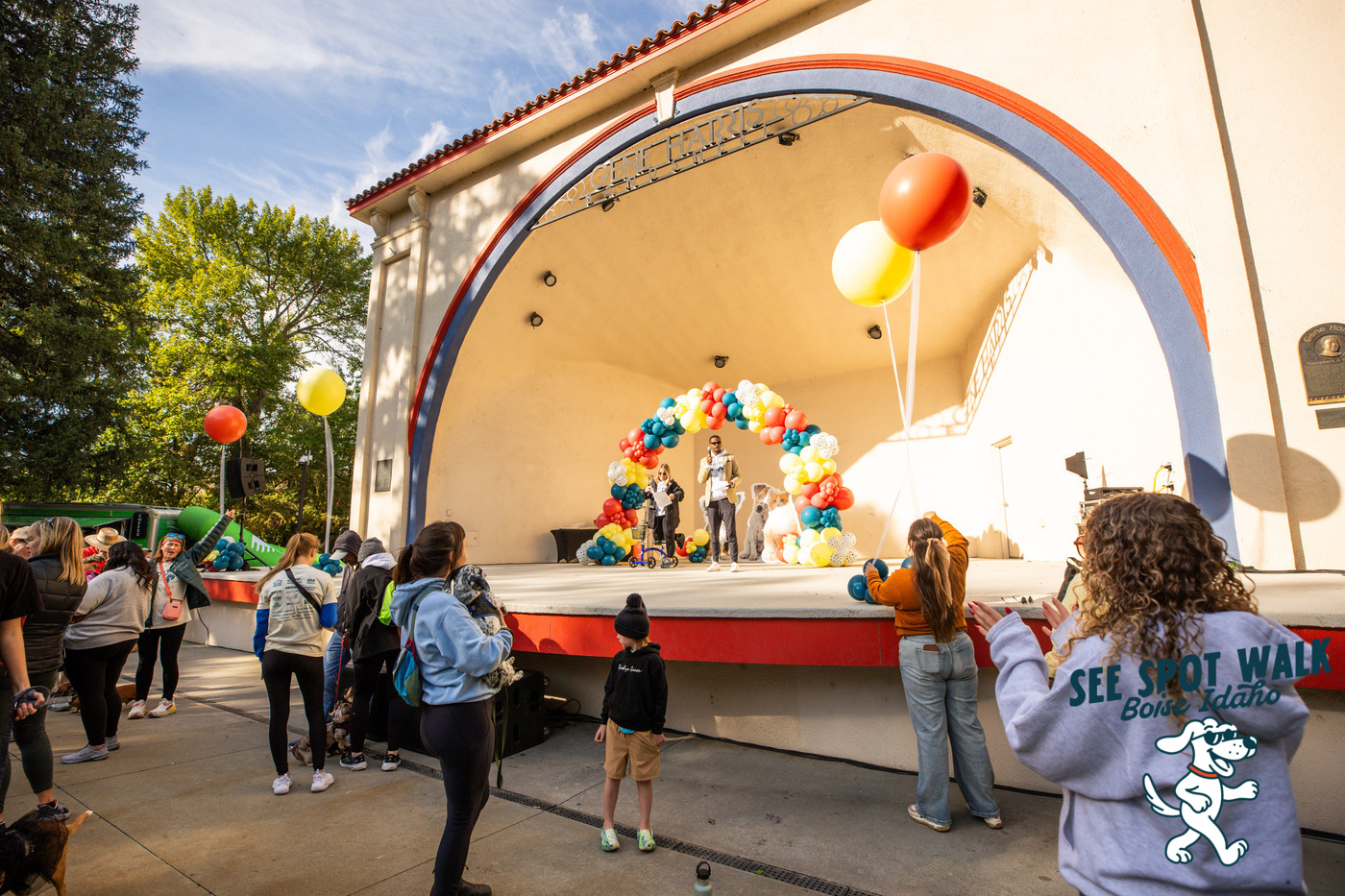
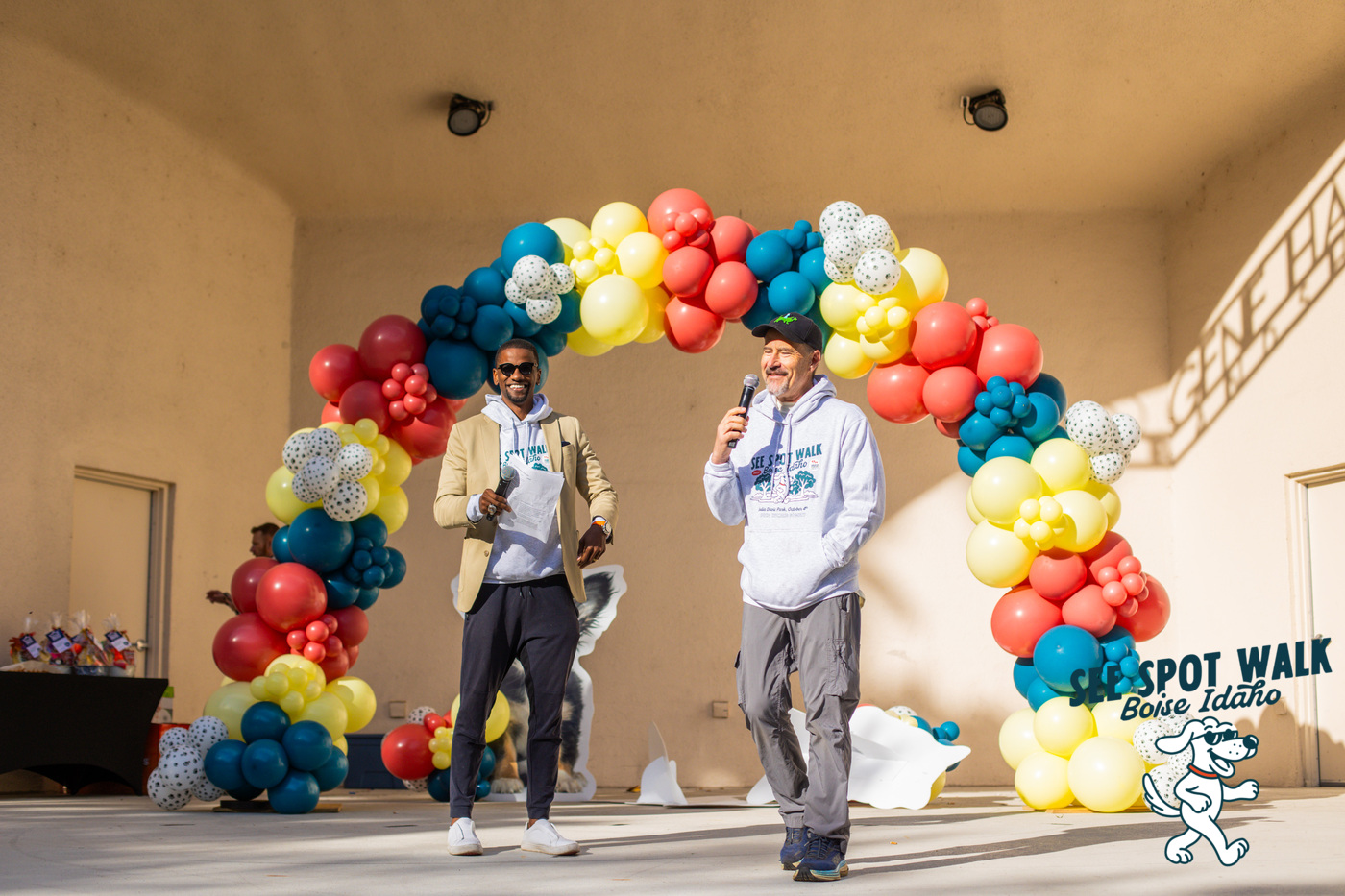
Here in Boise, one of our most beloved community dog events is See Spot Walk, hosted each year by the Idaho Humane Society. It’s a joyful reminder of how powerful it can be when people come together for dogs — exactly the kind of connection Shelly describes when planning a meaningful dog welfare event. With permission from the Idaho Humane Society, I’ve included a small photo gallery below featuring moments from past See Spot Walk events. If you’d like to learn more or support their work, you can visit idahohumanesociety.org or seespotwalk.org.
See Spot walk – Boise Community dog welfare event Photo Gallery