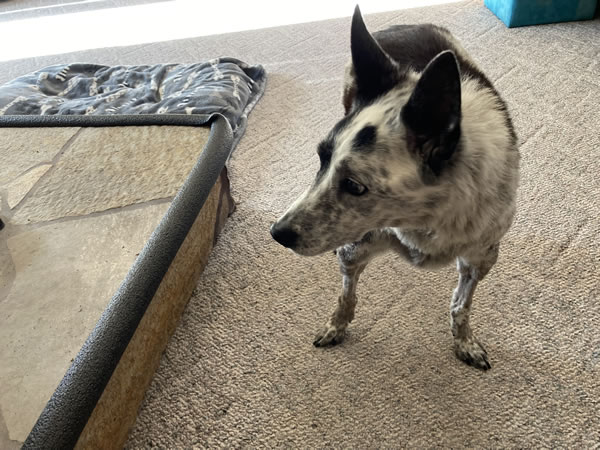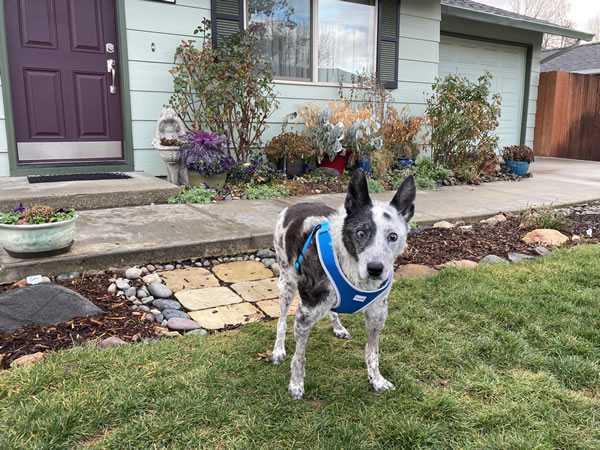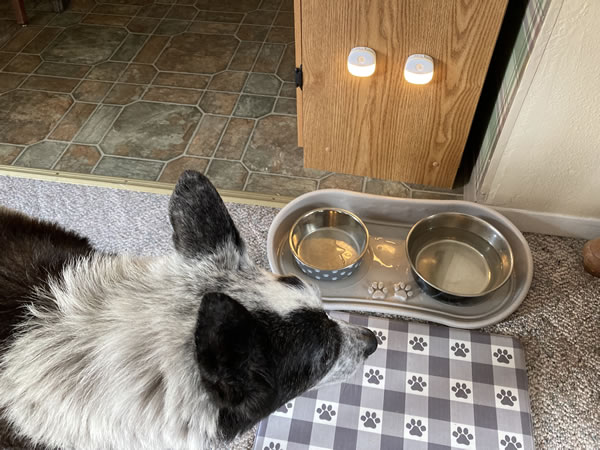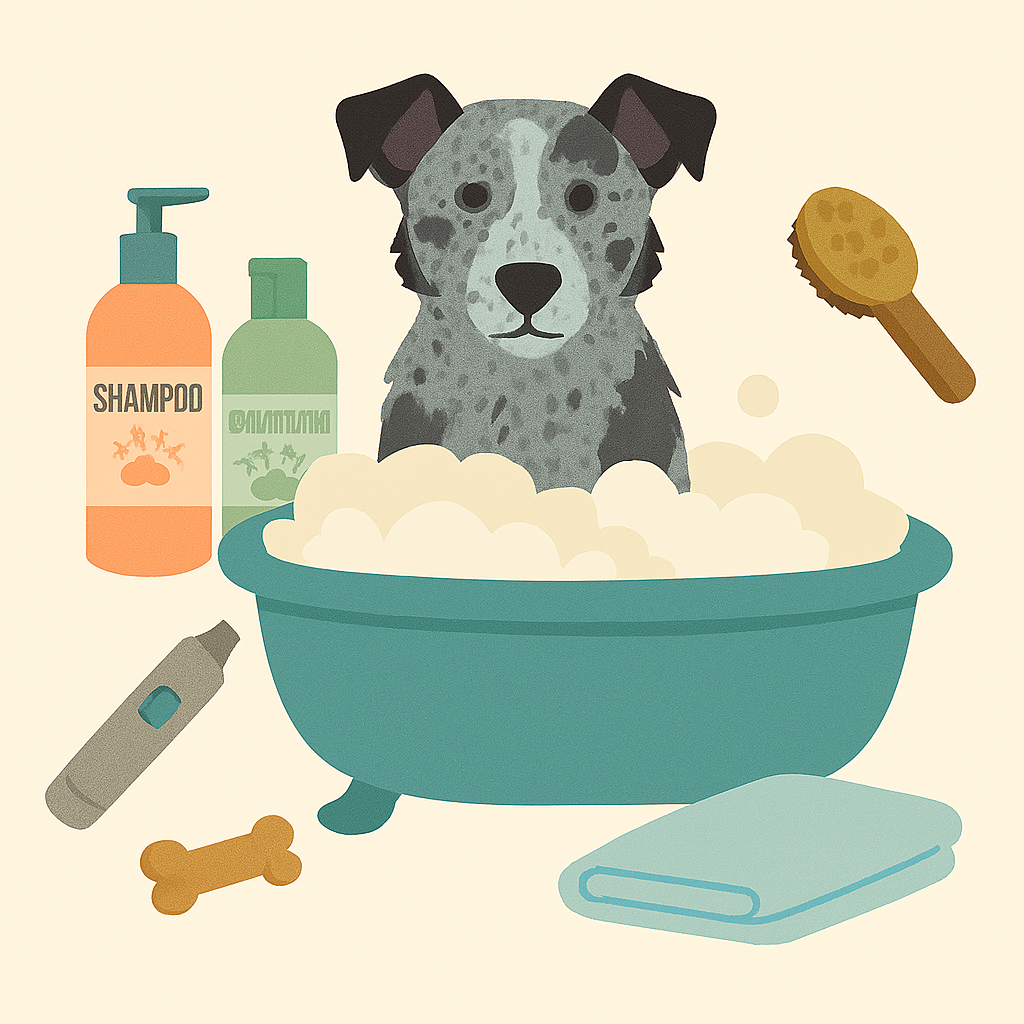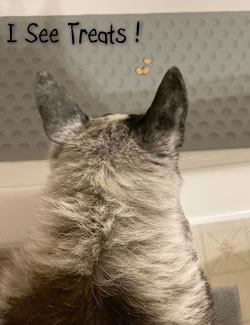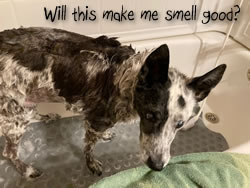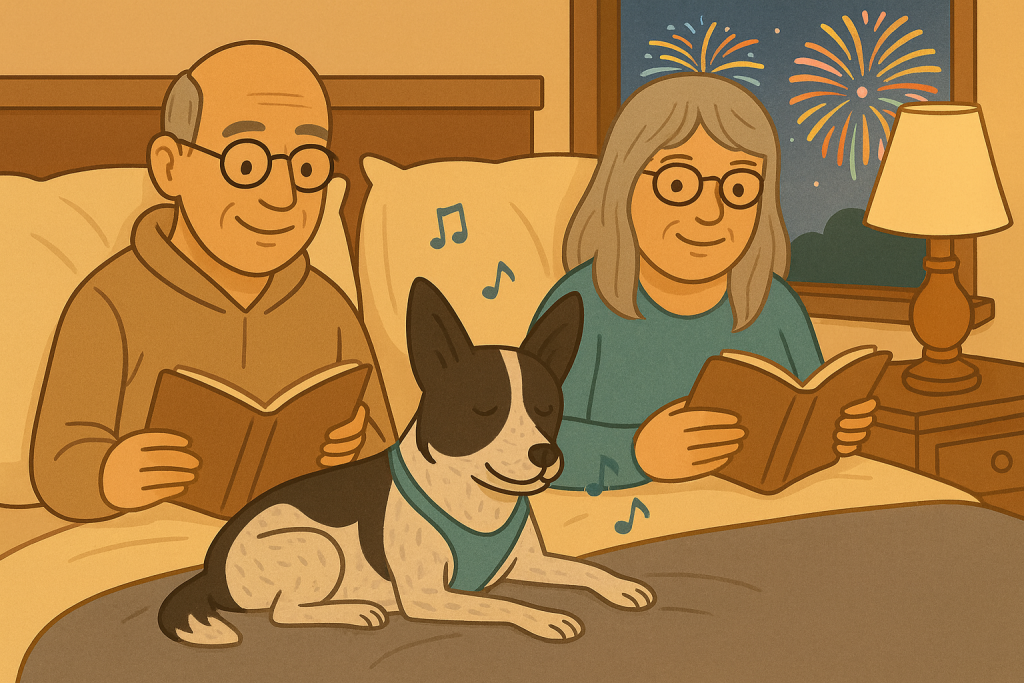
The Rescue Dog That Rescued Us: Blue Belle’s Story

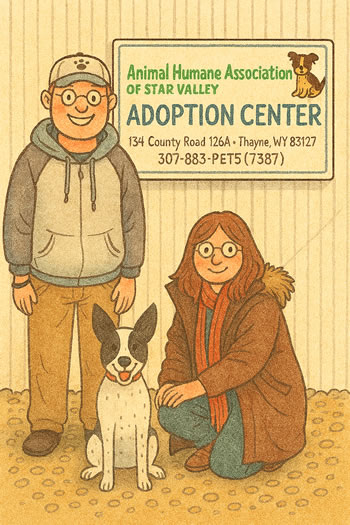
Dog gets adopted from adoption center.

Hello friends,

My name is Blue Belle, and I want to tell you how I found my forever family—and how they found me.

🌟 From Shelter to Second Chances

I wasn’t always called Blue Belle. At the shelter, my name was Bella. I had been rescued from a small-town pound where my future was uncertain. Lucky’s Place, a no-kill shelter in Wyoming, gave me hope. I wagged my stubby tail every time someone walked by, wishing they’d see me for who I was: a loyal, gentle soul ready to love.

One day, a family came in. They were grieving the loss of their beloved Maggie, and their hearts were heavy. At first, they weren’t sure about me—my tail was short, and I wasn’t the puppy they thought they wanted. But when they looked into my eyes, they saw something more: kindness, intelligence, and a spark of joy waiting to shine again.


💕 Healing Hearts Together

When they chose me, I didn’t just get a home—I got a mission. I became their comfort, their laughter, their reminder that love always finds a way back. They say I rescued them as much as they rescued me. And that’s the magic of adoption: it’s not one-sided. It’s a bond that heals both dog and human.


🐶 Why Adoption Matters

My story is just one of thousands. Every year, millions of dogs like me wait in shelters, hoping for a second chance. When you adopt:

  • You save a life—sometimes just in the nick of time.
  • You fight against puppy mills and unethical breeding.
  • You find a true match—dogs of all ages, breeds, and personalities are waiting.
  • You gain more than a pet—you gain a family member who may just rescue you right back.

  A Stubby Tail, A Full Heart

My stubby tail may not have been “perfect,” but it became a symbol of resilience. Every wag is a thank-you to the family who saw beyond appearances and chose love.

So if you’re thinking about adding a furry friend to your life, remember: adoption isn’t just about giving a dog a home. It’s about opening your heart to a story that will change your life forever. 


READ more about how we found the rescue dog that rescued us.

READ how we handle it when our rescue dog got cancer.

AMAZON FINDS

Our dog, Blue Belle, is a cancer survivor. To help us pay for her various medications our family has become Amazon Affiliates. You can click on this AMAZON LINK to find some goodies for your fur family. We appreciate your support.

A Dog’s Perspective – Living With Cancer

With the help of Gemini, Blue Belle shares her story.

Blue Belle Canine Contributor recovers from Cancer surgery.

My Little Bump: A Dog’s Take on My Mast Cell Tumor

Hey there, fellow humans and doggos! It’s me, Blue Belle, your favorite four-legged philosopher and Canine Contributor. Today, I wanted to chat about something that’s been a part of my life for a while now: my little bump.

It started a while ago, just a tiny little thing on my back leg. At first, I didn’t even notice it. I was too busy chasing squirrels (they never see it coming!), getting belly rubs, and napping in sunbeams. My humans, though, they noticed everything. Their fingers started exploring, and their faces got that crinkly, worried look they sometimes get.

Then came the vet visits. Oh, the vet! Not my favorite place, to be honest. All those strange smells, the cold examination table, and the poking and prodding. But my humans were there, holding my paw (or, you know, my head), telling me I was a good girl, so I tried to be brave.

They called it a “mast cell tumor.” Sounds like a fancy dog biscuit, right? But apparently, it’s not. It’s some kind of a “C-word” that makes my humans look extra sad sometimes. From what I can gather, it means there are some cancer cells in my body that are just a little too excited, causing this bump to grow. So, the vet made me go into a deep sleep, cut out the bump, and then I had to visit a specialist. My oncologist vet, Dr. Hume, is extra nice to me. I really like her. My humans say she saved my life because I got really sick and had to stay over night in their hospital for several days. Dr. Hume and my humans didn’t give up on me. I survived to tell this story.

Continue reading

Respectful Renting with a Dog: Etiquette for Tenants

Guest Contributor: Nick Burton
Ourbestdoggo.com

Calm dog looks at you.
Photo by Freepik

Renting with a dog isn’t just about paying the pet deposit, it’s about being a thoughtful neighbor, keeping your lease in good standing, and ensuring your dog stays comfortable and calm. Here’s how to balance your love for your pup with the realities of apartment life.


TL;DR

Keep noise low, clean promptly, follow your lease’s pet rules, and be proactive with neighbors. A steady routine, open communication, and good hygiene prevent complaints and protect your home life.


Top Etiquette Rules

  • Read and follow your pet addendum before move-in.
  • Create a predictable schedule for walks, meals, and downtime.
  • Always pick up after your dog — indoors and out.
  • Introduce your dog to nearby neighbors early.
  • Train your dog to handle alone time quietly (crate or calm space).
  • Use enzymatic cleaners for accidents; avoid cover-up sprays.
  • Keep current documents: vaccinations, ID, insurance.
  • Report any damage promptly — don’t hide it.
  • Respect hallways, elevators, and quiet hours.
  • When moving out, restore the unit’s cleanliness to its original condition.
Continue reading

Strengthen Your Website: Moves That Build Trust, Keep Traffic, and Grow Conversions

Many of our DogBlog followers have invested their time and talents in websites and blogs for dog parents and veterinarian clinics. I recently received a message from Sharon Wagner offering an article about how to strengthen your website. Let’s take a look at her advice.

Guest Contributor: Sharon Wagner

Laptop image
Image via Freepik

When resources are stretched, your website becomes your frontline. It shapes how people judge your business — whether they trust it, stay on it, or act. Clear navigation, fast loading, clean content, and smart structure can tip the scale in your favor. These aren’t bells and whistles. They’re basic survival infrastructure. Do them right, and your site doesn’t just stay afloat — it pulls you forward.

Load Speed Is the First Impression

When someone lands on your website and it lags, you’ve already lost. There’s no second chance. Speed is perception — and in a downturn, perception is everything. Customers are scanning for signs of reliability, professionalism, and ease. Instant load times send the signal that your business is operational, modern, and attentive. Even a one-second delay can spike bounce rates and chip away at the credibility you’ve worked hard to earn. Use this as your first gut check: does your site feel fast, like it’s ready to serve? If not, that’s the first fix.

Know What’s Working Every Week

Data is the gut-check. Don’t fly blind — especially now. Knowing where your traffic comes from, what pages people leave, and what converts best isn’t “advanced.” It’s required. You can log into Google Analytics and start tracking basic signals that tell you what’s working. Check it every Monday. Look for red flags. Spot weird dips. Use it to drive small experiments: move a button, reword a CTA, change an image. That’s how you improve week over week. When you monitor your bounce rate and traffic, you put decision-making back in your hands — not in your gut.

Continue reading

What to Know Before Starting a Veterinary Clinic: Long-Term Thinking for Local Success

Guest Blogger: Nick Burton
https://ourbestdoggo.com

Vet Clinic
Image via Pexels

Opening a veterinary clinic is more than just a business decision — it’s a lifestyle shift, a leadership leap, and a long-haul commitment. It calls for clinical skill, yes, but also business acumen, emotional resilience, and a sharp eye for invisible risk. Too many clinics launch with heart but no scaffolding. And while love for animals is non-negotiable, it won’t keep the lights on. If you’re serious about building a practice that lasts — and doesn’t just survive but grows — here’s what you need to weigh before opening your doors.

Start With the Street, Not the Scalpel

Before you scout equipment, sketch logos, or price out syringes, you need to understand your local terrain. Not just where the nearest dog park is — but what types of pet owners dominate your zip code, what they spend, and what they expect. Market gaps often live where expectations and services misalign. Instead of guessing, dig into resources that outline understanding local pet-owner demographics. Knowing if your region skews toward working professionals, retirees with aging pets, or first-time millennial adopters changes everything: hours, pricing, care tiers. Start with data. Let it shape your service DNA.

Use Tools That Remove Friction From the Start

One of the most underestimated factors in a clinic’s day-to-day chaos is paperwork. Intake forms, medical histories, post-op instructions — all piling up. The fix isn’t fancy tech. It’s intelligent formatting. Incorporating best practices to create fillable PDFs lets you digitize intake processes, streamline consent documentation, and reduce errors from illegible handwriting. It’s not about going paperless for the sake of it — it’s about reducing patient lag, accelerating front-desk workflows, and avoiding lost information that could impact care quality.

Continue reading

Dog Powered Scooter or Trike

Updated February 2026: If you’re interested in the latest version of the dog powered scooter, I’ve posted a new update with photos and details straight from the inventor. You can find it here: Update: A Closer Look at the Dog‑Powered Scooter — With New Photos From the Inventor

Dog Powered Scooter Website

dogpoweredscooter.com

I have seen people riding their bike holding on to a dog leash with their dog happily running along side their owner. I have always thought “that is dangerous”. Sure, the dog is out for a run, but how safe is it?

I received an email from a man in Oregon, Mark Schuette. He has invented an awesome way for your dog to go for a run with you, a dog powered scooter or a dog powered recumbent trike. Mark says it is best for medium to large sized high drive athletic dogs. It is also appropriate for blind and deaf dogs. Mark has also done a few trikes for handicapped people and wounded war veterans with service dogs.