The Sky Is Angry, But I’ve Got Tunes: A Dog’s Fireworks Strategy

Understanding Dog Fireworks Anxiety

If your pup struggles with dog fireworks anxiety, you’re not alone. Even confident dogs can panic when the sky starts cracking open with sound. Helping dogs with fireworks anxiety is something every pet parent can learn.

A Blog Post by Blue Belle the Very Brave (and Very Cute) Dog

Before we let Blue Belle take over the keyboard, here’s a little context from her humans. She’s been part of our family for many years — a senior pup, a cancer survivor, and the bravest little soul we know. But if there’s one thing she has never made peace with, it’s fireworks. Over the years, we’ve helped her through the booms and crackles with gentle support and natural remedies like Rescue Remedy, recommended by our vet. This year, we’re adding something new to her comfort toolkit: calming music. And in true Blue Belle fashion, she has a lot to say about it.


Hello, friends. It’s me — Blue Belle.
Professional snuggler. Treat connoisseur. And, apparently, now a blogger. I know. I contain many talents. For more about Blue Belle’s journey, you can read her adoption story here.

Dog with fireworks anxiety listening to calming music.

Today I want to talk about something important: FIREWORKS. Or as I like to call them: The Sky Is Angry And Nobody Warned Me.

Dog Fireworks Anxiety

Every year, humans gather to watch bright explosions and say things like “Ooooh!” and “Aaaah!” Meanwhile, I’m wishing we had a coffee table I could hide under and wondering if we should evacuate.

But this year, my humans tried something new: relaxing music for dogs.

🎧 “Blue Belle, does the music actually help?”And I have thoughts.

Short answer: Yes… mostly. Long answer: Let me explain, because I’m a dog with nuance.

When the fireworks start, the booms feel big and unpredictable. They make my heart race and my paws sweat (don’t judge me). But when my humans turn on calming music — the kind with soft piano, gentle whooshing sounds, and absolutely zero barking — something interesting happens. At least I hope so, this is the first year we will give this a try.

The scary noises don’t feel as sharp. The room feels safer. And I can focus on the steady, soothing sounds instead of the chaos outside. (That’s what they tell me.)

It’s like having a warm blanket for my ears.

Continue reading

Pets With Anxiety: How to Help Before, During, and After a Move

Guest Writer: Sarah Hollenbeck

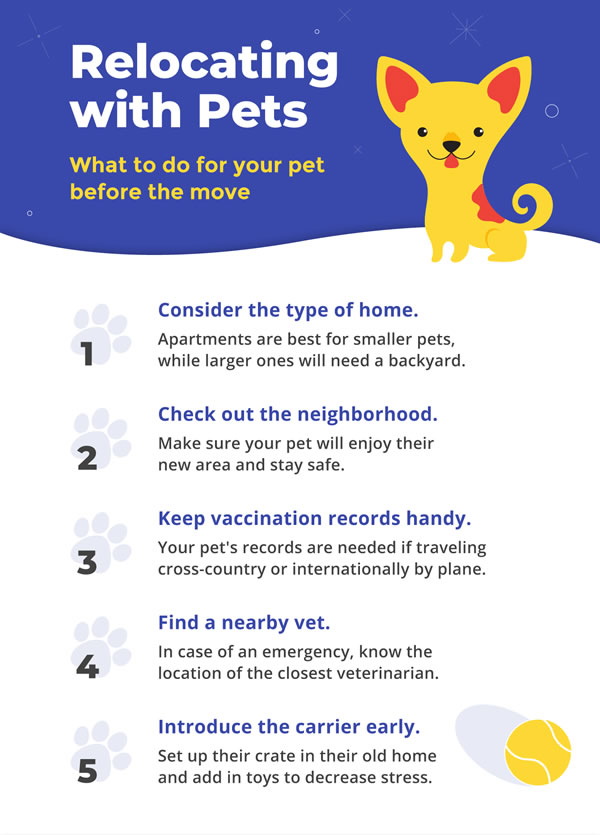
Moving is an exciting time and a fresh start for many. However, with an anxious pet, it can be difficult to ease their nerves in an unfamiliar environment. Your new home might be overwhelming to them, causing an increase in anxiety and bad behavior. Thankfully, there are various ways to help your furry friend feel at home when moving. Below is a guide from the team at MyMove on how to move pets safely before, during, and after your move. 

Before the Move

  • Make sure your home has sufficient space so that your pet has room to run and get in exercise.  
  • Before the move, try and set up their bed and play area beforehand to decrease stress when your pet arrives. 
  • If you can, consider bringing your dog to the new home early on to explore the area. This way, when it comes time to move, they will already be familiarized with the location.  
Continue reading

Stay with Me: Helping Your Dog Cope with Separation Anxiety

Contribution from freelance writer Sally Writes

Dog with separation anxiety
Photo by Andrew Welch on Unsplash

20-40% of all dogs are estimated to experience separation anxiety at some point in their lives (College of Veterinary Medicine, University of Illinois at Urbana Champaign). Separation anxiety is a serious behavioral problem that has a critical impact on pets and their owners. Some signs of anxiety and stress are destructive behavior, self-harm, restlessness, and an inability to eat. While pet owners might see these behaviors as being vindictive, they are not. They are symptoms that your pet is stressed and unhappy when you are away. If you are a pet owner and notice that your dog exhibits certain symptoms of separation anxiety, there are things that you can do to improve care and help cope with stress for an overall wellbeing.

The Causes of Separation Anxiety

Separation anxiety among pets is not well understood. A few existing research studies indicate that dogs that are abandoned and/or abused like rescue animals are likely to feel anxious. Certain breeds of dog are also susceptible to the disorder such as Labrador Retrievers or German Shepherds. Emotional distress is the primary reason for anxiety disorder and manifests when the owner is absent or not around. If you notice that your pooch suddenly starts whining or pacing as soon as you put on your shoes or grab your coat in preparation to leave the house, they might be feeling anxious. What you see when you are back home might even confirm your suspicion that your dog has a separation anxiety issue. Is your sofa chewed in several places? Maybe, you’ll find feces and urine that are more frequent when you are away. Your dog also becomes hyperactive, starts barking, howling and scratching without good reason. These are the typical symptoms of separation anxiety. It makes you both nervous and unhappy which is why you should get help immediately.

Continue reading