Should My Dog Wear a Coat or Sweater? A Winter Guide for Pet Parents

Should My Dog Wear a Winter Coat?

Blue Belle’s Story: Why This Question Matters

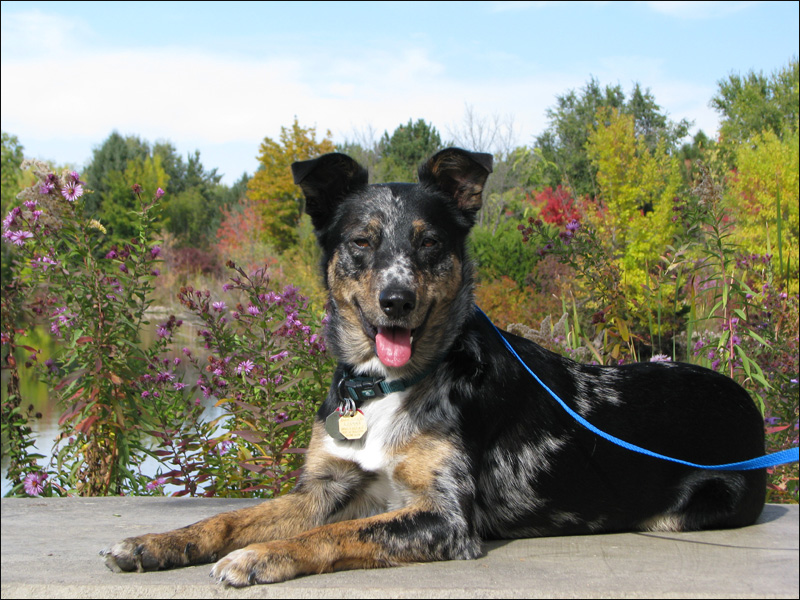
Blue Belle, a senior mixed‑breed dog, standing outdoors in her winter coat.

Blue Belle had just finished her visit with her oncologist when this topic first landed in my heart. After her ultrasound, her belly was shaved, and Dr. Hume gently suggested our dog wear a winter coat or sweater outside to keep her warm. That was all the encouragement we needed. Being the caring (and slightly fashion‑obsessed) dog parents we are, we went shopping and found her a cozy sweater and a new winter coat — even though she already had a perfectly good one at home. She deserved comfort, warmth, and yes, a little style.

That moment made me think about all the dogs out there — seniors, short‑haired pups, dogs recovering from medical procedures — who truly benefit from a little extra winter protection. And it also made me think about dogs like our sweet Scout, who had a thick, luxurious coat and would have overheated in a sweater within minutes.

A fluffy Alaskan Malamute sitting in a snowy landscape with trees and a bright winter sky.
Image by olginaa84 from Pixabay

So how do you know whether your dog needs a coat or sweater? And how long should they wear one? Let’s walk through it.

🐾 When Your Dog Might Need a Winter Coat or Sweater

When a Winter Coat Helps Keep Your Dog Comfortable

A winter coat is most helpful for dogs who struggle to stay warm on their own. Short‑haired breeds, senior dogs, and pups with health conditions often benefit from the extra insulation. In particular, coats are also ideal for cold, wet, or windy weather because they protect against the elements better than sweaters. According to the American Kennel Club, dogs with short coats, low body fat, or certain medical conditions often need extra protection in cold weather.

When a Sweater Is the Better Choice

A senior mixed‑breed dog named Blue Belle wearing a cozy winter sweater after her oncology visit.

Sweaters are perfect for dry, chilly days or for dogs who need gentle warmth without heavy insulation. They’re especially helpful for dogs with shaved areas, like Blue Belle after her ultrasound, or for pups who need comfort indoors or during short outdoor breaks.

Short‑haired or thin‑coated dogs

Breeds like Pit Bulls, Greyhounds, Boxers, and many mixed‑breed pups simply don’t have enough insulation to stay warm in cold weather. Blue Belle, with her short hair, fits into this category — especially now as a senior.

A hairless dog standing indoors wearing a blue knitted sweater and a purple collar.
Photo by Anya Chernykh on Unsplash

Senior Dogs Who Struggle With Temperature Regulation

Older dogs often struggle to regulate body temperature. As a result, a sweater can make winter walks more comfortable and help them conserve energy.

Dogs With Health Conditions or Shaved Areas

For example, hypothyroidism, arthritis, cancer treatment, or shaved areas from medical procedures (like Blue Belle’s belly) all make warmth extra important.

Small Breeds That Lose Heat Quickly

Tiny pups lose heat quickly and often benefit from sweaters even on moderately chilly days.

A small dog with gray and tan fur wearing a festive sweater, sitting alertly on a quilted couch.
Photo by Massimo P on Unsplash

Cold, wet, or windy weather

Even so, a dog with a decent coat can get chilled if they’re damp or exposed to wind.

When Dogs Don’t Need Extra Layers

Some dogs are naturally equipped for winter. Thick, double‑coated breeds like Huskies, Malamutes, and long‑haired Australian Shepherds (like Scout) stay warm on their own. Additionally, active dogs may also overheat quickly, and most dogs don’t need clothing indoors unless medically advised.

Continue reading
Growing Up in Alaska: Winter Joy, Summer Light, and Sled Dog Dreams

A soft mountain ridge in the Matanuska Valley with tall grass and trees in the foreground.
Photo by everett mcintire on Unsplash

Alaska may seem harsh to outsiders — long winters, deep snow, and wildlife that doesn’t always respect your front porch — but for us kids growing up in the Matanuska Valley, life in Alaska was something special. Growing up in Alaska meant living by winter rhythms, sled dogs, and the mountains that surrounded us.

❄️ Life in Alaska: Winter Play, Ice, Snow, and Wool Socks on the Radiator

We skated on frozen gravel roads where cars drove every day. The town built an outdoor rink every winter, and we’d spend hours gliding across the ice, cheeks red, hearts light. Coming home meant woolen socks steaming on the radiator, filling the house with that unmistakable winter smell.

Some winter nights, when the sky was clear and the cold felt sharp enough to crack, the Northern Lights would ripple across the sky. Greens, purples, and curtains of white light shimmered above the mountains, moving like something alive. We’d stand outside in our boots and pajamas, breath hanging in the air, watching the whole sky dance. Even as kids, we knew it was something rare and beautiful — the kind of wonder that stays with you forever.

In 1963, my brother Ron remembers a snowfall so heavy it dropped 37 inches in one day. School was canceled, but we went anyway — recess all day long.

🫎 Moose at the Door – That’s Life in Alaska

We learned early to watch for moose in the yard. One day, I came home from school to find a moose at the front door, chewing on the bushes. I circled to the back — only to find another moose waiting there. My dad came home, grabbed a broom, and shooed them both away like it was just another Tuesday. That was just part of life in Alaska — sharing space with animals bigger than your car.

🫎 Moose Country: Caution, Courage, and a Sick Visitor

Living in a small Alaskan town meant sharing space with moose — big, unpredictable, and sometimes downright dangerous. We had to be careful walking to school and never took the shortcut through the woods. After hearing that the boy next door got into a fight with a moose, we were extra cautious.

We kids were afraid of them, but our dad didn’t seem to be. Once, a young sick moose wandered into our backyard. Dad tried to help it by feeding it vegetables, hoping it would recover. Sadly, Fish and Game had to put the poor thing down.

Growing up, we ate a lot of moose meat. Susie hated it. When she was grown and living away from home, Dad used to bring her moose meat — and King Crab — in a suitcase on the plane. “He knew I hated moose meat,” she said, laughing.

🐴 Birch: Our Imaginary Horse

My brother and I had a lot of fun on our pet horse named Birch. It wasn’t a real horse — it was a strong birch tree in our front yard with a limb sticking out just right. Dad put a saddle and reins on it, and we rode along imaginary trails for hours, galloping through adventures only kids can dream up. And only Alaskan kids could turn a birch tree into a horse and believe it completely.

Continue reading
A Day in the Life of a Sled Dog: Told by Me, the One With the Frosty Whiskers

This little glimpse into sled dog life begins on a cold Alaska morning. From the start, you might think being a sled dog is all about running fast and looking heroic in photos. And sure — I do look heroic, especially when the frost settles on my whiskers just right. But there’s a whole world behind the scenes of a sled-dog team, and I’m here to tell you what it’s really like.

Sled Dog Life: Frosty’s View From the Trail

The Heart of Sled Dog Life

I’m Frosty Whiskers — lead dog, trail philosopher, and occasional snow‑snack connoisseur. Pull up a bale of straw and get comfortable. Let me show you my world.

A husky dog with striking blue eyes looks forward
Photo by David Becker on Unsplash

❄️ Morning: When the Sky Is Still Blue‑Gray and Quiet

Sled dog with frosty whiskers

By the time the first hint of Arctic dawn brushes the snow, we’re already stretching, shaking off the night’s frost, and checking in with each other. Meanwhile, the humans are still waking up slow.
Image by Ma_Frank from Pixabay

For instance, a good team starts the day with tail wags, nose boops, and a few playful shoulder bumps. It’s our version of morning coffee — except we don’t spill it.

The musher emerges bundled like a walking sleeping bag. We pretend not to laugh. It’s too early for them to know we’re laughing anyway.

🐾 Harness Time: The Sound That Makes Our Hearts Dance

Four assorted-color Siberian Huskies running in a sled dog race
Photo by Yann Gbs on Unsplash

There’s a moment — a tiny, magical moment — when the musher reaches for the harnesses. Everything changes.

We erupt. Then we hop. A heartbeat later, we howl. Soon we’re wiggling like we’re made of springs.

Even the dignified old-timers, the ones who pretend they’re above such things, can’t help but bounce. The harness doesn’t just mean running. It means purpose. It means teamwork. And most of all, it means we’re about to fly.

Continue reading