About Julie Walton

Internet Success Website Designer from Boise, Idaho. Designing websites for small businesses in the Northwest. Dogblog writer "A Dog's Eye View".

Providing Mental Stimulation for Your Dog’s Happiness and Well-Being

Contribution from freelance writer Sally Writes

Adorable Dog

Boredom caused by a lack of stimulation not only creates an unhappy pet, but it can also cause your dog’s brain to shrink. Prompted by distress, this may lead to your dog exhibiting destructive behavior or simply appearing lethargic. We all want what’s best for our pets, and providing plenty of stimulation for your dog should be seen, not simply as an indulgence, but essential to their happiness and health. With just a few simple changes or additions to your dog’s routine, you can provide a stimulating environment that will stop your dog getting bored and anxious.

A Range of Stimulating Toys

For keeping dogs mentally stimulated, toys should be seen as a necessity. This is especially true if you have to leave your dog alone for any period of time. Toys are vital for their well-being, by providing entertainment, distraction and comfort throughout the day. Dogs quickly get fed up with the same toys, so it’s a good idea to routinely rotate and update them to keep your dog stimulated. A regular subscription box is a convenient way to introduce innovative and unusual accessories to your dog. When your dog has a good mix of durable chew toys, interactive games and challenging treat dispensers to choose from, they dog will be happily entertained and stimulated.

A Change to the Routine

Although most dogs enjoy a steady and regular routine, especially those who are particularly vulnerable or anxious, small changes can be exciting and create moments of interest in their day. Try some simple obedience training for a few moments each day in order give your dog a mental workout. Make sure they know how to sit and stay, and teach them when to pick up or leave an object. At the same time as keeping them busy and engaged, you’ll be improving their behavior and teaching them new tricks. As a reward, and to keep them mentally alert, you can hide treats for your dog in interactive toys, or around the garden for them to find.

A New Outdoor Adventure

Even if you have scheduled, regular times for walks and exercise, simply taking a different route can expose your dog to interesting and unusual surroundings, sounds and scents. Your dog’s sense of smell is 10,000 times more sensitive than yours, and when they stop to sniff, they are busy acquiring and processing information, often from traces of pheromones from other animals. This means it’s important to give your dog plenty of time to explore stimulating scents in order to make the most out of even a short walk. Meeting other people and their dogs in the park can also be stimulating for a sociable dog. As well as encouraging good physical exercise, playing with other dogs of a similar nature is a fun distraction, and a great way for your dog to let off steam.

As well as physical exercise, dogs need mental stimulation to keep them happy and to prevent undesirable behavior. By mixing up their routine, encouraging them to work for treats, and rewarding them with a selection of interesting and engaging toys, you can be assured that your dog is happily entertained and living a fulfilling life.

Why Sleeping With Your Dog is a Great Idea

My dog provides comfort.

If you are like me, you know how much comfort your dog brings to your family. I happen to have epilepsy, so Blue Belle is a real comfort to me. And she is the rescue dog who rescued us. I always feel so secure when she is keeping me safe in bed.

Enjoy the guest blog post by Karli Jaenike.

Any one dog lover knows that sleeping with your dog in the bed provides comfort and security. Not only are dogs soft and cuddly, but co-sleeping with your dog can offer a ton of health benefits.

For example, sleeping with your dog has been shown to reduce depression. Animal assisted activities (such as interacting with your dog, petting your dog or cuddling your dog) increases our flow of oxytocin. This is the “love chemical” that is released when you see something cute, hug someone you love or think happy thoughts.

This oxytocin not only helps depression, but relieves anxiety and stress as well. This allows you to fall asleep more quickly and stay asleep longer. In fact, oxytocin has been shown to promote theta brainwaves, which are known to occur during the deepest stage of sleep (REM sleep).

Those with insomnia and those with PTSD have seen massive benefits from sleeping with pets. Additionally, those who suffer from heart issues can benefit from cuddling their dog as well! One study found that human-dog interaction led to lower blood pressure readings.

Continue reading

Review – Best Dog Food of 2019

Guest Post by:
Joey Santaella     
ConsumersAdvocate.org 

Best dog food review

One of the most difficult—and important—decisions dog parents need to make is what type of food to give them. Choosing the best option is not always as easy and straight-forward as one might hope because there are so many options out there to choose from, as well as so many ingredients in the mix (which aren’t all good for your pup). For this reason, ConsumersAdvocate.com came up with a new guide after comparing and vetting 65 dog food companies, using over 20 different sources, and spending hundreds of hours conducting research. This thorough guide offers helpful information about dog food, an FAQ section,  simple “what you need to know” facts, top picks with reviews, and insight into the research methodology.

Check out the full research guide here:  https://www.consumersadvocate.org/dog-food

What Your Pet’s Sleeping Position Means

Guest Post: Brigid Ludwig

Most pet owners have developed their own way of communicating with their pets. Your furry friend can often tell by the tone of your voice when you’re praising or reprimanding them, and you know by those big puppy dog eyes that they want a piece of the food you’re eating.

This communicating goes for body language as well. You can tell by a wagging tail or raised hackles that your pet is excited or unhappy. Likewise, they can often tell when you’re angry or upset based on how you move. Take some time to notice how often you’re reading your four-legged friend’s body language, and you may be surprised how clearly their personality comes through. So even if your pet can’t talk to you, there’s an unspoken bond that doesn’t need words.

But did you know that just like their waking body language, there are insights to be gained from how your pets sleep? There are many subtle cues to pay attention for that could reveal whether your furry friend is happy, cold, anxious, or comfortable. If you’re not checking out the signals they’re sending while asleep, you’re missing out on valuable insights into your pet’s state of mind.

For more insight into what your pet’s sleeping position means, Sleep Advisor compiled a list of your pet’s most common sleeping positions and what they mean. Check it out below:

Pet sleeping position infographic

Discover the Antimicrobial Power of Copper for Protecting Dogs against Yeast and Skin Infections

Guest Post by: Kunal Patel 

copper dog bed
Image Source: copperclothing.com

Dogs are prone to skin allergies and yeast infections, particularly when they get older or fall sick. If the health of their skin is compromised, it’s easier for yeast and bacteria to grow on it, causing itchiness and bad odours. When your pet scratches these itchy spots, they get hot, inflamed or swollen due to increased blood flow, making the problem even worse.

Skin problems are particularly common among many popular breeds and knowing about these can help you prevent or manage them before they become serious.

Which Breeds Are at Risk of Skin and Yeast Infections?

While any dog may have skin problems or yeast infections, these 10 breeds are generally at higher risk:

  1. Spaniels – Their long, floppy ears and heavy jowls put spaniels at risk of numerous skin problems. They are especially prone to infections in the folds of their lower lip and their ears, which provide the ideal environment for the growth of bacteria and yeast.
  2. Cocker Spaniels – Cocker Spaniels are prone to eye problems and ear infections as well as a higher risk of seborrhea. This genetic condition leads to the chronic growth of a waxy substance on the ears, and may also cause greasy, scaly or smelly skin.
  3. Boxers – These compact, muscular and athletic dogs often face a wide range of serious health concerns, including cancer, hip dysplasia, arthritis, knee and heart-related problems, thyroid issues etc. They’re also susceptible to skin allergies and infections.
  4. Standard Poodles – Poodles are prone to developing granulomatous sebaceous adenitis, an inherited skin condition that affects the oil glands. In addition to making them more prone to secondary skin infections, this condition can also cause hair loss.
  5. Chinese Shar-Peis – With short-haired dogs like Shar-Peis and bulldogs, skin irritation is a common problem. Folds in their skin cause short hairs on one side to poke against the other side when the dog moves, causing irritation and making allergies or skin infections worse. Young English bulldogs are also prone to skin tumours called histiocytomas.
  6. American Bulldogs – Along with irritation caused by skin folds and short hair, this breed tends to have food and environmental allergies that affect the health of their skin. They may also inherit canine ichthyosiform dermatoses, a condition that causes skin along the armpits, groin and belly to become red and scaly.
  7. Basset Hounds – Large sad eyes and droopy ears make these dogs look adorable, and they love sniffing everything they can reach. Coupled with their short legs and droopy skin, this raises the risk of picking up infection-causing bacteria, viruses and parasites, or even inhaling them.
  8. Doberman Pinschers – These dogs often have low thyroid function or hyperthyroidism, which affects their skin health. Hyperthyroidism can lead to alopecia or hair loss, especially along the flanks, while low thyroid function may cause a dry or flaky coat. Both issues can lead to secondary skin infections as well.
  9. Labrador Retrievers – Labradors are generally robust and healthy as long as they get a good diet and plenty of exercise. However, they can face allergies due to dietary, genetic and environmental factors, causing skin problems such as itchiness, hot spots, etc.
  10. Pit Bull Terriers – A weak immune system makes pit bulls more prone to infections, as well as issues caused by tiny demodex mites that reside in hair follicles. In dogs with low immunity, demodectic outbreaks can cause secondary skin infections or itchiness.

In addition to the breeds listed above, dogs with hormonal imbalances, excessive earwax, weak immunity and food, environmental or genetic allergies also face a higher risk of skin and yeast infections. Certain medications such as antibiotics, or warm and humid living environments can also pose a threat.

How Does Copper Help with Treating Skin Problems?

Copper is not only an essential mineral found in all mammals, but its additional health benefits for your canine companion include:

  • Incredible antimicrobial powers, which kill a huge variety of bacteria, fungi and viruses through contact. Historically, copper has also been used to fight fleas, mites and other parasites that affect household pets.
  • Eliminating bad odours from your pet’s fur, skin and bedding. These unwanted odours are usually caused by sweat, bacteria and fungi, and copper effectively fights this nasty mixture in a safe and chemical-free manner.
  • Boosting blood flow, circulation and regulation of body temperature. Copper helps keep your dog warm and comfortable, and can even provide relief from arthritis, joint pain and other mobility issues in older canines.

Owning a dog is a huge responsibility, since they need as much love, care and attention as a young child. Copper pet beds are a great way to help your furry friends stay healthier and happier, so switch to them today!

Author Bio:

Kunal is a young and passionate entrepreneur, fascinated by the workings of the human body and natural solutions for common health problems. He’s single-minded in his aim to make Copper Clothing a brand that’s recognised across the globe, by partnering with global brands to make these high-tech materials easily accessible for everyone.

5 Things You Should Know Before Adopting Your First Dog

Guest Post by: Julie Adams – Editor In Chief, Modern Living 101

image source: pexels.com

The prospect of adopting your first dog is incredibly exciting. Regardless of if you’re considering taking home an older dog, or a puppy, you’re in for an adventure. If you treat a dog well, they will be with you through thick and thin no matter what. With a new dog, there is a lot to be excited about! But there’s also a lot you need to know sooner rather than later.

First off, thank you for doing research before simply diving into dog ownership. Many people skip this part and end up becoming overwhelmed, irresponsible pet parents.

Owning a dog is a long-term commitment that comes with more responsibility than most people realize. This little animal now depends on you to be the sole provider of care, nutrition,  entertainment, and love for the rest of its life. Although there’s a lot of work that goes into your potential new role as a pet parent, the advantages will far outweigh any possible drawbacks.

Here are a few basics you need to know about dog ownership.

1. Look at food costs, and how much you’ll need to feed your dog

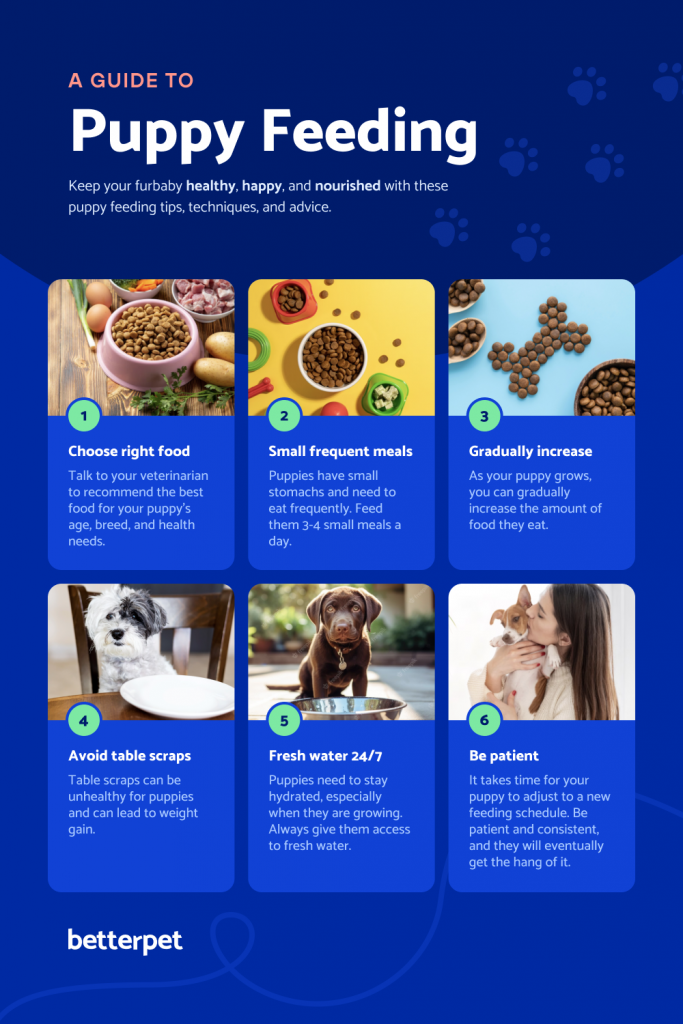
Not all dog food is created equal, and not all dogs are grazers. In fact, many of them are gluttons. They will eat everything you give them. Many people make the easy mistake of not paying attention to how much you’re feeding your dog or just eyeballing what you feel looks right. This can lead to overfeeding or underfeeding your dog.

To guarantee that you’re feeding your pet the proper quantity each day, do a little bit of research online. You can look at things like the type of food you’re giving your dog, how old they are, how much they currently weigh, and what a healthy weight range should be. This way, you’ll be able to accurately gauge where your dog falls in terms of weight standards and feed accordingly.

2. Be ready to potty train ASAP

Although it might be tempting to get a bit lax in your potty training schedule as your new pet dog gets familiarized with your house, it is necessary that you put together a potty training regime and stick to it– particularly in the developmental phases of your dog’s relationship with you and your home.

If you have not potty trained a pet previously, you’ll want to do some research into this as well. There are plenty of techniques for making the process easier. You can also learn what warning signs to look for to indicate your dog may have to go outside. If you tackle this challenge sooner rather than later, you’ll save yourself on cleaning and headaches in the future.

3. If you’re not prepared to clean, don’t adopt a heavy shedding breed

Unless you have a hairless dog, you can expect to have a new chore on your hands, regular vacuuming sessions to help control pet hair. With some breeds, you may even need to buy a certain vacuum that doesn’t clog or get tangled as easily with large amounts of thick fur/hair. If you let your pet go on the couch, make sure you have a vacuum with upholstery attachments to help keep your couches clean.

It is also a good idea to start your dog on a regular grooming schedule to stay ahead. If you have a heavy shedder on your hands, daily brushing can help cut down on the amount of fur that ends up around your home.

Most dogs need to be bathed at a minimum, once every three months. However, many pet owners choose to wash their dogs as often as every other week, as long as a gentle shampoo is used.

4. See if your friends will help you socialize your dog

Socializing your dog early on will pay off significantly in the long run. By introducing your dog to new individuals and animals now, you substantially increase their ability to have healthy interactions with other people and dogs later.

Many pet owners choose to jump right into socializing their dog right away. However, professionals suggest developing a socializing strategy to make the procedure safer and more effective.

Dogs that are not properly socialized can be defensive and aggressive. A properly socialized dog is a happy dog.

5. Recognize there are leash laws

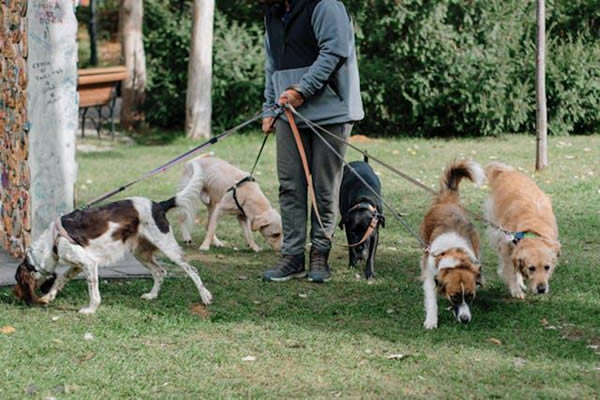
There are few things more enjoyable than watching your dog run around having a great time. Although it’s okay to let your pet run around a leashless dog park or in your back yard, complying with the leash laws where they are in place is very important when it comes to keeping you, your dog, and others safe.

It is a good rule of thumb to keep your dog on a leash by default unless you know the area allows dogs to run free. Even if you have a well-trained angel of a dog, you never know when they might see a squirrel and go sprinting across the street. Some things are out of your control, and keeping your dog on a leash can help prevent a slew of issues.

Now that you’ve got the basic guidelines down, you’re ready to start the search for your perfect new canine companion. Remember, adopting a dog is not a short-term endeavor. A good pet owner (under most circumstances) should be ready to commit to a dog for the rest of it’s life.