A Note Before We Begin
Helping Your Dog Through Life Changes: Comfort Moves That Make a Difference
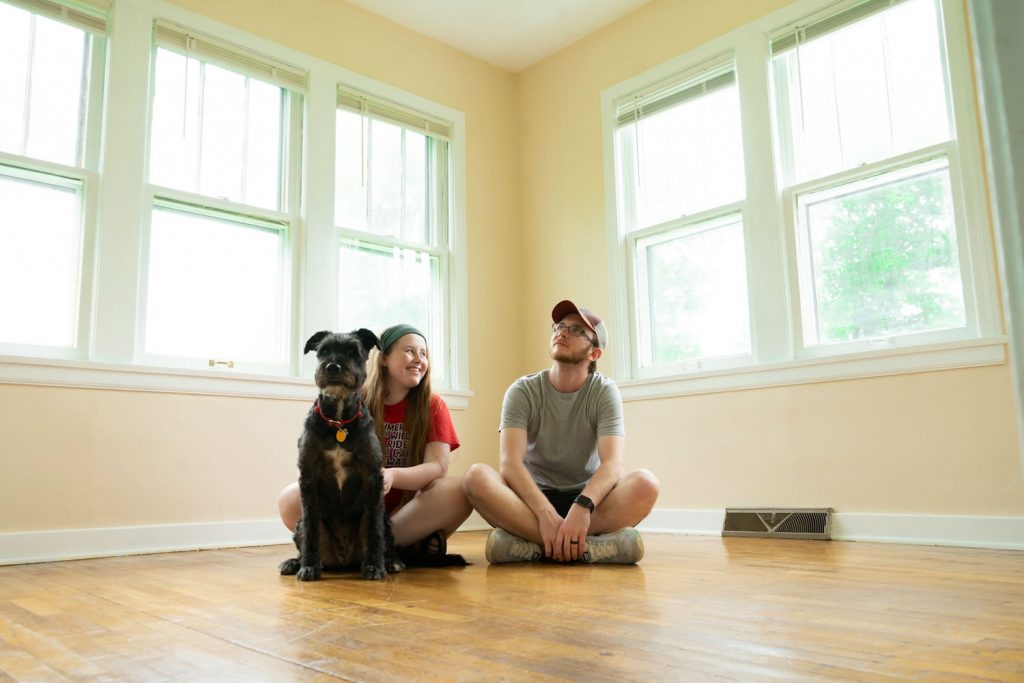
Life changes ripple through a home in ways we don’t always notice — but our dogs feel them instantly. When I saw this photo of a couple sitting on the floor of an empty room with their dog, it reminded me of all the quiet transitions our pets witness: the boxes, the new routines, the shifting energy, the moments when we’re trying to stay steady even while everything around us is moving. Life changes ripple through a home in ways we don’t always notice — but our dogs feel them instantly. This is why helping your dog through life changes matters so much.
Dogs read those moments so closely. They look to us for cues, comfort, and a sense of what the “new normal” might be. That’s why I’m grateful to share this thoughtful guest post from Nick Burton on helping your dog through life changes. His guidance is calm, compassionate, and full of small routines that make big transitions feel safer for the dogs who depend on us.
Guest Contributor: Nick Burton
Ourbestdoggo.com
For busy dog owners balancing work, family shifts, and a home that never stays the same, it can be confusing when a normally steady dog suddenly seems “off.” Life changes affecting pets, a schedule change, a new baby, different roommates, or the new home move impact, often create pet routine disruption that looks like clinginess, restlessness, or shutdown. The hard part is that these household transitions can feel minor to humans while hitting a dog’s emotional well-being like a big loss of predictability. Spotting these triggers early helps dog owners respond with empathy instead of frustration.
Why Dogs React So Strongly to Change
Dogs notice patterns more than we do, so small shifts in sounds, scents, and schedules can feel big. At a basic level stress is a response to change that threatens a dog’s sense of balance, so their body goes into “something’s different” mode. That sensitivity plus broken routines and common anxiety triggers can show up as pacing, whining, hiding, or sudden “bad behavior.”
This matters because the behavior is often a signal, not stubbornness. When you understand that pet anxiety is real, more common than many people realize, it’s easier to respond calmly and protect your bond.
Imagine your dog relies on a predictable walk, quiet hours, and one favorite nap spot. Add new voices, boxes, or a different dinner time, and their day stops making sense.
With the “why” clear, you can build simple routines and comfort cues that make change feel safer.
Use 7 Comfort Moves to Steady Your Dog’s Routine
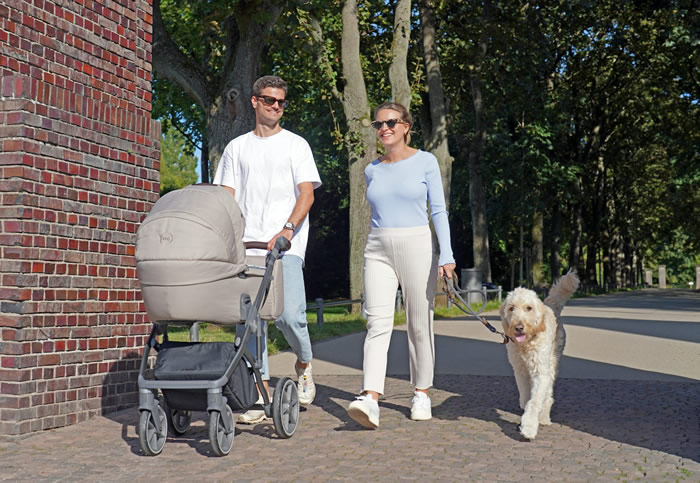
Comfort moves that help your dog feel steady during life changes
Big changes can make dogs feel like the “rules of the world” just shifted overnight, especially when their environment and schedule suddenly look different. These comfort moves help you keep daily life predictable so your dog’s nervous system has something steady to grab onto.
- Lock in a predictable “anchor schedule”: Pick 2–3 non-negotiables your dog can count on every day (usually breakfast, a potty break, and a short walk). Keep the timing as consistent as you can for the first 2 weeks of the transition, even if other parts of your day are messy. A predictable routine helps dogs feel secure when everything else is shifting.
- Create one portable comfort cue (and use it on purpose): Choose a simple pattern you can repeat anywhere: “mat down → treat scatter → calm petting.” Practice it once a day when things are already quiet, so it becomes familiar before you need it. When your dog gets jumpy during packing, visitors, or a new schedule, you can run the same cue to signal “this is safe.”
- Shrink the change into tiny steps (10–15 minutes at a time): If your dog is sensitive to novelty, do mini “exposures” that end before they spiral, like sitting in the parked car for 3 minutes, then 5, then a quick block. For a new home layout, start by letting them explore one room with you, then add rooms across a few days. This transition-easing technique works because you’re pairing new sights/sounds with calm repetition instead of overwhelm.
- Use a ‘sniff first’ decompression break daily: A slow sniff walk is different from exercise; it’s stress relief. Aim for 10–20 minutes where your dog chooses the pace and you follow, even if you only make it down the street. Sniffing gives their brain a job and can reduce pet anxiety when the household energy is high.
- Build a calm “arrival routine” for comings and goings: Many dogs get stressed when doors, keys, and goodbyes become unpredictable. Try a 60-second ritual: ask for a sit, toss 5–10 pieces of kibble on the floor, then calmly leave or enter without big greetings. Over time, the door becomes a cue for “food and calm,” not “panic and chase.”
- Do short training reps to restore confidence: Change can make even well-behaved dogs feel unsure, so give them easy wins. Spend 3 minutes once or twice a day on familiar cues like touch, sit, and “find it,” then stop while it’s still fun. A routine that includes time to train your dog supports pet care best practices and gives anxious dogs something predictable to succeed at.
- Update safety details before the busiest week hits: Moves, visitors, and schedule changes increase the odds of an accidental door-dash. Check that contact info is current on tags and microchip records, then keep a recent photo on your phone. It’s a five-minute task that can save you hours of panic.
When you keep the day’s “anchors” steady and introduce new things in small, repeatable ways, your dog’s big feelings start to make more sense, and their behavior gets easier to read. These habits also make it clearer which changes are normal adjustments… and which ones deserve extra support.
Common Transition Questions, Calm Answers
Small changes add up, so let’s clear up the biggest worries. These are the questions dog owners ask most often when they’re helping their dog through life changes.
Q: How can moving to a new home impact my dog’s behavior and emotional well-being?
A: A move can trigger clinginess, pacing, accidents, barking, or hiding because your dog’s scent map and safety cues just changed. Keep one “safe zone” consistent for a week with their bed, water, and a chew, and limit overwhelming house tours. If your dog stops eating, becomes aggressive, or can’t settle after 10 to 14 days, a vet or qualified trainer can help.
Q: What are effective ways to help my dog adjust when my work schedule changes suddenly?
A: Treat it like jet lag: shift departure times in small increments, and pair your leaving cues with a calm food puzzle or scatter feed. Add one extra potty break or short sniff walk to lower stress before your longest absence. If separation distress shows up as nonstop barking, drooling, or destruction, get support early.
Q: How should I prepare my dog for the arrival of a new baby to minimize stress?
A: Rehearse the new rhythm now: play baby sounds softly during treats, practice walking with a stroller, and teach a simple “go to mat” cue. Set up gates so your dog can be near you without being underfoot, then reward calm choices. Sudden growling or guarding around baby gear is a “call a pro” moment, not a guilt moment.
Q: What strategies can I use to maintain my dog’s routine during major household changes?
A: Pick three daily constants you can protect no matter what: meals, a potty schedule, and one connection ritual like a five-minute training game. Use visual reminders like a fridge checklist so everyone in the home follows the same plan. Consistency matters because pet industry expenditures reached $152 billion in 2024, and the best “investment” is often predictability, not more stuff.
Q: If I’m feeling overwhelmed managing my personal life and caring for my dog during these transitions, what resources can help me find balance and regain control?
A: Start with a two-column plan: what your dog must get daily, and what can be flexible until life settles. Lean on your circle with specific asks, like one walk swap per week, and consider a session with a trainer or behavior consultant to reduce decision fatigue. If you’re also weighing school or a career shift, exploring a flexible online degree path can help you design a schedule that supports both you and your dog. Check this out for options you can review.
You’re not behind, you’re adapting, and your dog can learn the new normal with you.
Calm-Through-Change Checklist
This pet transition checklist turns good intentions into supportive pet care steps you can actually repeat on busy days. Use it to protect your bond, reduce stress signals early, and make change feel safer for your dog.
✔ Set up a consistent safe zone with bed, water, and chew
✔ Keep three daily anchors: meals, potty times, and one connection ritual
✔ Practice new routines in tiny steps before the change hits
✔ Pair departures with a food puzzle or scatter feed
✔ Add a sniff walk or extra potty break before long absences
✔ Teach and reward a “go to mat” settle in high-traffic moments
✔ Track appetite, sleep, and stress behaviors for 14 days
✔ Call a vet or trainer if aggression, refusal to eat, or panic persists
You’ve got a plan now, and your steadiness is the comfort they can trust.
Building Calm Confidence With Small Routines During Dog Transitions
Big life changes can make even a steady dog feel uncertain, and it’s easy to second-guess whether enough is being done to keep them comfortable. The steady approach here is simple: stick to compassionate routines, stay observant, and let calm, consistent support guide caring through transitions. When that becomes the default, stress signals feel less mysterious, and encouraging attentive pet care turns into confidence instead of worry. Calm comes from consistent care, not perfect circumstances. Choose one small win today, use the checklist to keep one part of the routine steady and note how your dog settles. That ongoing attention protects pet well-being and strengthens the sense of safety that helps them adapt for the long haul.

A Few Final Thoughts From Me – Helping Your Dog Through Life Changes
Big changes don’t just shift our routines — they shift our dogs’ sense of safety, too. I’ve seen this with my own dogs over the years: even small transitions can feel big to them, and the most helpful thing we can offer is steadiness. A predictable walk, a quiet corner, or a familiar cue can make all the difference when life feels unsettled. These small routines really do help when you’re helping your dog through life changes.
If you’re in a season of transition, I hope Nick’s insights give you a few gentle ways to start helping your dog through life changes. You might also find comfort and clarity in these related posts:
- How to Strengthen Your Bond With Your Dog
- Understanding Stress in Dogs
- How Music Affects Dogs: The Science, the Benefits, and Blue Belle’s Story
Whatever is shifting in your world right now, your steadiness is something your dog can trust — and that trust is what carries both of you through the changes.
“How to Support Your Dog Through Life’s Big Changes and Keep Them Calm” is such an important topic
People sometimes forget that dogs feel stress and emotional changes much more than we realize. Moving house, new routines, travel, a baby arriving, or even changes in the owner’s mood can completely affect their behavior. Keeping familiar toys, walking schedules, and calm routines can really help reduce anxiety.
And let’s be honest… dogs usually handle life changes better than humans — unless someone moves their food bowl 10 centimeters to the left, then suddenly it becomes a national emergency
Articles like this are super valuable because a calm and secure dog is often the result of patience, consistency, and lots of love.
check our website : [www.compassionvibes.shop](http://www.compassionvibes.shop)
Pingback: Pet Milestones: A Simple Guide to Tracking MemoriesDogBlog: A Dog's Eye View