
Caring for a senior dog is one of the most rewarding — and emotional — parts of pet parenthood. As dogs enter their golden years, their needs change, their bodies slow down, and their comfort becomes the top priority. Ultimately, her checkup reminded us that supporting the quality of life for senior dogs isn’t just about treating conditions — it’s about creating comfort, reducing stress, and helping them enjoy their days in meaningful ways.
After a recent visit with our 14‑year‑old dog Blue Belle’s oncologist, who helped guide us through her cancer survival journey, we learned that while her cancer is stable (a huge relief), she’s now facing arthritis and cataracts. Naturally, these age‑related conditions are incredibly common in older dogs, and they sparked a bigger conversation about what truly matters at this stage of life: quality of life.
In this post, we’ll share what we learned, what other pet parents should watch for, and how to support a senior dog’s comfort, mobility, and happiness.
Why Quality of Life Matters for Senior Dogs
As dogs age, the goal shifts from “treating everything” to making every day feel good. Quality of life isn’t just about medical conditions — it’s about:
- Comfort
- Mobility
- Appetite
- Sleep
- Emotional well‑being
- Ability to enjoy favorite activities
Veterinarians often use a Quality of Life Scale to help families make decisions. It’s a compassionate, practical tool that evaluates pain, mobility, hygiene, appetite, and overall happiness. Ultimately, when we understand what contributes to the quality of life for senior dogs, it becomes easier to make thoughtful choices that keep them comfortable and emotionally supported. You can read more about Blue Belle’s journey in her senior‑dog reflections.
Common Health Issues in Senior Dogs
1. Arthritis in Older Dogs
Arthritis affects over half of senior dogs and can cause stiffness, limping, and difficulty with stairs or getting up. Fortunately, several simple adjustments can help:
- Soft, supportive bedding
- Ramps or stairs for furniture and cars
- Gentle, low‑impact exercise
- Warmth (senior dogs love heated beds)
- Vet‑recommended pain management options
2. Cataracts and Vision Loss
Cataracts can cloud a dog’s vision and make navigation harder. To help, try:
- Keeping furniture in consistent places
- Night lights for dark hallways
- Clear verbal cues
- Avoiding sudden changes in the environment
3. Slowing Down in General
Senior dogs may sleep more, walk slower, or lose interest in long outings. Even so, this is normal — and it’s okay to adjust expectations.
How to Improve the Quality of Life for Senior Dogs
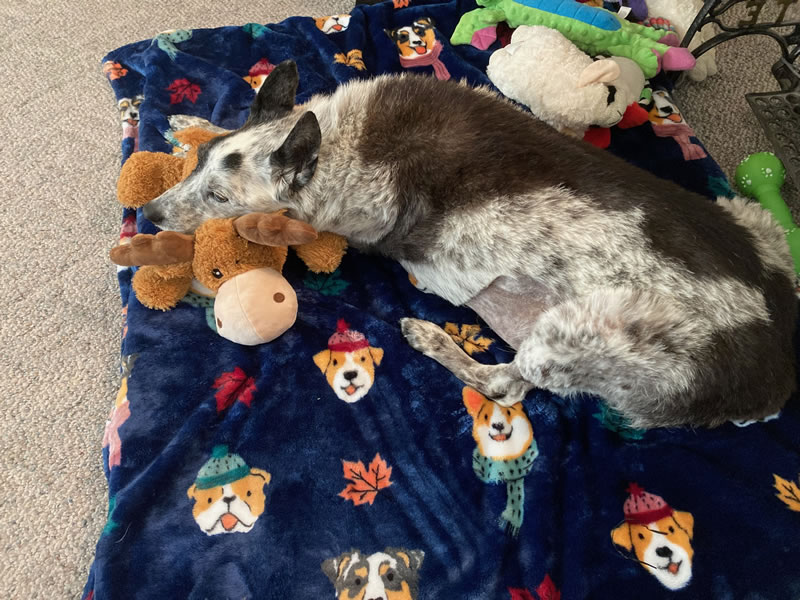
1. Pain Management for Improving Quality of Life
Pain is one of the biggest factors affecting quality of life. For that reason, talk to your vet about:
- Medications
- Joint supplements
- Acupuncture or laser therapy
- Physical therapy
2. Mobility Support for Senior Dog Quality of Life
Small changes make a big difference. For example:
- Non‑slip rugs
- Raised food bowls
- Harnesses with handles
- Shorter, more frequent walks
3. Sensory Support
For dogs with cataracts or hearing loss, simple adjustments can help:
- Use scent cues
- Keep routines predictable
- Add tactile markers (like mats) near stairs or doors