Should My Dog Wear a Winter Coat?
Blue Belle’s Story: Why This Question Matters
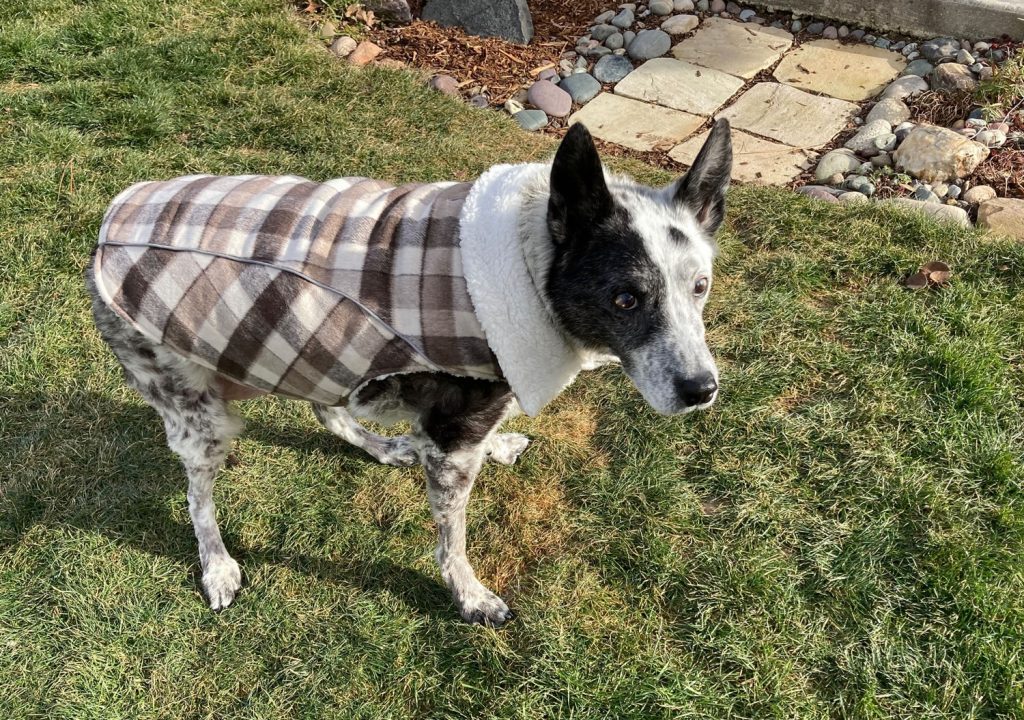
Blue Belle had just finished her visit with her oncologist when this topic first landed in my heart. After her ultrasound, her belly was shaved, and Dr. Hume gently suggested our dog wear a winter coat or sweater outside to keep her warm. That was all the encouragement we needed. Being the caring (and slightly fashion‑obsessed) dog parents we are, we went shopping and found her a cozy sweater and a new winter coat — even though she already had a perfectly good one at home. She deserved comfort, warmth, and yes, a little style.
That moment made me think about all the dogs out there — seniors, short‑haired pups, dogs recovering from medical procedures — who truly benefit from a little extra winter protection. And it also made me think about dogs like our sweet Scout, who had a thick, luxurious coat and would have overheated in a sweater within minutes.
So how do you know whether your dog needs a coat or sweater? And how long should they wear one? Let’s walk through it.
🐾 When Your Dog Might Need a Winter Coat or Sweater
When a Winter Coat Helps Keep Your Dog Comfortable
A winter coat is most helpful for dogs who struggle to stay warm on their own. Short‑haired breeds, senior dogs, and pups with health conditions often benefit from the extra insulation. In particular, coats are also ideal for cold, wet, or windy weather because they protect against the elements better than sweaters. According to the American Kennel Club, dogs with short coats, low body fat, or certain medical conditions often need extra protection in cold weather.
When a Sweater Is the Better Choice
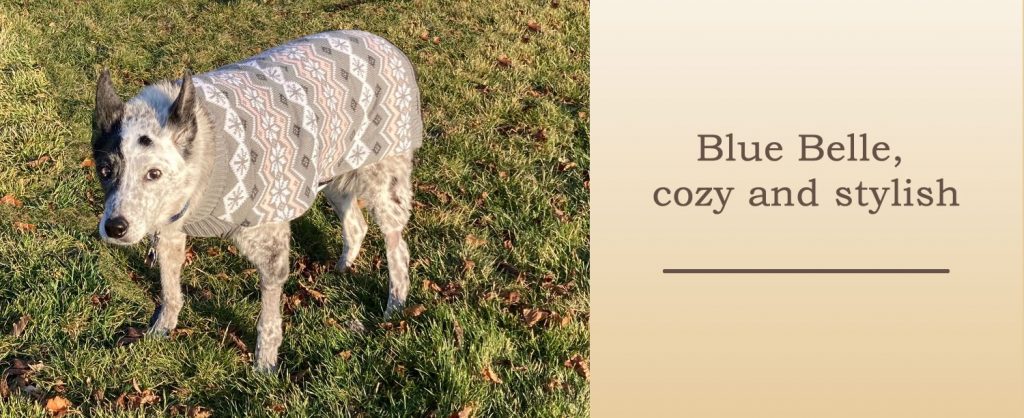
Sweaters are perfect for dry, chilly days or for dogs who need gentle warmth without heavy insulation. They’re especially helpful for dogs with shaved areas, like Blue Belle after her ultrasound, or for pups who need comfort indoors or during short outdoor breaks.
Short‑haired or thin‑coated dogs
Breeds like Pit Bulls, Greyhounds, Boxers, and many mixed‑breed pups simply don’t have enough insulation to stay warm in cold weather. Blue Belle, with her short hair, fits into this category — especially now as a senior.
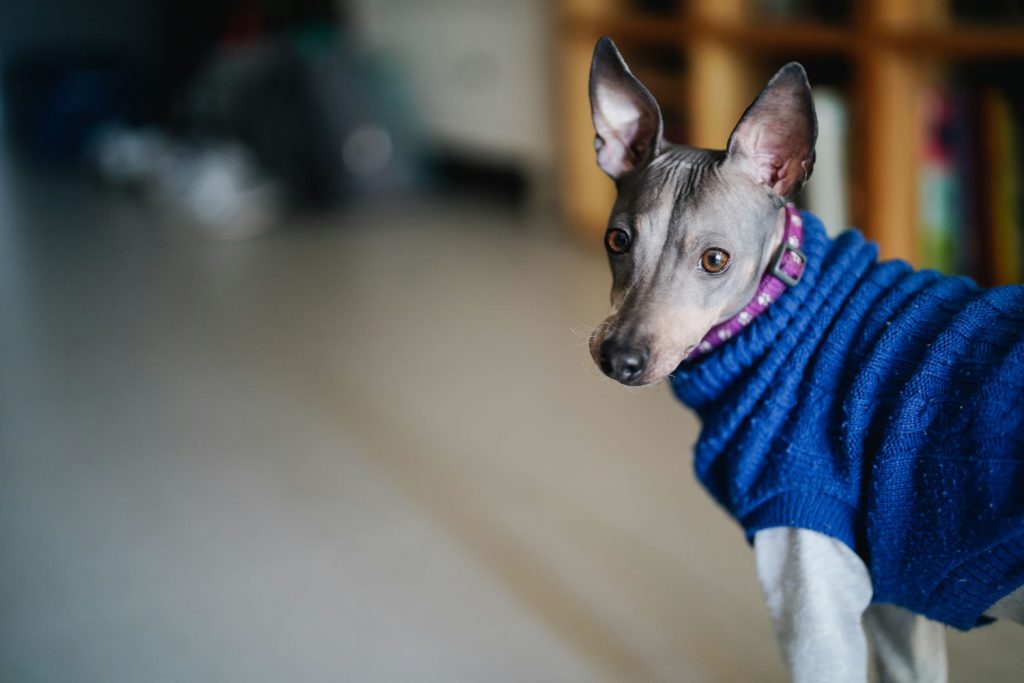
Senior Dogs Who Struggle With Temperature Regulation
Older dogs often struggle to regulate body temperature. As a result, a sweater can make winter walks more comfortable and help them conserve energy.
Dogs With Health Conditions or Shaved Areas
For example, hypothyroidism, arthritis, cancer treatment, or shaved areas from medical procedures (like Blue Belle’s belly) all make warmth extra important.
Small Breeds That Lose Heat Quickly
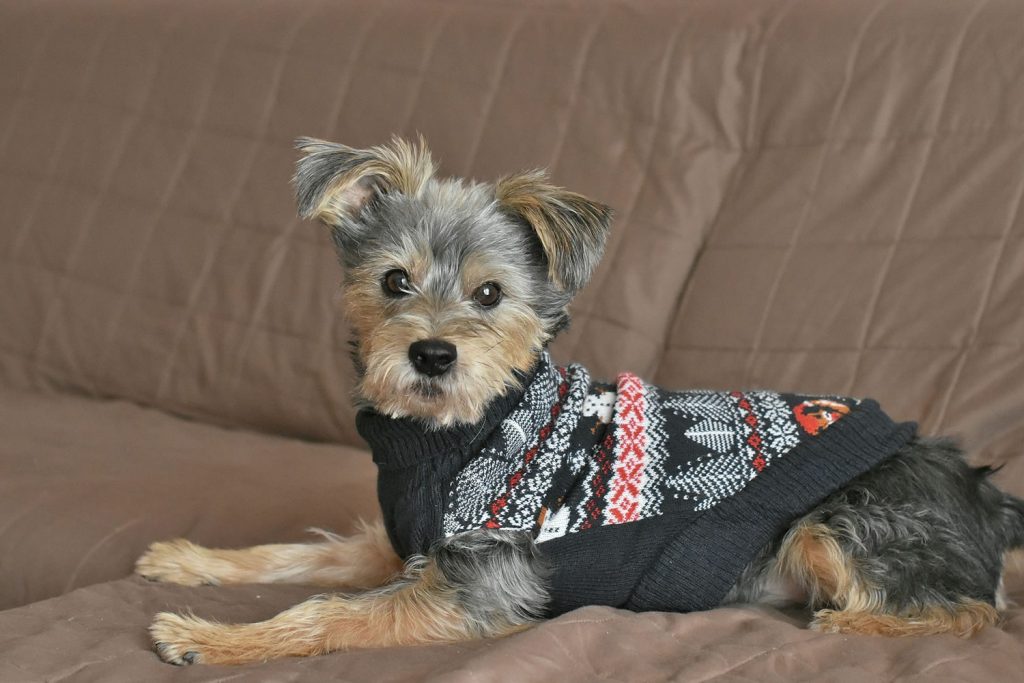
Tiny pups lose heat quickly and often benefit from sweaters even on moderately chilly days.
Cold, wet, or windy weather
Even so, a dog with a decent coat can get chilled if they’re damp or exposed to wind.
When Dogs Don’t Need Extra Layers
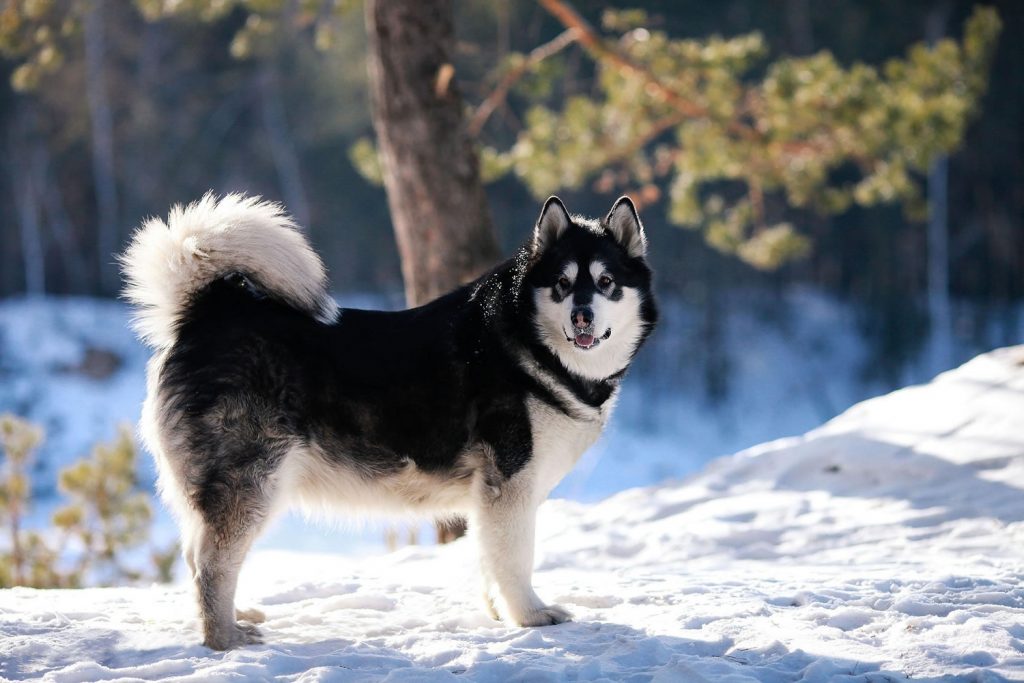
Some dogs are naturally equipped for winter. Thick, double‑coated breeds like Huskies, Malamutes, and long‑haired Australian Shepherds (like Scout) stay warm on their own. Additionally, active dogs may also overheat quickly, and most dogs don’t need clothing indoors unless medically advised.
Continue reading