Update: A Closer Look at the Dog‑Powered Scooter — With New Photos From the Inventor

Last September, I shared my first impressions of a unique invention designed for dogs who live to run and pull. Since then, something special happened: the inventor, Mark, reached out to me directly. He sent an update, along with three new photos that show just how far this design has come — and how beautifully it works in real‑world settings. This update takes a closer look at the dog powered scooter, including new photos and insights directly from the inventor.

Mark has spent years refining this scooter to create a safe, intuitive way for high‑drive dogs to do what they love most. His passion for urban mushing shines through in every detail. Here’s how he describes it:

“Best outlet for a high‑drive runner and puller of a dog/dogs! It’s urban mushing perfected — on or off road. No commands needed since the dogs are behind the steering wheel and can only go forward. You don’t crash with this design since the 2‑point clip‑in adds stability to the scooter, and the scooter supports the dogs so the rider and dogs and scooter become one. Up to 3 dogs can fit on the scooters we make. Sales are about even with 1/2 women and 1/2 men. It’s all quality parts that will last a lifetime. It’s great for even high‑drive aggressive, deaf, and/or blind dogs. It does great off‑road and it’s the only safe way to mush in the city!”

Because the scooter keeps dogs aligned and supported, it can be a safe option for blind dogs. I’ve also written a guide on helping blind dogs navigate home and outdoor spaces.

Dog Powered Scooter: What’s New in This Update — and What the Photos Reveal

The dog powered scooter has evolved since my original post, and the new photos show how stable and intuitive the design really is.

1. A stable, side‑by‑side design that keeps everyone safe
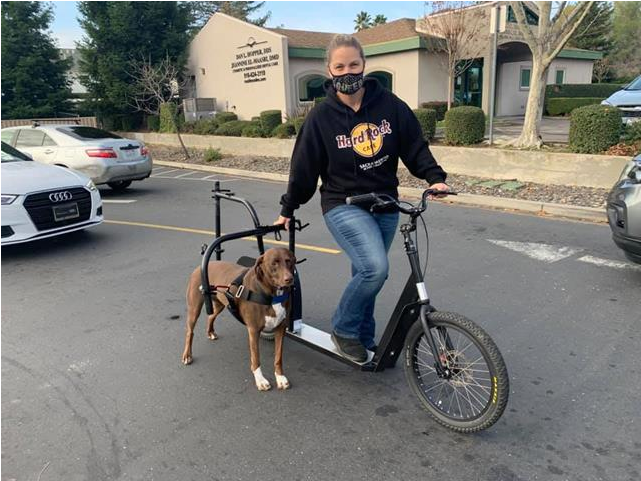
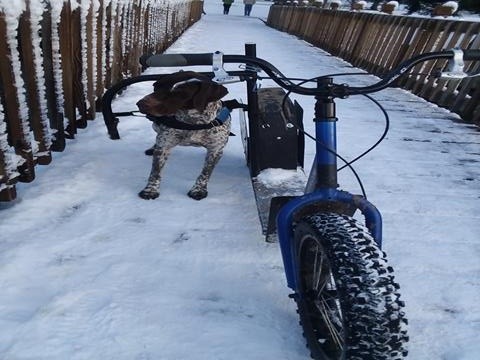
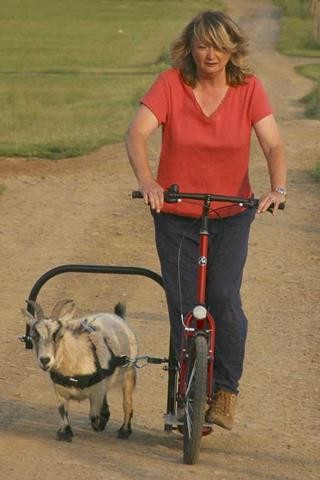
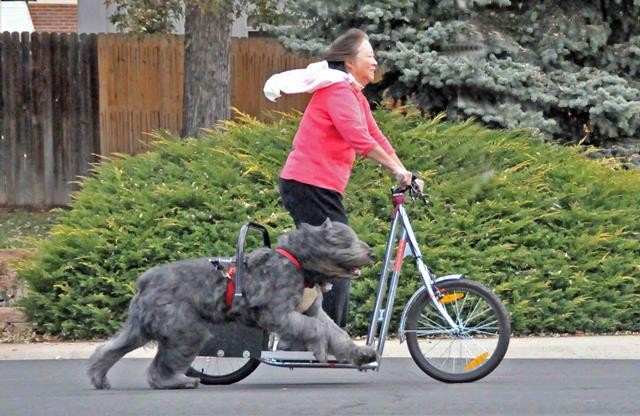
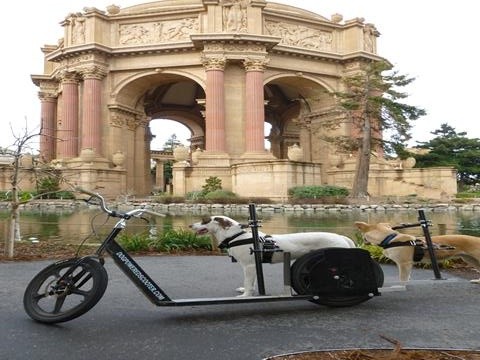
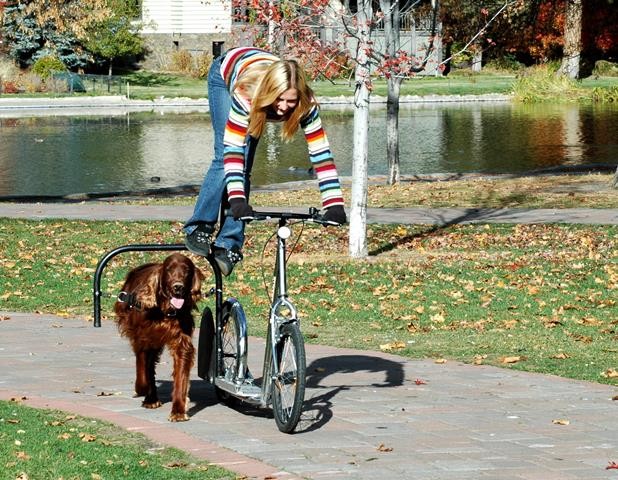
Person riding a dog powered scooter with a single dog running in the side frame.
A single‑dog setup showing the stable side‑frame design of the
dog powered scooter.

One of the most striking things in the new photos is how the dog runs in a secure side frame rather than out front. This eliminates the risk of tangles, sudden turns, or unpredictable pulling. The rider controls direction while the dog focuses on forward movement — a huge advantage for reactive, deaf, or blind dogs.

2. Built for real‑world environments
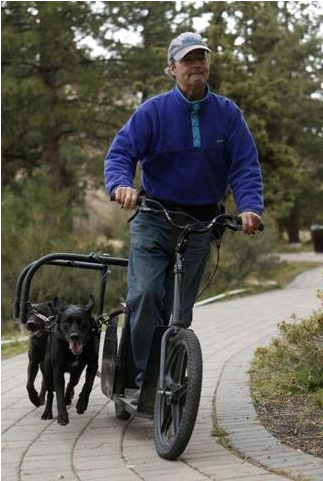
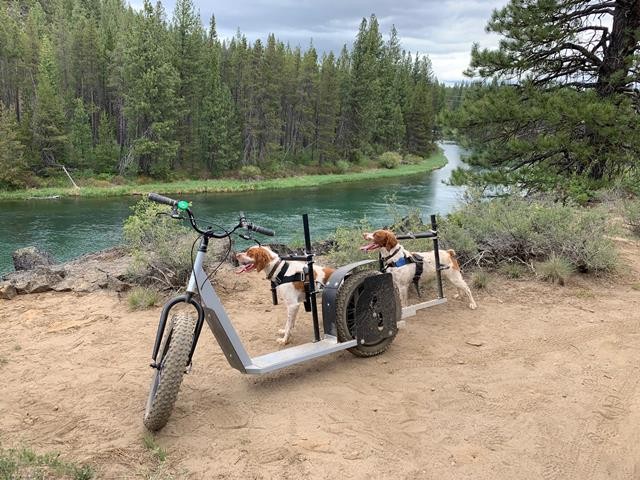
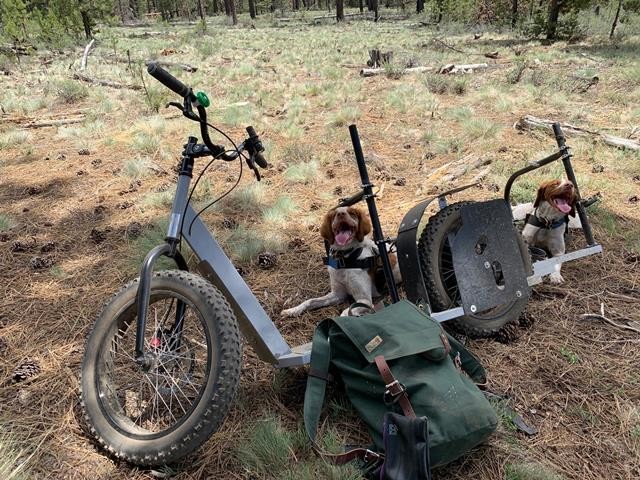
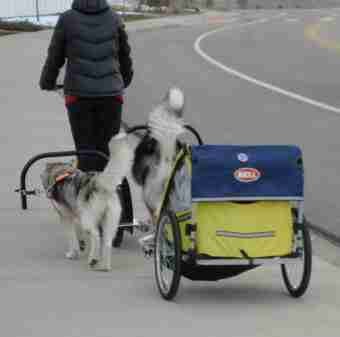
Dog powered scooter being used on a wooded trail with a dog running safely beside the rider.
The dog powered scooter on a wooded trail, demonstrating how well it handles real‑world terrain.

Another photo shows the scooter on a wooded trail, and it’s clear this setup isn’t limited to pavement. The frame stays steady, the dog stays aligned, and the rider can navigate curves and terrain without the wobble or tipping that traditional rigs sometimes struggle with.

3. Power for one dog — or a full team
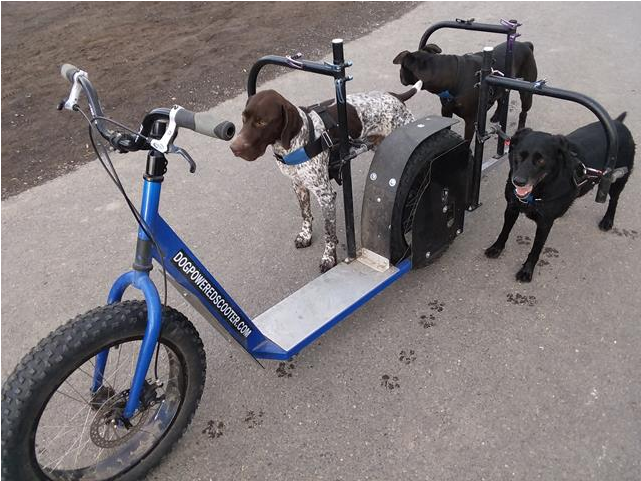
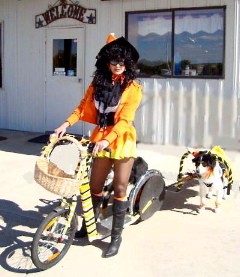
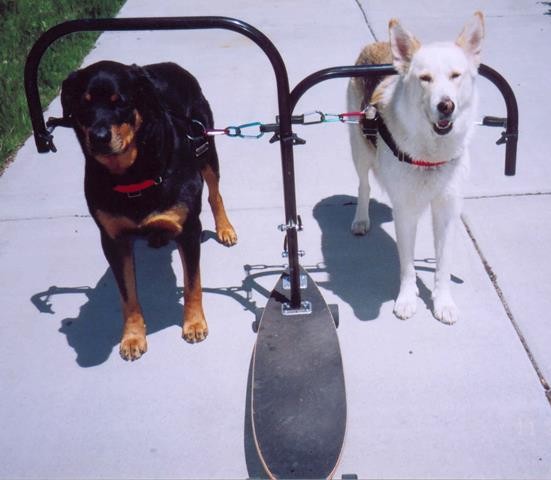
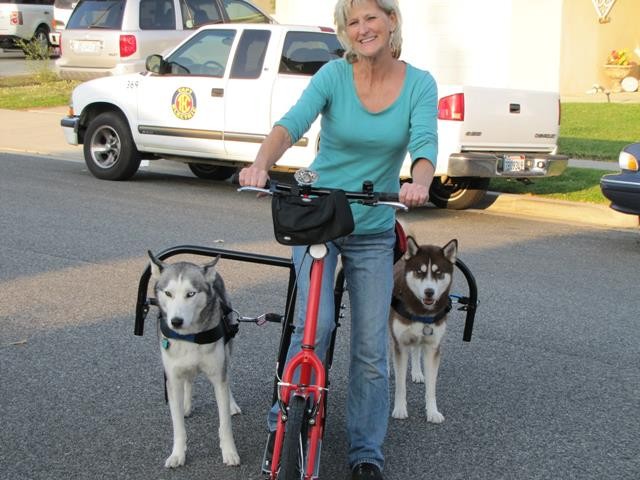
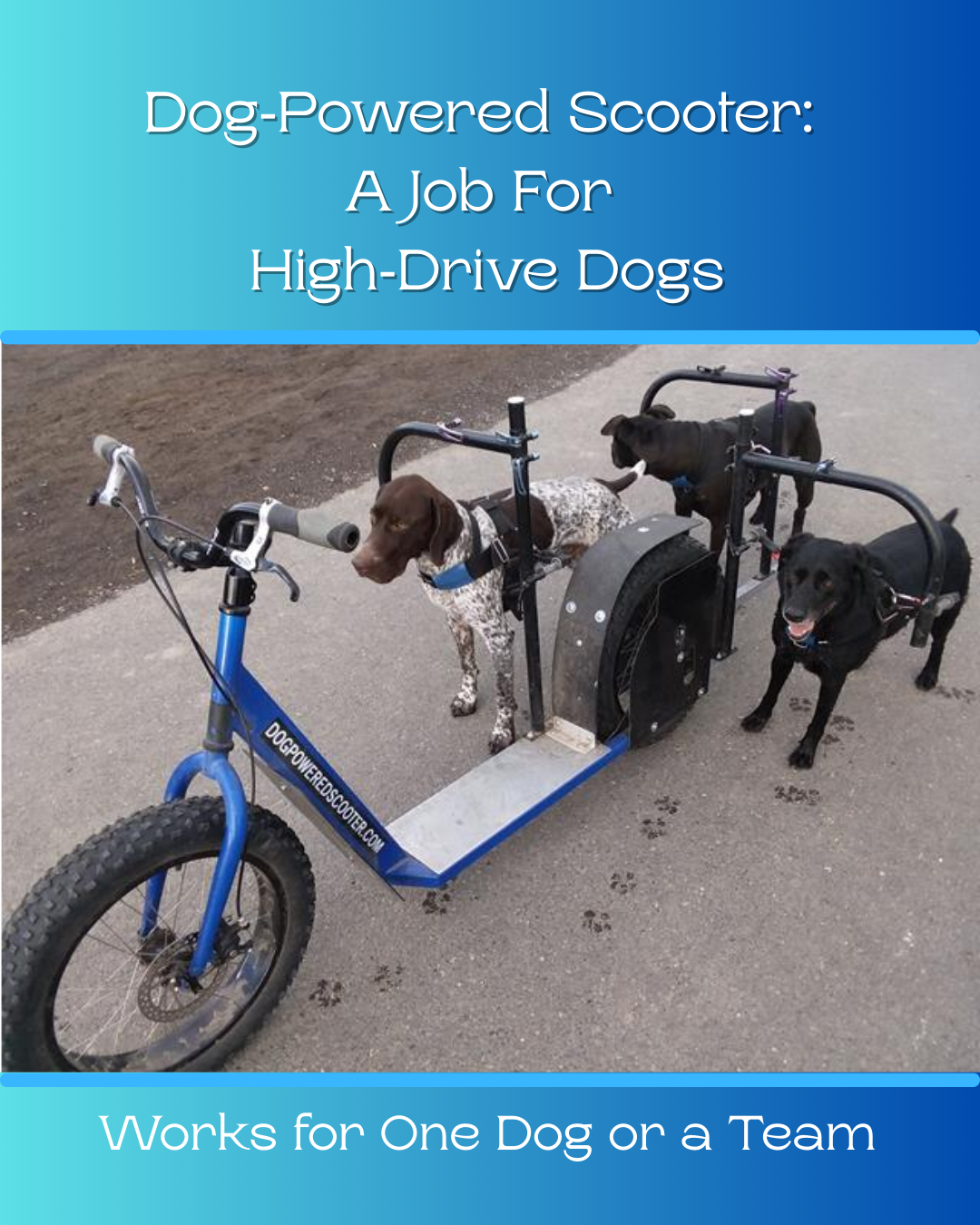
Three‑dog configuration on a dog powered scooter showing the stable side‑by‑side harness design.
A three‑dog team harnessed to the scooter, supported by the side‑by‑side frame.

The final image shows a three‑dog configuration, and it’s impressive. Each dog has its own secure harness point, and the scooter’s frame supports the team as a single unit. For people with multiple high‑drive dogs, this opens up a whole new world of safe, structured exercise.

Benefits of the Dog Powered Scooter for High‑Drive Dogs

Why This Matters for Dog Owners

If you’ve ever lived with a dog who needs a job — the kind who lights up when they have purpose — you know how transformative the right outlet can be. Mark’s scooter offers:

  • A safe way to channel working‑breed energy
  • A controlled setup for dogs who can’t be off‑leash
  • A meaningful job for dogs who thrive on movement
  • A way to “mush” even if you live in a city or snow‑free climate

It’s also one of the few mushing‑style tools that works for dogs with sensory limitations or reactivity, because the design removes the need for directional commands.

More Photos From Mark, the Inventor

After I published this update, Mark surprised me with a whole batch of new photos — seventeen in total. They show different dogs, different setups, and just how much joy this scooter brings to high‑drive pups. I’ve added them here so you can see the variety of ways dogs use the scooter in real‑world settings.
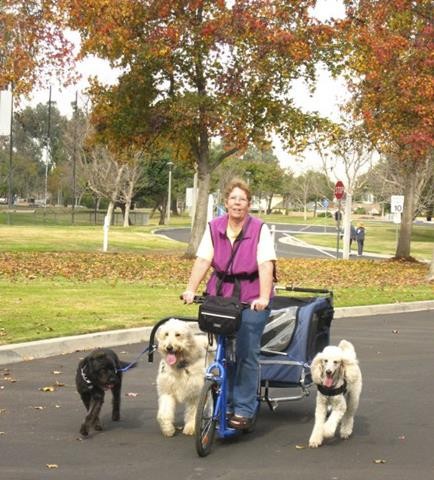
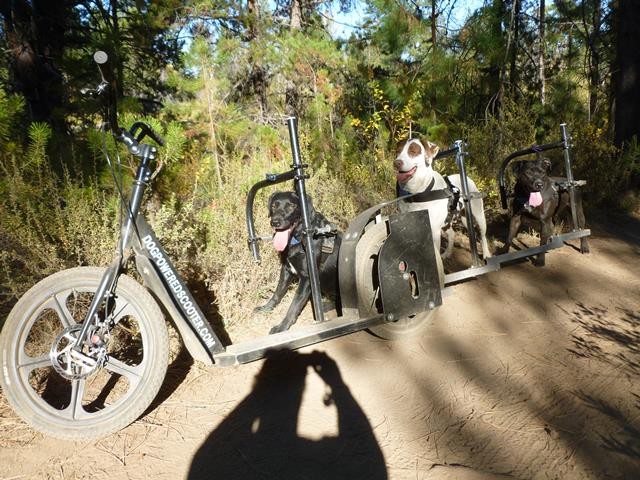
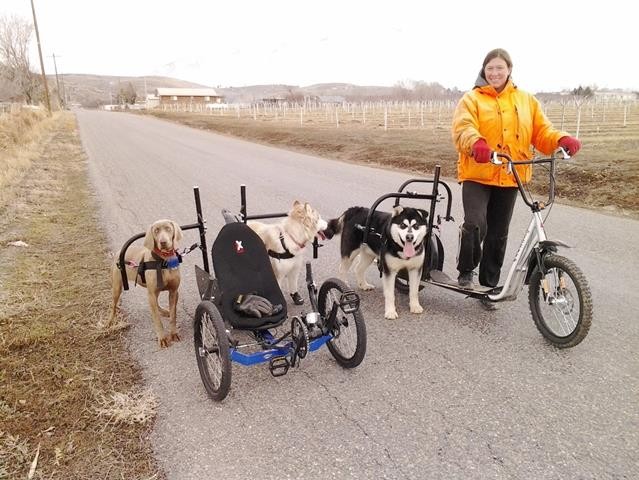
Learn More About The Dog Powered Scooter

If you want to learn more about the dog powered scooter, you can visit Mark’s website for videos and details. DOGPOWEREDSCOOTER.com

And if you missed my original post from last September, you can read it here: Dog‑Powered Scooter or Trike
🐾 Supporting a Senior Dog’s Quality of Life: What We Learned From Blue Belle’s Checkup

Caring for a senior dog is one of the most rewarding — and emotional — parts of pet parenthood. As dogs enter their golden years, their needs change, their bodies slow down, and their comfort becomes the top priority. Ultimately, her checkup reminded us that supporting the quality of life for senior dogs isn’t just about treating conditions — it’s about creating comfort, reducing stress, and helping them enjoy their days in meaningful ways.

After a recent visit with our 14‑year‑old dog Blue Belle’s oncologist, who helped guide us through her cancer survival journey, we learned that while her cancer is stable (a huge relief), she’s now facing arthritis and cataracts. Naturally, these age‑related conditions are incredibly common in older dogs, and they sparked a bigger conversation about what truly matters at this stage of life: quality of life.

In this post, we’ll share what we learned, what other pet parents should watch for, and how to support a senior dog’s comfort, mobility, and happiness.

Why Quality of Life Matters for Senior Dogs

As dogs age, the goal shifts from “treating everything” to making every day feel good. Quality of life isn’t just about medical conditions — it’s about:

  • Comfort
  • Mobility
  • Appetite
  • Sleep
  • Emotional well‑being
  • Ability to enjoy favorite activities

Veterinarians often use a Quality of Life Scale to help families make decisions. It’s a compassionate, practical tool that evaluates pain, mobility, hygiene, appetite, and overall happiness. Ultimately, when we understand what contributes to the quality of life for senior dogs, it becomes easier to make thoughtful choices that keep them comfortable and emotionally supported. You can read more about Blue Belle’s journey in her senior‑dog reflections.

Common Health Issues in Senior Dogs

1. Arthritis in Older Dogs

Arthritis affects over half of senior dogs and can cause stiffness, limping, and difficulty with stairs or getting up. Fortunately, several simple adjustments can help:

  • Soft, supportive bedding
  • Ramps or stairs for furniture and cars
  • Gentle, low‑impact exercise
  • Warmth (senior dogs love heated beds)
  • Vet‑recommended pain management options

2. Cataracts and Vision Loss

Cataracts can cloud a dog’s vision and make navigation harder. To help, try:

  • Keeping furniture in consistent places
  • Night lights for dark hallways
  • Clear verbal cues
  • Avoiding sudden changes in the environment

3. Slowing Down in General

Senior dogs may sleep more, walk slower, or lose interest in long outings. Even so, this is normal — and it’s okay to adjust expectations.

How to Improve the Quality of Life for Senior Dogs

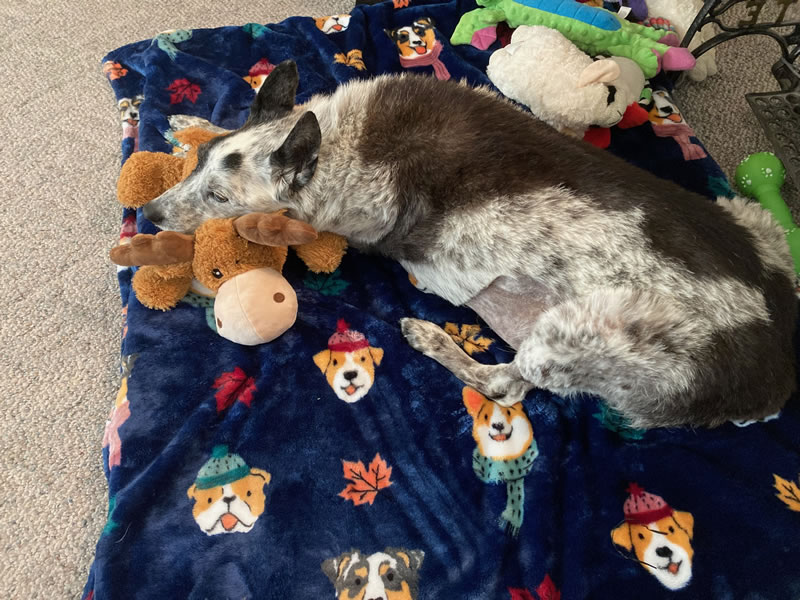
Senior dog resting on a heated pet pad with a dog blanket and plush toys, showing comfort and care for senior dog quality of life.
Blue Belle enjoying a cozy moment on her heated pet pad, surrounded by her favorite plush toys.

1. Pain Management for Improving Quality of Life

Pain is one of the biggest factors affecting quality of life. For that reason, talk to your vet about:

  • Medications
  • Joint supplements
  • Acupuncture or laser therapy
  • Physical therapy

2. Mobility Support for Senior Dog Quality of Life

Small changes make a big difference. For example:

  • Non‑slip rugs
  • Raised food bowls
  • Harnesses with handles
  • Shorter, more frequent walks

3. Sensory Support

For dogs with cataracts or hearing loss, simple adjustments can help:

  • Use scent cues
  • Keep routines predictable
  • Add tactile markers (like mats) near stairs or doors
Continue reading

🐾 When You’ve Loved Me a Long Time: A Senior Dog’s View on Cancer

This senior dog cancer story is written from Blue Belle’s perspective — a 14‑year‑old Australian Shepherd/Blue Heeler mix we rescued when she was just a year old. She’s lived with cataracts, thyroid issues, arthritis, and now cancer, but through it all, she’s taught us what love and resilience really look like.


Senior Dog Cancer Story: Lessons I’m Learning 🐾❤️

I’ve been with you for many seasons now. I’ve watched your hair change, your routines shift, your heart grow softer. You’ve watched me slow down, turn gray around the muzzle, and trade zoomies for sunbeams.

So when cancer entered our lives, it didn’t feel like a sudden storm. It felt like another chapter — one we’d face the same way we’ve faced everything else. Together.

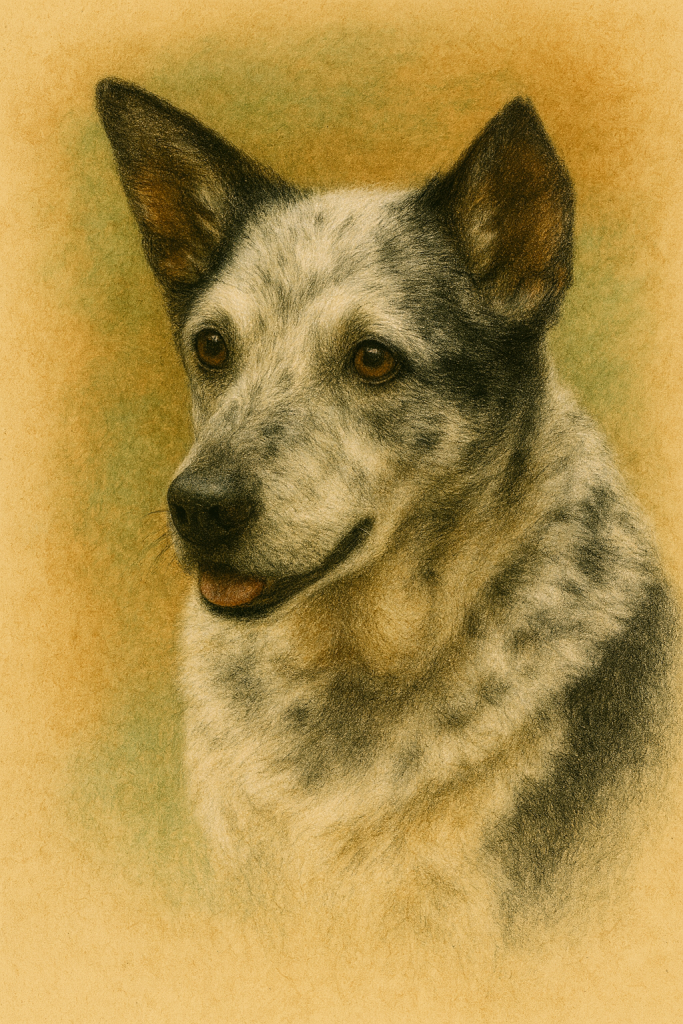
Blue Belle senior dog sketch – senior dog cancer story

I’ve Learned My Body’s Language Over the Years 🐶

When I was young, I bounced back from everything. A stumble, a tummy ache, a long hike — no problem.

But now, as a senior dog, I notice the small things more:

  • A stiffness that lingers
  • A lump that wasn’t there before
  • A tiredness that doesn’t fade after a nap

I didn’t know the word cancer, but I knew something inside me had changed.

You Noticed Too — Because You Always Do 🐾

Your hands have memorized every inch of me. You know the old scars, the soft spots, the places I love to be scratched.

So when you found that lump, I felt your breath catch. You tried to stay calm for me, but I’ve known you a long time. I felt your worry settle into the room like a shadow.

But I also felt your resolve. You’ve always been my protector, and you didn’t hesitate.

The Vet Visits Felt Different This Time 🩺

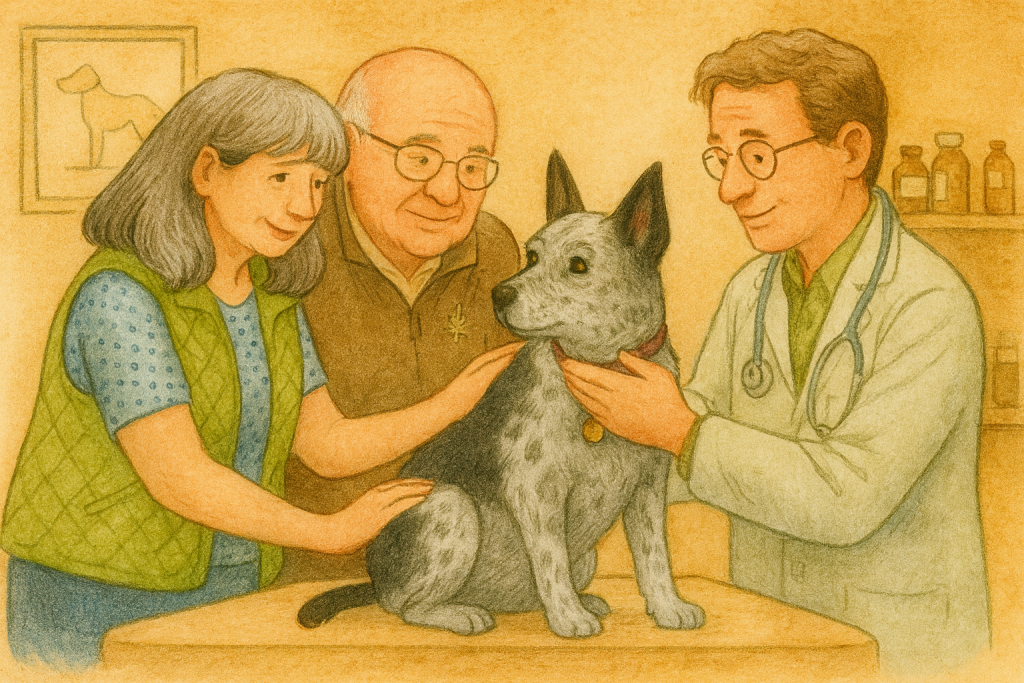
Blue Belle at the vet with her family – senior dog cancer story

I’ve been to the vet many times in my life — for shots, checkups, silly injuries from my younger days. But this was different. More tests. Quiet conversations that lasted longer than usual. Gentle hands on my fur.

I didn’t understand the medical words, but I understood your voice. You spoke to me with the same love you’ve always had, but now with a tenderness that said, I’m right here. I won’t leave you.

Continue reading