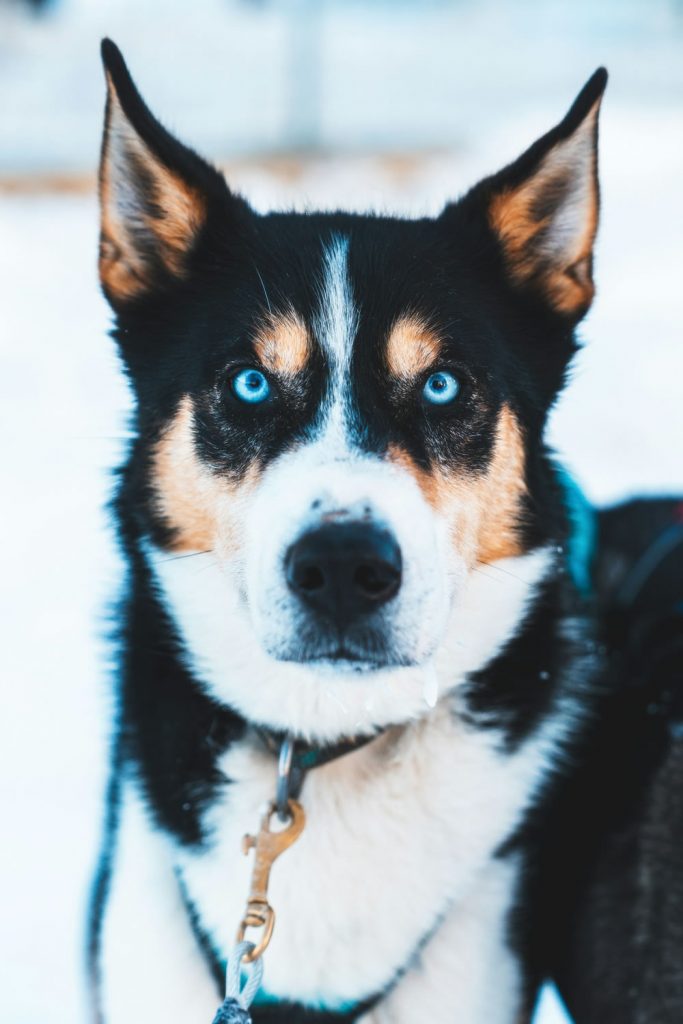
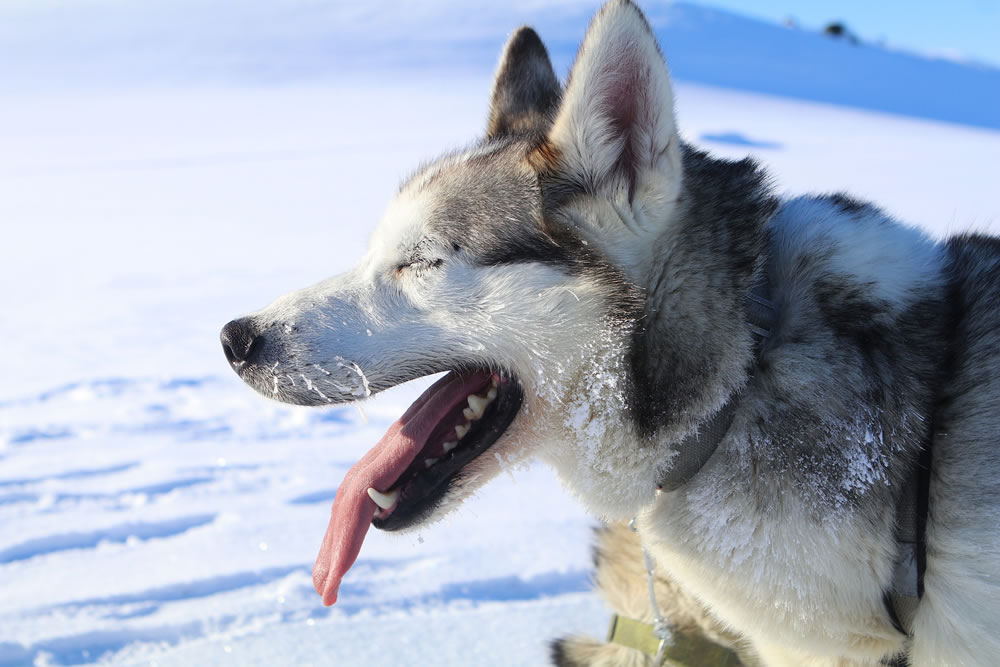
This little glimpse into sled dog life begins on a cold Alaska morning. From the start, you might think being a sled dog is all about running fast and looking heroic in photos. And sure — I do look heroic, especially when the frost settles on my whiskers just right. But there’s a whole world behind the scenes of a sled-dog team, and I’m here to tell you what it’s really like.
Sled Dog Life: Frosty’s View From the Trail
The Heart of Sled Dog Life
I’m Frosty Whiskers — lead dog, trail philosopher, and occasional snow‑snack connoisseur. Pull up a bale of straw and get comfortable. Let me show you my world.
❄️ Morning: When the Sky Is Still Blue‑Gray and Quiet
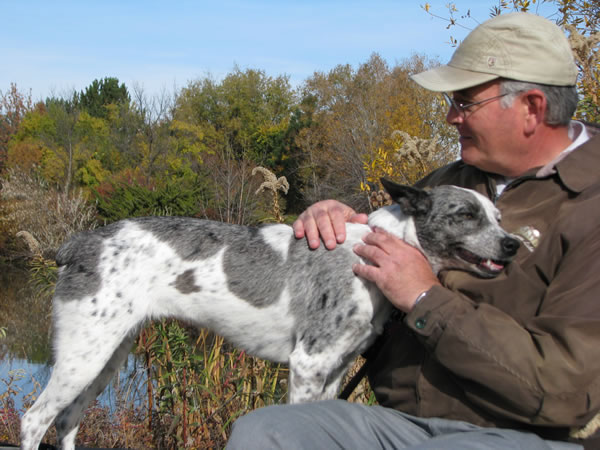
By the time the first hint of Arctic dawn brushes the snow, we’re already stretching, shaking off the night’s frost, and checking in with each other. Meanwhile, the humans are still waking up slow. Image by Ma_Frank from Pixabay
For instance, a good team starts the day with tail wags, nose boops, and a few playful shoulder bumps. It’s our version of morning coffee — except we don’t spill it.
The musher emerges bundled like a walking sleeping bag. We pretend not to laugh. It’s too early for them to know we’re laughing anyway.
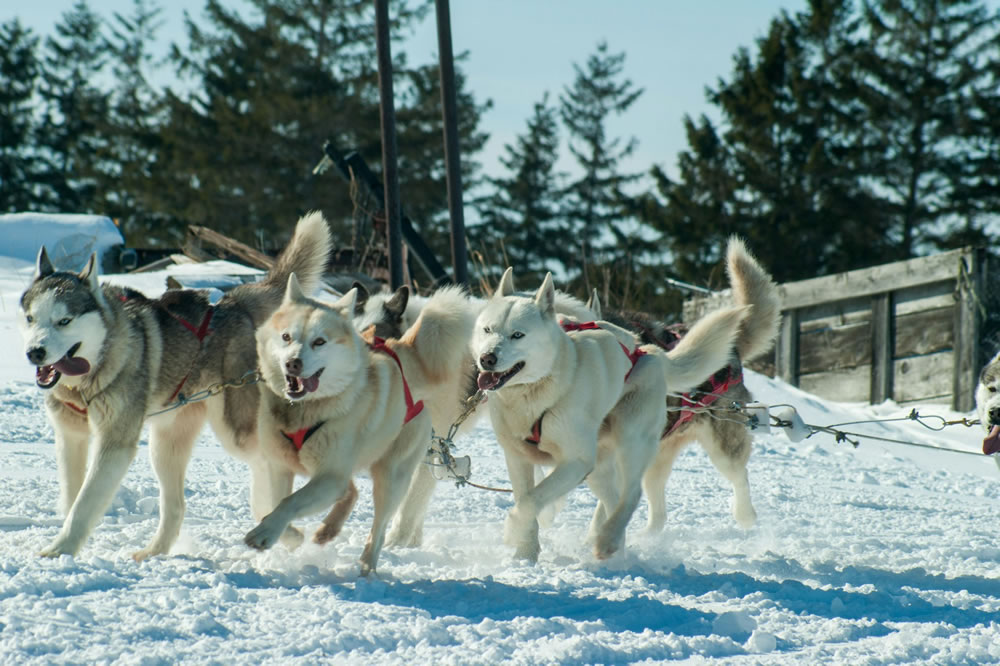
🐾 Harness Time: The Sound That Makes Our Hearts Dance
There’s a moment — a tiny, magical moment — when the musher reaches for the harnesses. Everything changes.
We erupt. Then we hop. A heartbeat later, we howl. Soon we’re wiggling like we’re made of springs.
Even the dignified old-timers, the ones who pretend they’re above such things, can’t help but bounce. The harness doesn’t just mean running. It means purpose. It means teamwork. And most of all, it means we’re about to fly.
Dogs experience stress just like we do — but they rarely show it in ways humans immediately recognize. Their early signals are subtle, quiet, and easy to overlook, especially when life gets busy. And yet those small cues matter. They’re your dog’s way of saying, “Something doesn’t feel right.”
This post lays the foundation for the entire Dog Stress Relief series. By understanding what stress looks like, why it happens, and how it affects your dog’s body and mind, you’ll be better equipped to support them with confidence, compassion, and calm. Whether you’re caring for a senior dog, a rescue, or a sensitive soul like Blue Belle, these insights will help you see your dog’s world through gentler, more informed eyes.
Stress in Dogs – Overview and Early Signs
Stress is the body’s natural response to anything that feels threatening, confusing, or overwhelming. It’s not “bad behavior” — it’s biology. Many of these early cues overlap with what people think of as dog anxiety signs, but they’re actually your dog’s first attempts to communicate discomfort.
Short‑term stress is normal. However, chronic stress is not — and it can quietly erode a dog’s emotional and physical well‑being.
Dogs often hide their stress because, in the animal world, showing vulnerability can be risky. That’s why learning to read their early signals is so important.
Common Causes of Stress in Dogs
Stress in dogs can come from many directions. Some are obvious; others are surprisingly small but meaningful to a sensitive dog. Understanding what triggers these dog anxiety signs helps you respond with empathy instead of frustration.
Environmental Triggers of Stress in Dogs
Loud noises (thunder, fireworks, construction)
Sudden changes in lighting or temperature
Visitors or unfamiliar scents
Busy or chaotic environments
Routine Changes
Moving homes
Schedule shifts
New pets or people
Travel or boarding
Social Stress
Unfamiliar dogs
Crowded dog parks
Overhandling or unwanted touch
Confusing social situations
Health‑Related Stress
Pain
Illness
Aging
Sensory decline (vision, hearing)
Emotional Stress
Separation from their person
Boredom
Lack of enrichment
Feeling unsafe or unsure
Ultimately, understanding the ‘why’ behind your dog’s stress helps you respond with empathy instead of frustration.
Blue Belle’s First Big Trip (A Lesson in Canine Stress)
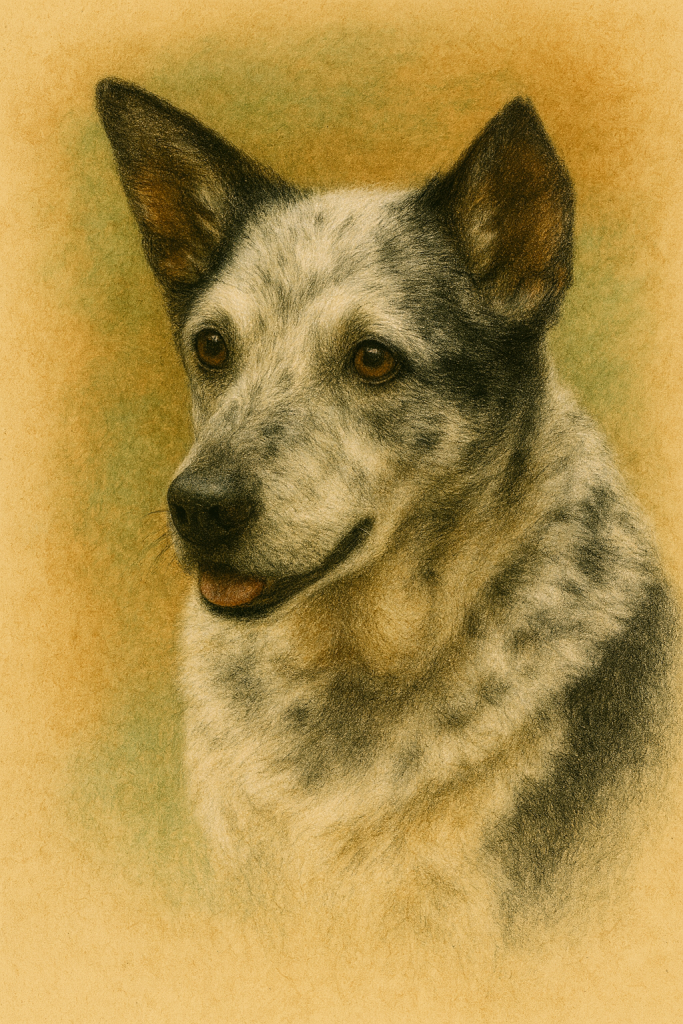
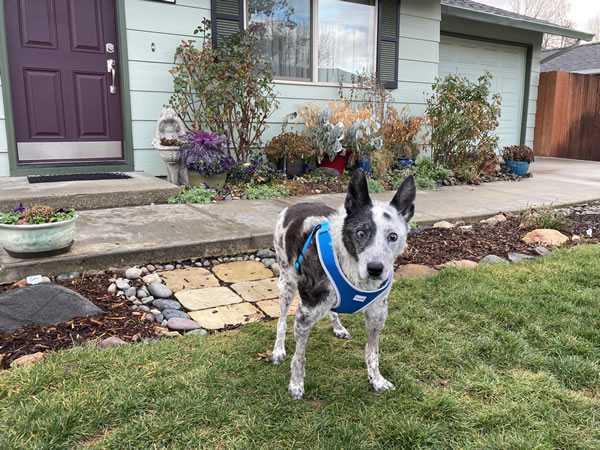
One of our first days with Blue Belle — she was already part of the family.
When we first adopted Blue Belle, we drove across Idaho to Wyoming to meet her. We stayed overnight, picked her up the next morning from Lucky’s Place, and she was so excited to hop into our car. However, excitement and stress often look similar in dogs.
A few hours into the drive, we stopped at a little store. I opened my door, and before I realized it, she darted out and ran around the car. It startled me — I could have closed the door without realizing she was there. After that, we were extra careful.
We stopped often so she could stretch and go potty, but she was too nervous to relieve herself. It wasn’t until we were just fifteen minutes from home — after nearly ten hours of travel — that she finally felt safe enough to go. In fact, that moment taught us how deeply stress can affect a dog’s body.
This senior dog cancer story is written from Blue Belle’s perspective — a 14‑year‑old Australian Shepherd/Blue Heeler mix we rescued when she was just a year old. She’s lived with cataracts, thyroid issues, arthritis, and now cancer, but through it all, she’s taught us what love and resilience really look like.
Senior Dog Cancer Story: Lessons I’m Learning 🐾❤️
I’ve been with you for many seasons now. I’ve watched your hair change, your routines shift, your heart grow softer. You’ve watched me slow down, turn gray around the muzzle, and trade zoomies for sunbeams.
So when cancer entered our lives, it didn’t feel like a sudden storm. It felt like another chapter — one we’d face the same way we’ve faced everything else. Together.
I’ve Learned My Body’s Language Over the Years 🐶
When I was young, I bounced back from everything. A stumble, a tummy ache, a long hike — no problem.
But now, as a senior dog, I notice the small things more:
A stiffness that lingers
A lump that wasn’t there before
A tiredness that doesn’t fade after a nap
I didn’t know the word cancer, but I knew something inside me had changed.
You Noticed Too — Because You Always Do 🐾
Your hands have memorized every inch of me. You know the old scars, the soft spots, the places I love to be scratched.
So when you found that lump, I felt your breath catch. You tried to stay calm for me, but I’ve known you a long time. I felt your worry settle into the room like a shadow.
But I also felt your resolve. You’ve always been my protector, and you didn’t hesitate.
The Vet Visits Felt Different This Time 🩺
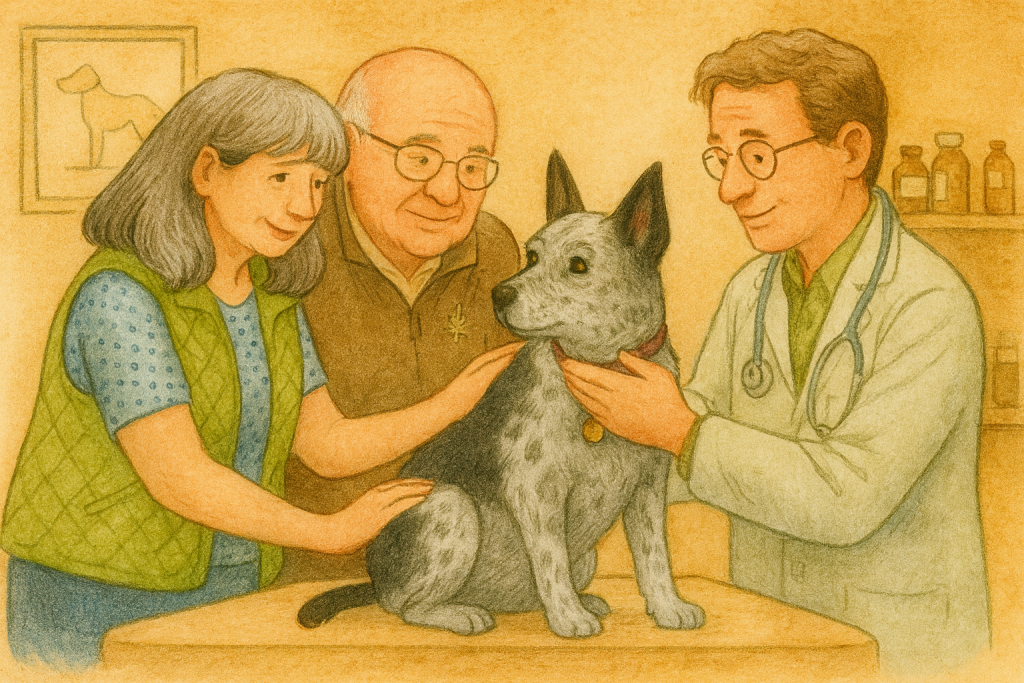
I’ve been to the vet many times in my life — for shots, checkups, silly injuries from my younger days. But this was different. More tests. Quiet conversations that lasted longer than usual. Gentle hands on my fur.
I didn’t understand the medical words, but I understood your voice. You spoke to me with the same love you’ve always had, but now with a tenderness that said, I’m right here. I won’t leave you.
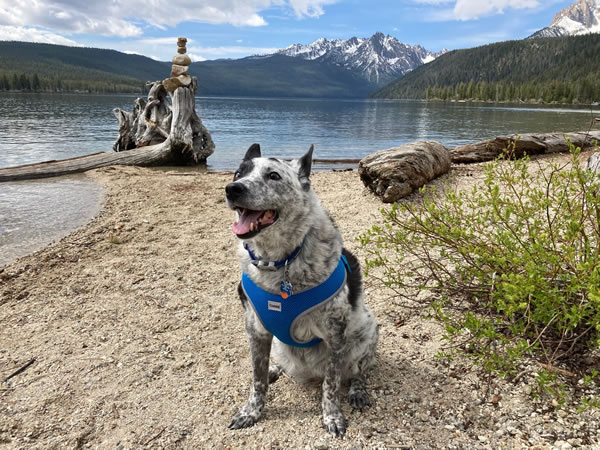
Blue Belle at Idaho’s Redfish Lake, before her vision changed—still curious, still confident, still herself.
Caring for a dog who is losing their vision can feel overwhelming at first, and we quickly found ourselves searching for simple, loving ways to support Blue Belle as her eyesight changed. Many dogs adapt beautifully to vision loss, as explained in this guide from the American Kennel Club. If you’ve ever wondered how to help a blind dog feel safe and confident at home, you’re not alone. Blind and vision‑impaired dogs adjust remarkably well with just a few thoughtful changes, and many of those adjustments are easier than you might expect.
As Blue Belle’s cataracts progressed, we learned how much small environmental tweaks—soft lighting, cushioned edges, predictable pathways, and gentle guidance—could transform her daily comfort. Here we’re sharing the simple, practical steps that helped Blue Belle navigate her world with confidence—tips that may help your blind or vision‑impaired dog as well.
Blue Belle has been part of our lives for more than a decade, and many of the lessons we’ve learned about caring for senior and vision‑impaired dogs come directly from her journey. If you’d like to explore more of her stories, you can read about her early adventures or how she adapted to new routines as her vision changed.
Best Night‑Light Solutions for Blind or Vision‑Impaired Dogs 🌙
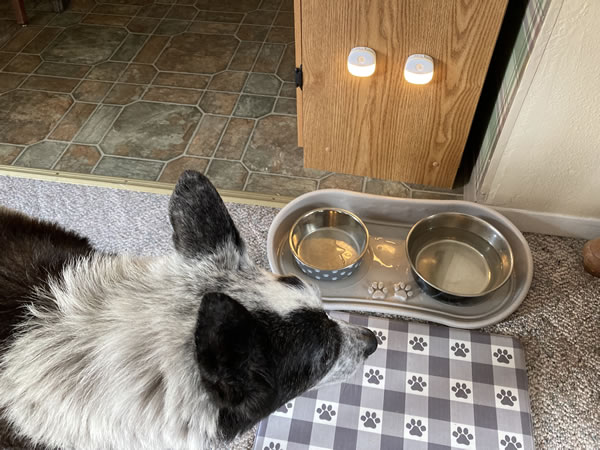
One of the first challenges we noticed was nighttime navigation. Blue Belle could still find her water dish, but she sometimes hesitated or bumped into things on the way. We wanted to give her a gentle visual cue without flooding the house with bright lights. So we started with with AUVON Rechargeable Battery Night Lights—the little motion‑sensor ones. Two of them went right above her food and water dishes and they were perfect:
They turn on automatically when she approaches
They’re rechargeable
They give off a warm, soft glow that doesn’t startle her
We liked them so much that we added more in the bedroom where she sleeps. Then we picked up a couple of DORESshop plug‑in night lightsfor other areas of the house. These stay on at a low level and brighten as needed, which helps her orient herself without any sudden glare.
It’s amazing how much confidence a few thoughtfully placed lights can give a dog who can’t rely on her eyes the way she used to.
How to Make Your Home Safe for a Blind Dog
Seeing these small changes together, one of the first areas we focused on was making our living room safer for Blue Belle.
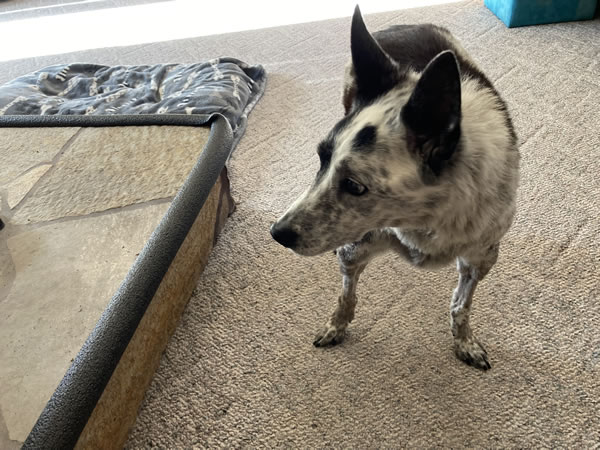
Our wood‑stove hearth has beautiful stonework—but sharp corners. Once Blue Belle’s vision declined, we realized those edges were a real hazard. We didn’t want her to get hurt just walking through her own living room.
Our solution was wonderfully simple: slit pipe insulation. We wrapped it around the stone edges, creating a soft bumper. It blended in better than we expected, and more importantly, it worked.
The very next day, Blue Belle bumped into the hearth. Instead of a painful impact, she just bounced off the padding and kept going. We looked at each other with so much relief. That little foam bumper earned its place in the house forever.
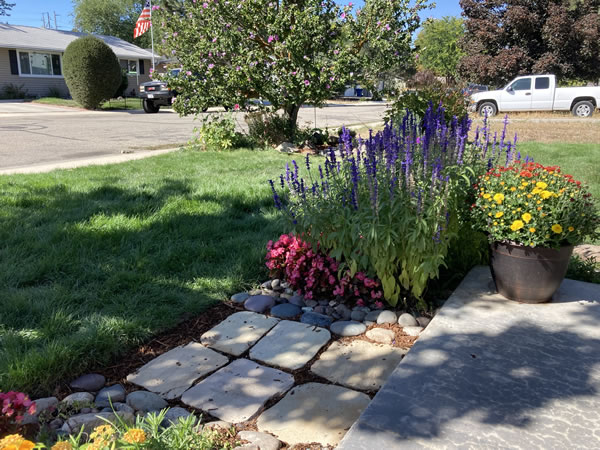
Once we had her indoor spaces protected, our attention naturally shifted to the outdoors—another place where small changes made a big difference. We began looking at how to help a blind dog explore the outdoors with confidence.
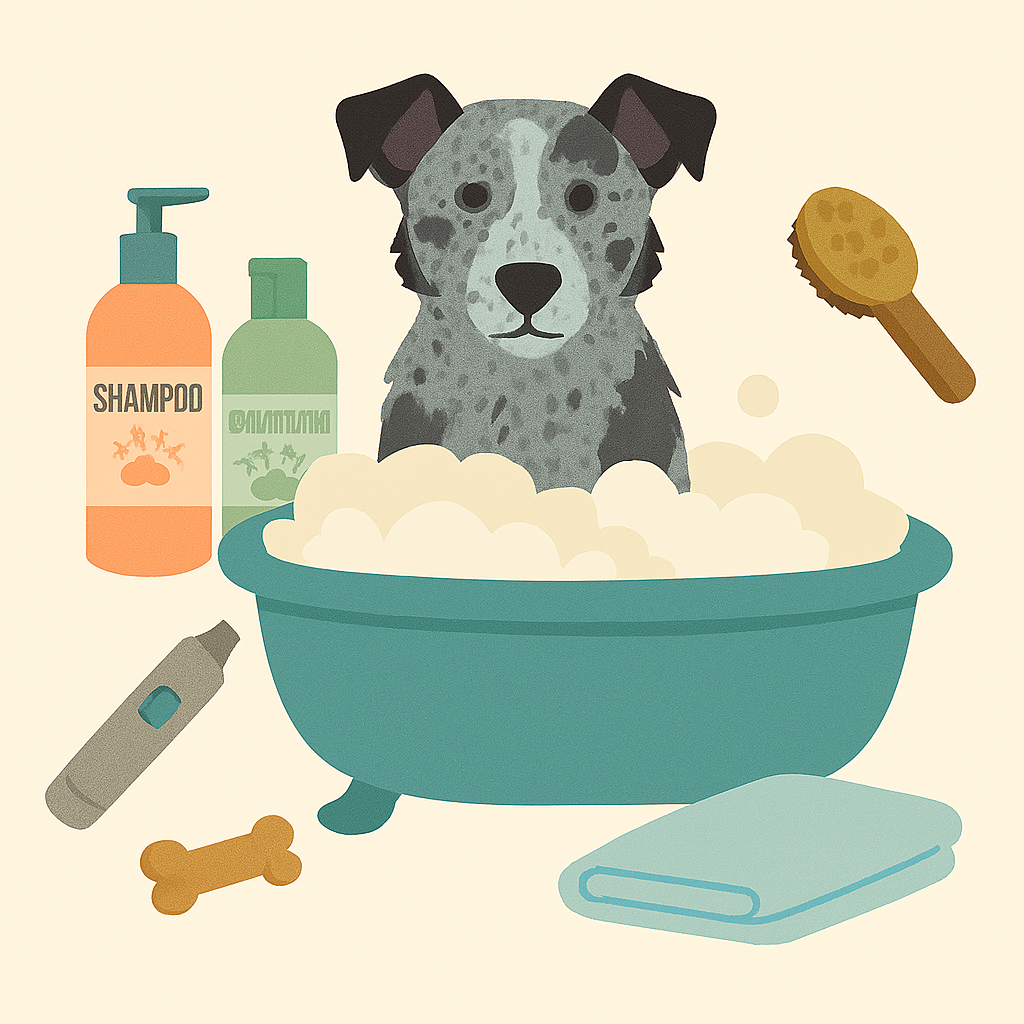
🛁 A Senior Pup’s Spa Day: Blue Belle’s DIY Dog Bath Time Adventure
Hello friends, it’s me – Blue Belle, your resident senior lady with a soft coat, a wise soul, and a deep appreciation for snacks. Today I’m here to tell you all about my DIY dog bath routine. Yes … bath day. A whole event. A production. A journey.
Mom says it keeps me clean, comfortable, and healthy. I say it keeps me slightly inconvenienced but extremely well-treated, so I suppose we both win.
Step 1: The Tub Is Prepared (and So Am I)
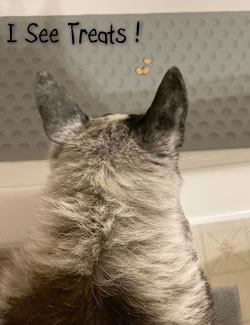
First, before anything happens, Mom puts a big cushy bath mat in the tub. She says it helps my senior paws feel steady and safe. I appreciate this. My joints appreciate this. My dignity appreciate this.
Then she does the most important part: She places a treat in the tub. A whole treat. Just sitting there. Waiting for me. I pretend to think about it — you know, for dramatic effect — but really, I’m already halfway in.
🛒 Amazon Picks: Non-Slip Bath Mat & Blue Belle’s Favorite Grain-free Dog Treats
Next, Mom helps me climb into the tub. I’m a senior girl, so she supports my hips and tells me I’m doing great. I like when she says that. I am doing great.
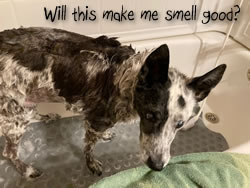
Once I’m settled, she uses her special spray nozzle — the one that feels like warm rain. Not too loud, not too splashy. Just right for a refined lady like me.
Step 3: DIY Dog Bath Shampoo, Conditioner, and Compliments
After that, Mom lathers me up with good dog shampoo — the kind that makes my coat soft and my skin happy. Then comes the conditioner. I don’t know what conditioner is, but it smells nice and makes Mom say things like:
“You’re such a good girl, Blue Belle.”
I hear that a lot during bath time. I never get tired of it.
If your pup struggles with dog fireworks anxiety, you’re not alone. Even confident dogs can panic when the sky starts cracking open with sound.Helping dogs with fireworks anxiety is something every pet parent can learn.
A Blog Post by Blue Belle the Very Brave (and Very Cute) Dog
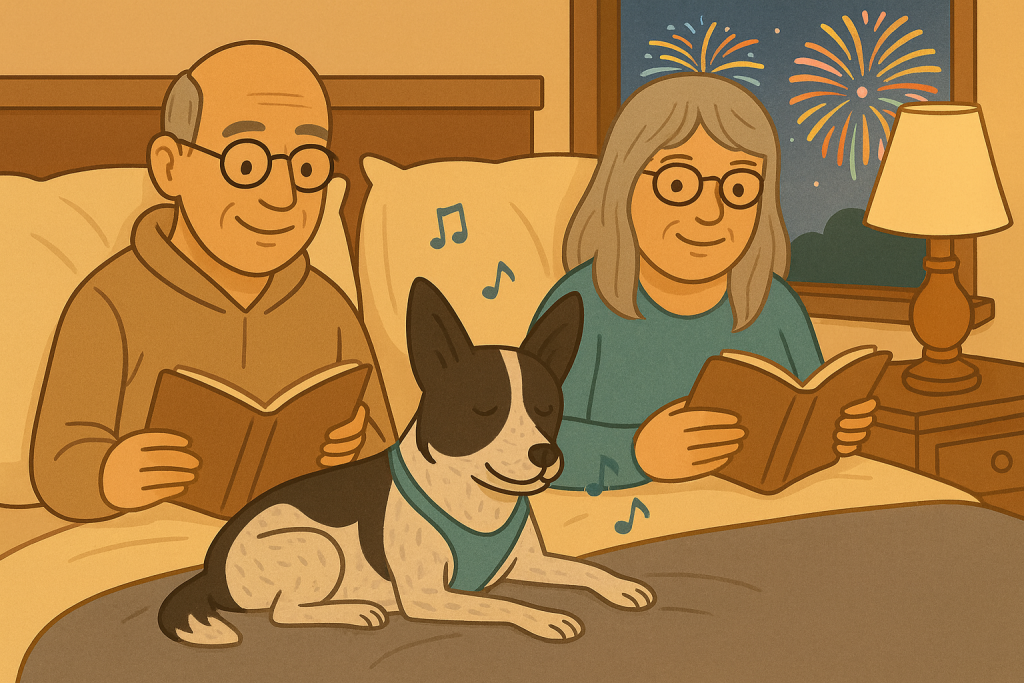
Before we let Blue Belle take over the keyboard, here’s a little context from her humans. She’s been part of our family for many years — a senior pup, a cancer survivor, and the bravest little soul we know. But if there’s one thing she has never made peace with, it’s fireworks. Over the years, we’ve helped her through the booms and crackles with gentle support and natural remedies like Rescue Remedy, recommended by our vet. This year, we’re adding something new to her comfort toolkit: calming music. And in true Blue Belle fashion, she has a lot to say about it.
Hello, friends. It’s me — Blue Belle. Professional snuggler. Treat connoisseur. And, apparently, now a blogger. I know. I contain many talents. For more about Blue Belle’s journey, you can read her adoption story here.
Today I want to talk about something important: FIREWORKS. Or as I like to call them: The Sky Is Angry And Nobody Warned Me.
Dog Fireworks Anxiety
Every year, humans gather to watch bright explosions and say things like “Ooooh!” and “Aaaah!” Meanwhile, I’m wishing we had a coffee table I could hide under and wondering if we should evacuate.
But this year, my humans tried something new: relaxing music for dogs.
🎧 “Blue Belle, does the music actually help?”And I have thoughts.
Short answer: Yes… mostly. Long answer: Let me explain, because I’m a dog with nuance.
When the fireworks start, the booms feel big and unpredictable. They make my heart race and my paws sweat (don’t judge me). But when my humans turn on calming music — the kind with soft piano, gentle whooshing sounds, and absolutely zero barking — something interesting happens. At least I hope so, this is the first year we will give this a try.
The scary noises don’t feel as sharp. The room feels safer. And I can focus on the steady, soothing sounds instead of the chaos outside. (That’s what they tell me.)