Update: A Closer Look at the Dog‑Powered Scooter — With New Photos From the Inventor

Last September, I shared my first impressions of a unique invention designed for dogs who live to run and pull. Since then, something special happened: the inventor, Mark, reached out to me directly. He sent an update, along with three new photos that show just how far this design has come — and how beautifully it works in real‑world settings. This update takes a closer look at the dog powered scooter, including new photos and insights directly from the inventor.

Mark has spent years refining this scooter to create a safe, intuitive way for high‑drive dogs to do what they love most. His passion for urban mushing shines through in every detail. Here’s how he describes it:

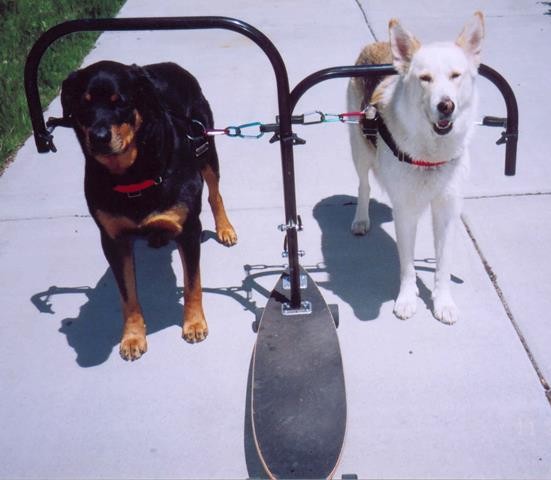
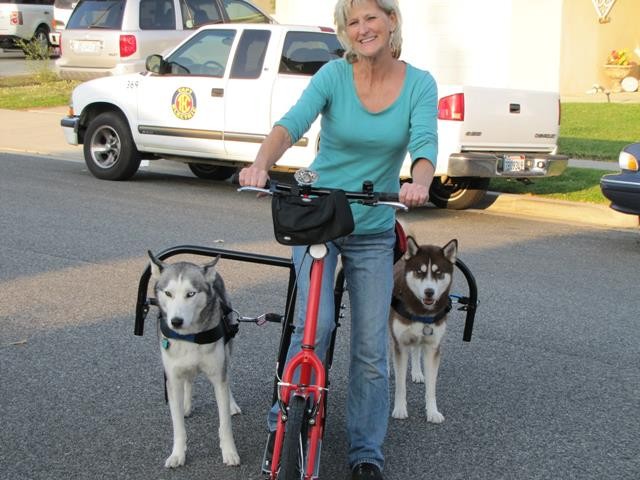
“Best outlet for a high‑drive runner and puller of a dog/dogs! It’s urban mushing perfected — on or off road. No commands needed since the dogs are behind the steering wheel and can only go forward. You don’t crash with this design since the 2‑point clip‑in adds stability to the scooter, and the scooter supports the dogs so the rider and dogs and scooter become one. Up to 3 dogs can fit on the scooters we make. Sales are about even with 1/2 women and 1/2 men. It’s all quality parts that will last a lifetime. It’s great for even high‑drive aggressive, deaf, and/or blind dogs. It does great off‑road and it’s the only safe way to mush in the city!”

Because the scooter keeps dogs aligned and supported, it can be a safe option for blind dogs. I’ve also written a guide on helping blind dogs navigate home and outdoor spaces.

Dog Powered Scooter: What’s New in This Update — and What the Photos Reveal

The dog powered scooter has evolved since my original post, and the new photos show how stable and intuitive the design really is.

1. A stable, side‑by‑side design that keeps everyone safe

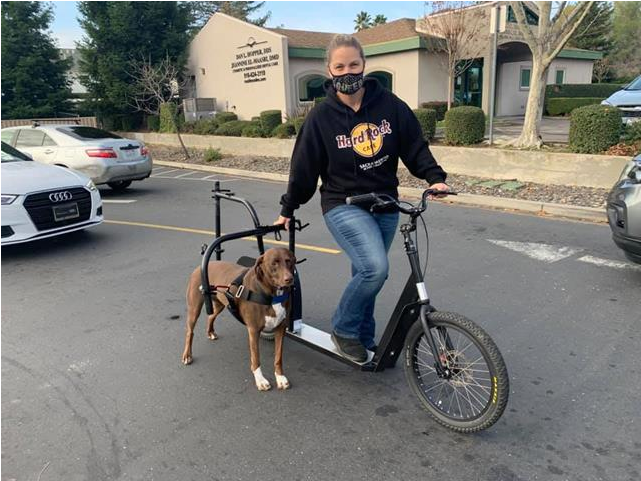
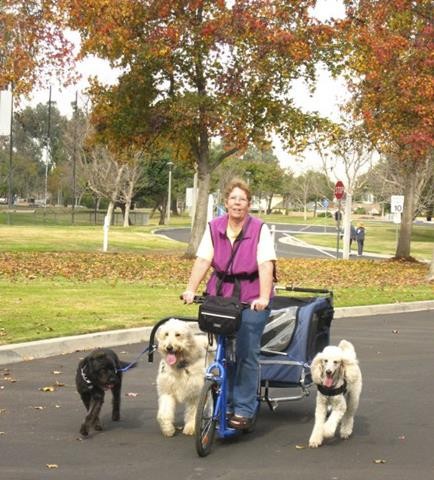
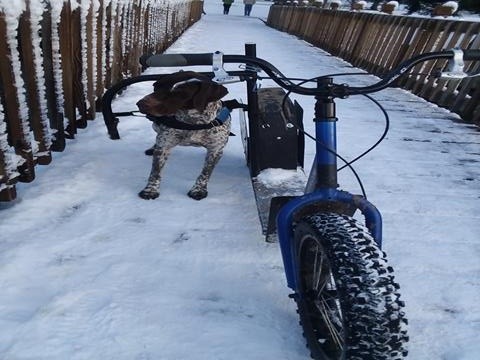
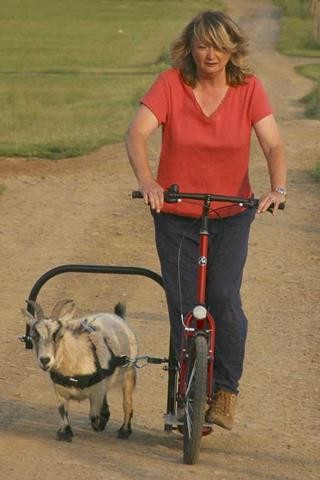
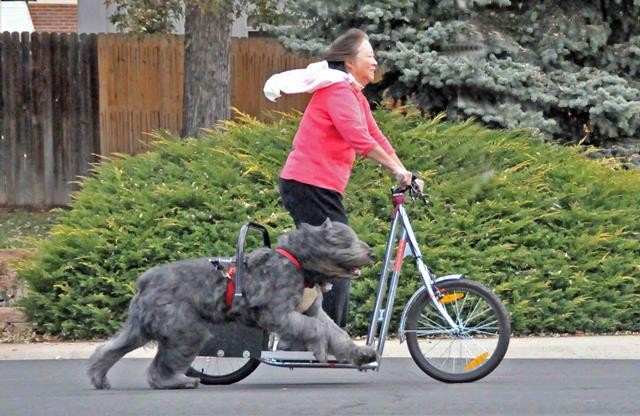
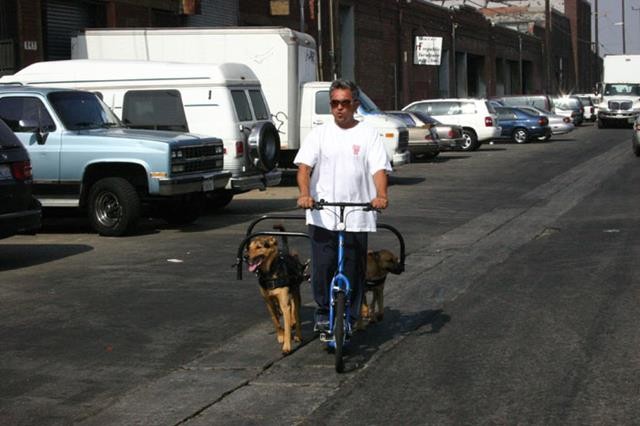
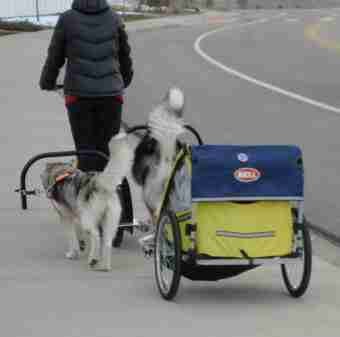
Person riding a dog powered scooter with a single dog running in the side frame.
A single‑dog setup showing the stable side‑frame design of the
dog powered scooter.

One of the most striking things in the new photos is how the dog runs in a secure side frame rather than out front. This eliminates the risk of tangles, sudden turns, or unpredictable pulling. The rider controls direction while the dog focuses on forward movement — a huge advantage for reactive, deaf, or blind dogs.

2. Built for real‑world environments

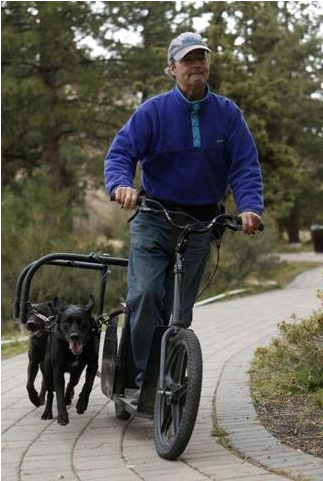
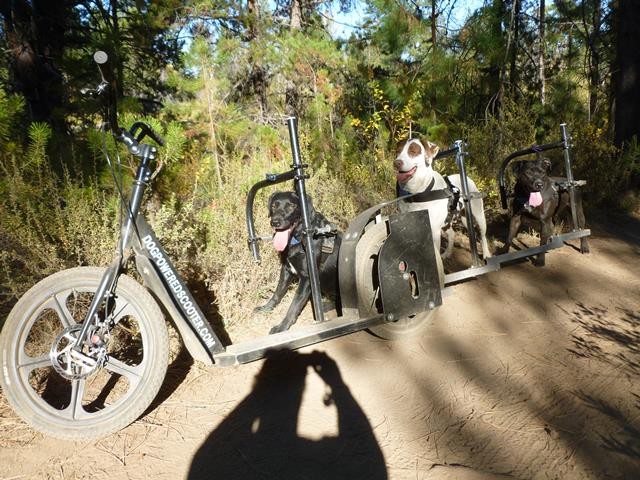
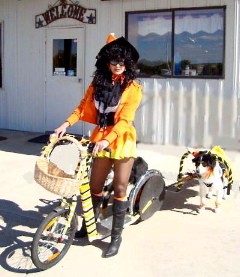
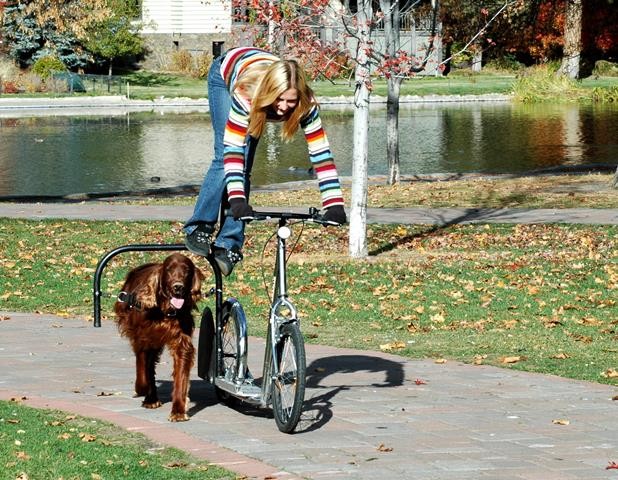
Dog powered scooter being used on a wooded trail with a dog running safely beside the rider.
The dog powered scooter on a wooded trail, demonstrating how well it handles real‑world terrain.

Another photo shows the scooter on a wooded trail, and it’s clear this setup isn’t limited to pavement. The frame stays steady, the dog stays aligned, and the rider can navigate curves and terrain without the wobble or tipping that traditional rigs sometimes struggle with.

3. Power for one dog — or a full team

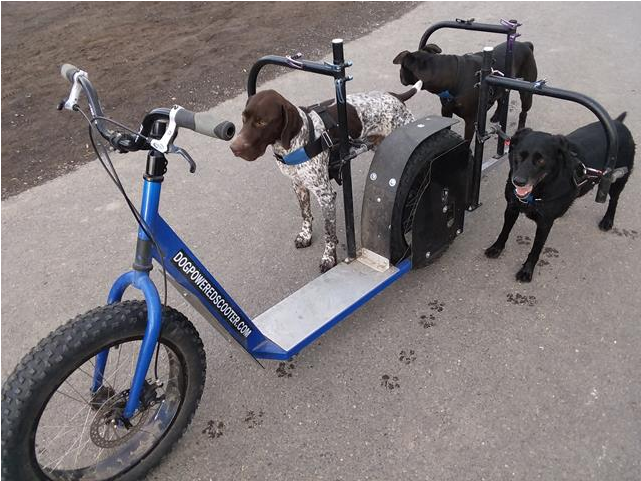
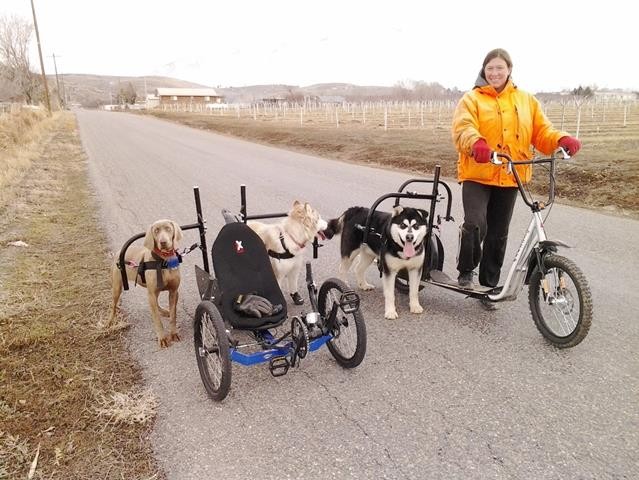
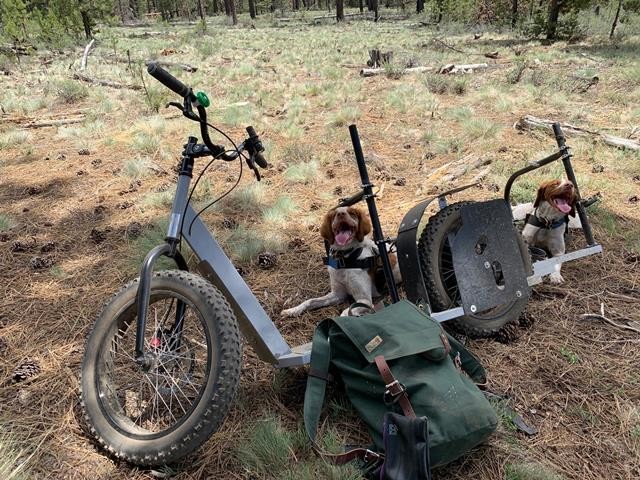
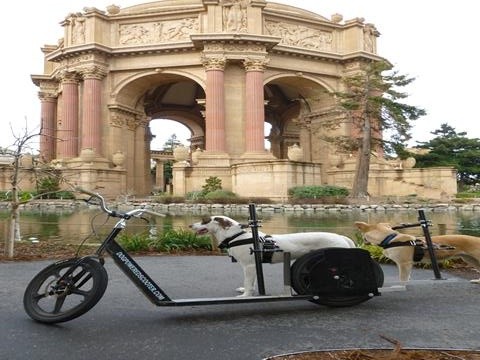
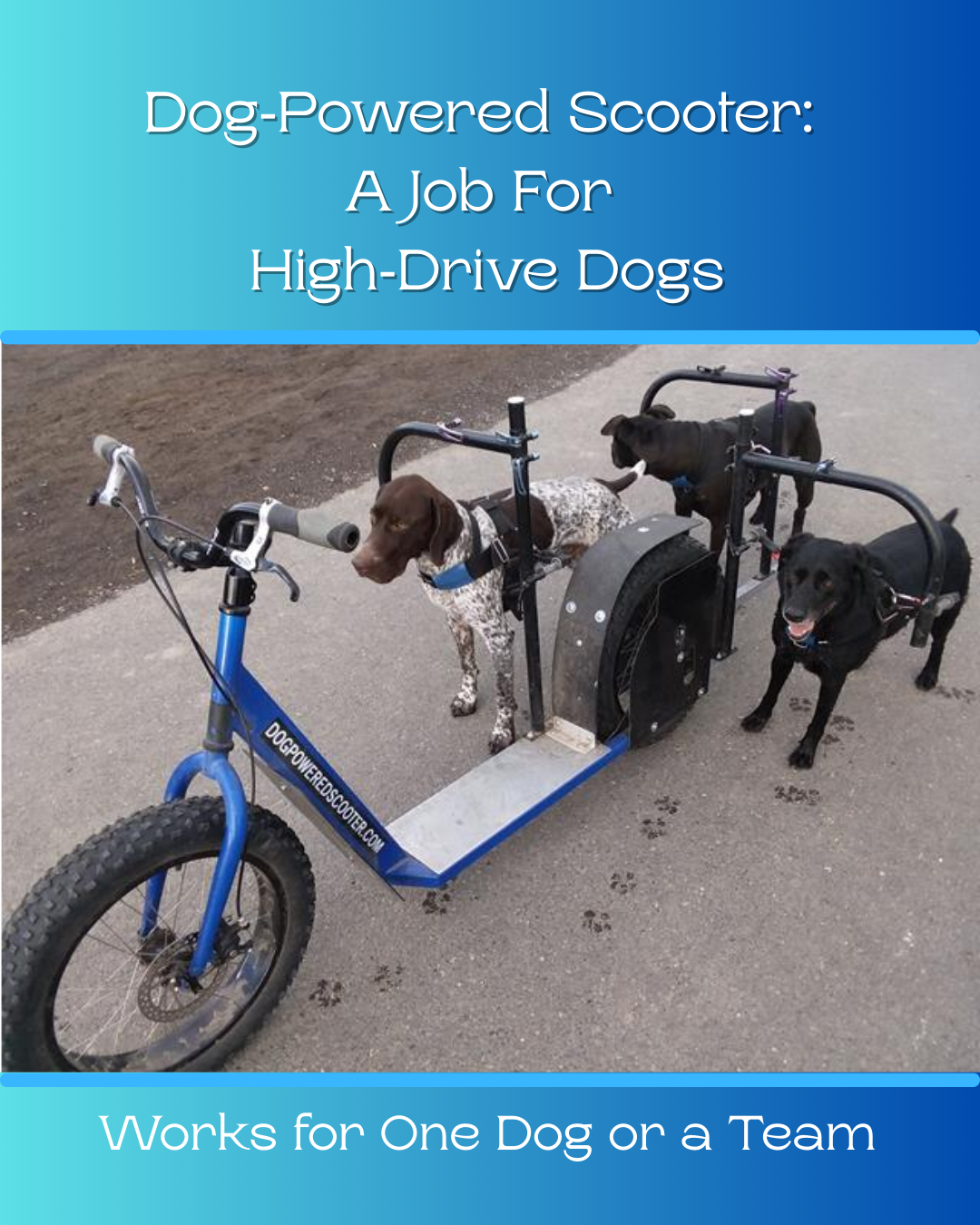
Three‑dog configuration on a dog powered scooter showing the stable side‑by‑side harness design.
A three‑dog team harnessed to the scooter, supported by the side‑by‑side frame.

The final image shows a three‑dog configuration, and it’s impressive. Each dog has its own secure harness point, and the scooter’s frame supports the team as a single unit. For people with multiple high‑drive dogs, this opens up a whole new world of safe, structured exercise.

Benefits of the Dog Powered Scooter for High‑Drive Dogs

Why This Matters for Dog Owners

If you’ve ever lived with a dog who needs a job — the kind who lights up when they have purpose — you know how transformative the right outlet can be. Mark’s scooter offers:

  • A safe way to channel working‑breed energy
  • A controlled setup for dogs who can’t be off‑leash
  • A meaningful job for dogs who thrive on movement
  • A way to “mush” even if you live in a city or snow‑free climate

It’s also one of the few mushing‑style tools that works for dogs with sensory limitations or reactivity, because the design removes the need for directional commands.

More Photos From Mark, the Inventor

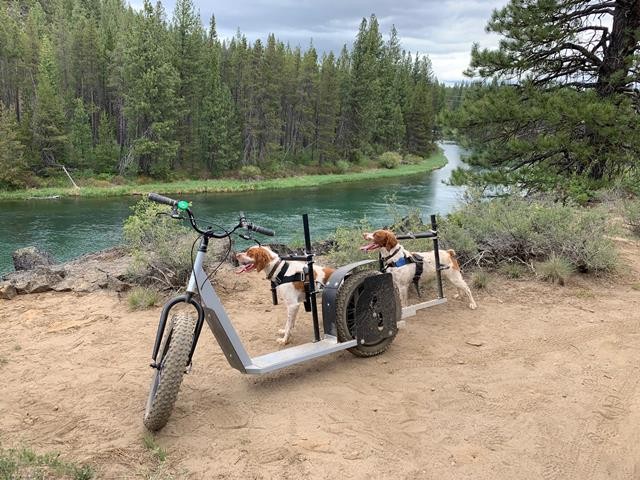
After I published this update, Mark surprised me with a whole batch of new photos — seventeen in total. They show different dogs, different setups, and just how much joy this scooter brings to high‑drive pups. I’ve added them here so you can see the variety of ways dogs use the scooter in real‑world settings.


Learn More About The Dog Powered Scooter

If you want to learn more about the dog powered scooter, you can visit Mark’s website for videos and details. DOGPOWEREDSCOOTER.com

And if you missed my original post from last September, you can read it here: Dog‑Powered Scooter or Trike

Spring Is Coming: Garden Joy and Gardening With Dogs

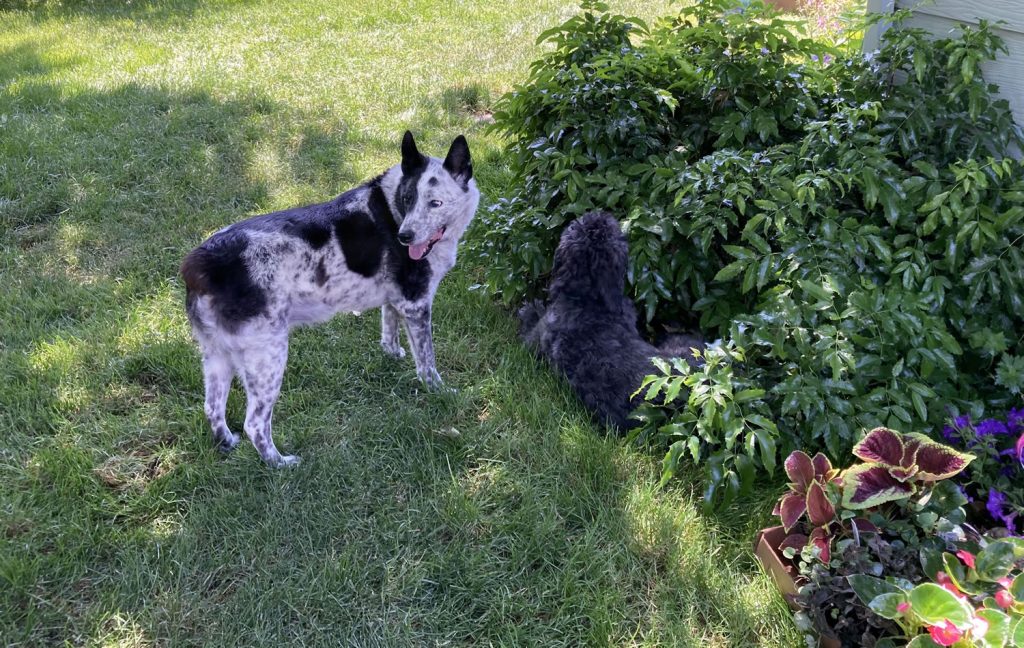
Senior dog Blue Belle in the garden, enjoying a quiet moment among early spring plants — gardening with dogs.
Blue Belle and Trixie keeping me company in the garden.

Even though it’s only early February here in Boise, the garden is already whispering that spring is on its way. It’s one of my favorite times of year for gardening with dogs, especially with Blue Belle by my side. We’ve seen the first flock of robins, and the resident birds are already flittering between the feeder and the safety of the trees. The air has that subtle shift — the one that makes you pause on the porch a moment longer, just to breathe it in. The crocuses are almost ready to burst into their purple mass of color, and soon the bumble bees will be buzzing in for their annual photo shoot.

Alaska Gardening Memories

Growing up in Alaska, we learned early to appreciate the fertile soil of our valley, and those lessons stayed with us. My brother, Ron, grew beans and even popcorn — yes, real popcorn — while my sisters Susie, Sharon, and I spent time in the garden with our mom, learning the names of flowers and discovering which ones could survive the cool summers. Mom would start her gladiolus bulbs indoors in milk cartons cut in half, lining them up on the windowsill like little promises of color.

Recently, Sharon reminded me of the spectacular wildflowers along the route to Anchorage — the bright Fireweed, the blue and purple Flags (wild iris), and the delicate shooting stars scattered across the fields. How could I forget? The moose, in their slow and steady way, always seemed to know just when the Fireweed was at its best. They would happily munch their way through the blooms. Fireweed was even considered a predictor of winter: once the flowers reached the top of the stalk and began forming seedpods, it meant snow wasn’t far behind. As the old saying goes, “When the fireweed goes to cotton, summer is soon forgotten.”

Alaska’s Wildflowers and Family Traditions

Our childhood memories stretch far beyond the flowers. We foraged wild raspberries and currants in the woods, and to this day I can still taste Mom’s wild currant jelly. She worked at the Alaska Experiment Station, where one of their projects involved fiddleheads. She would bring them home for dinner, and Ron remembers driving a van to Talkeetna to pick up fiddleheads that were later processed at the old creamery — the same place our dad once worked.

With all those beautiful blooms and flavors of our Alaska childhood, it’s still the tiny Forget‑Me‑Not — Alaska’s state flower — that has stayed closest to my heart. I’ve always loved their pretty blue petals, maybe because blue has always been my favorite color. I’ve planted Forget‑Me‑Nots here in my Boise garden, and one year, while visiting Sharon on her island in Washington State, I picked up some at a local garden center to give her as a gift. I brought a few home for myself too, tucked in beside the rocks I gathered from her island beach. Now, whenever I see those little blue flowers in spring and summer, I think of my Alaska home and my family. As a result, those memories still shape the way I approach gardening with dogs today.

Continue reading

How to Include Your Dog in Your Wedding Day with Ease and Joy

A Note Before We Begin

If you’re dreaming of including your dog in your wedding day, our guest writer, Nick Burton, shares practical tips for planning a calm, dog‑friendly celebration. For anyone searching for dog wedding ideas that keep your pup comfortable and relaxed, his guide offers simple, confidence‑building ways to include your dog with ease. This post is full of dog wedding ideas that focus on comfort, calm behavior, and helping your pup feel at ease throughout the day.

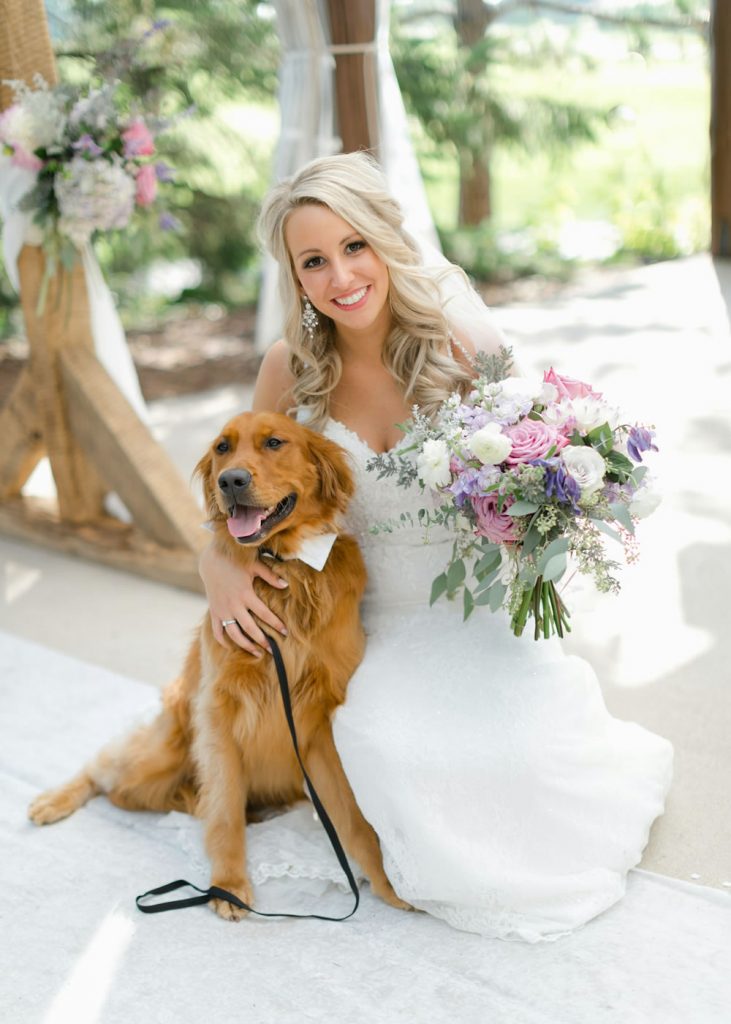
Dog wedding ideas shown in a bride’s portrait with her golden retriever wearing a white bow tie during the ceremony.
Photo by Jennifer Kalenberg on Unsplash

Guest Contributor: Nick Burton
Ourbestdoggo.com

For dog-owning couples, wedding planning with pets can feel like balancing a once-in-a-lifetime celebration with the emotional bond that makes a dog part of the family. The core tension is real: including dogs in weddings sounds joyful, but unfamiliar crowds, noise, schedules, and new spaces can trigger stress, especially for anxious dogs, reactive dogs, and seniors who need extra care. Many couples want pet-friendly wedding ideas that honor their dog’s comfort without turning the day into a constant worry check. With the right mindset and a few thoughtful choices, the celebration can stay calm, safe, and genuinely shared.

Quick Summary: Including Your Dog in Your Wedding

  • Choose comfortable pet wedding attire and accessories that keep your dog relaxed and safe.
  • Add your dog to the celebration with pet invitations and simple, thoughtful wedding-day roles.
  • Plan wedding photos with pets by prioritizing calm timing, familiar cues, and your dog’s comfort.
  • Protect your dog with pet safety basics like quiet breaks, secure spaces, and trusted supervision.
  • Offer pet entertainment options that reduce stress and keep your dog happily engaged.

Plan Pet Roles, Outfits, Decor, and Comfort Step by Step

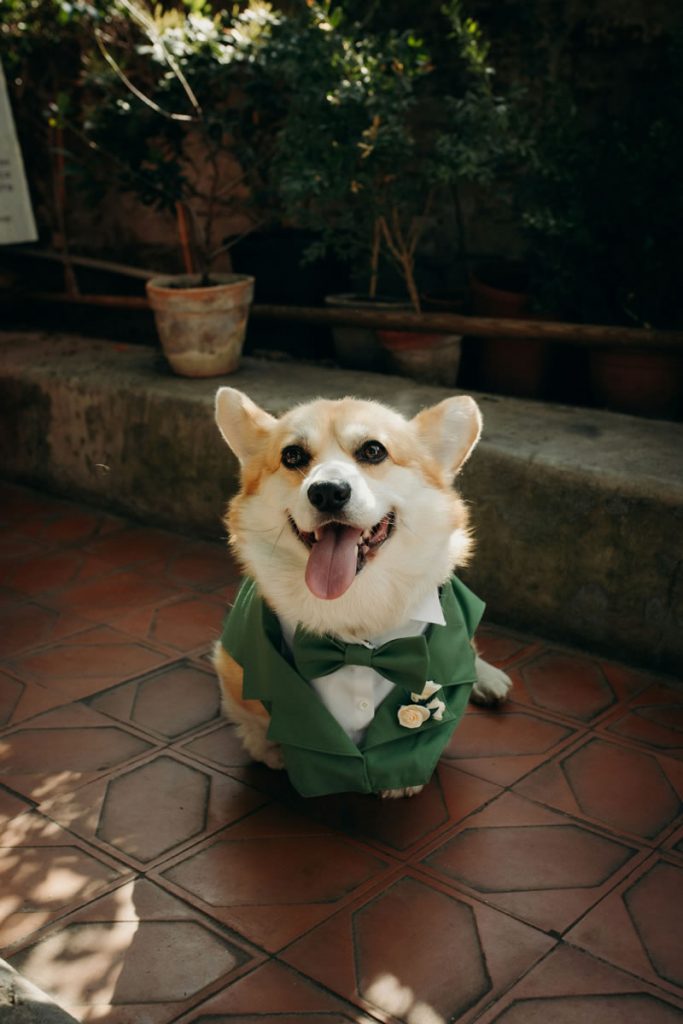
Corgi dressed in a green tuxedo with a floral boutonnière, sitting among potted plants at a wedding venue.

A dog-friendly wedding works best when you plan your pup’s role the same way you plan your timeline: one small, thoughtful decision at a time. Use these steps to turn the “fast ideas” (outfits, photos, safety, and fun) into a calm, realistic plan your dog can actually enjoy.

Photo by Julia Arte on Unsplash

  1. Pick one main “job” for your dog (and keep it short): Choose a simple role like greeting guests during cocktail hour, walking down the aisle with a handler, or popping in for portraits, then plan an exit. Most dogs do best with 5–10 minute “on-stage” moments, followed by downtime in a quiet space. This keeps the day joyful instead of overwhelming and protects your photo moments from last-minute stress.
  2. Dress for comfort first, photos second: Do a fit test at home for 10–15 minutes, then a second test during a short walk so you can spot rubbing, overheating, or stiff movement. The guidance to Choose pet-friendly attire helps you prioritize pieces that won’t restrict shoulders, press on the throat, or snag fur. If your dog is sensitive, swap a full outfit for a lightweight bandana or bow tie.
  3. Make the ring-bearer role “prop-safe” and optional: If you want the classic ring-bearer moment, attach a lightweight pouch or decorative box to a harness, not a collar, so nothing pulls on the neck. Keep real rings with a human, and use a decoy for the walk to avoid a panic if your dog shakes or drops it. Practice the aisle walk twice: once with treats every few steps, and once with only praise, so your dog can succeed either way.
  4. Coordinate matching accessories without overloading your dog: Pick one “match point” (floral color, fabric, or metal tone) and repeat it across the leash, harness, and your signage or bouquet ribbon. A comfortable harness can be disguised with a removable sash, small faux flower cluster, or bow, then removed quickly after photos. This gives you the cohesive look from the quick-ideas list without asking your dog to tolerate multiple fussy items.
  5. Use pet-themed decor in places your dog won’t have to interact with: Put the fun details on invitations, signature drink signs, napkins, or a small “welcome” poster instead of on your dog’s body. If you want a dog photo station, set it near a quieter corner with clear boundaries so guests don’t crowd your pup. Decor should celebrate your dog without turning them into the center of attention all day.
  6. Build a comfort kit and a “decompression zone” at the venue: Pack water, a collapsible bowl, poop bags, wipes, a towel, and a familiar blanket or crate cover that smells like home. Choose a low-traffic room or shaded corner as your dog’s reset spot, and schedule two short breaks (even 10 minutes each) around the busiest times. Add a chew or lick mat for calming, plus one backup toy in case the first gets lost.
  7. Assign a dedicated handler and a treat-and-toy plan: Your dog needs one person whose only job is dog care, bathroom breaks, water, distance from the dance floor, and deciding when your pup is “done.” If you don’t have a trusted friend who can truly focus, consider a wedding pet assistant service so you’re not managing logistics in formalwear. Give the handler a simple script: high-value treats for arrivals and photos, a chew during speeches, and a toy only in the decompression zone so it stays special.
Continue reading

Should My Dog Wear a Coat or Sweater? A Winter Guide for Pet Parents

Should My Dog Wear a Winter Coat?

Blue Belle’s Story: Why This Question Matters

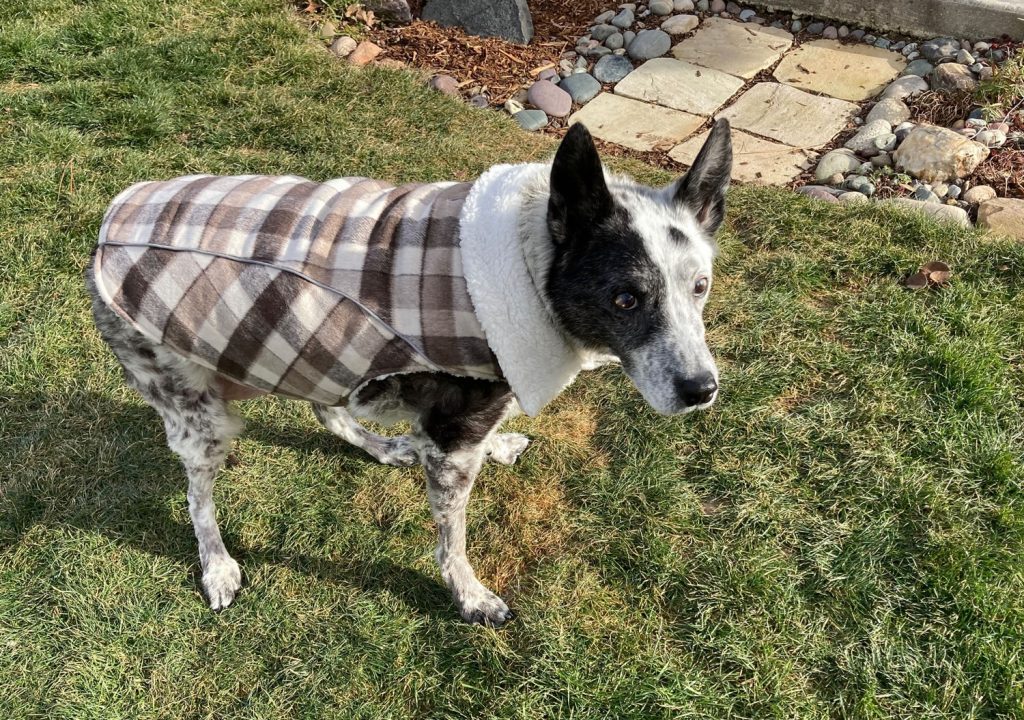
Blue Belle, a senior mixed‑breed dog, standing outdoors in her winter coat.

Blue Belle had just finished her visit with her oncologist when this topic first landed in my heart. After her ultrasound, her belly was shaved, and Dr. Hume gently suggested our dog wear a winter coat or sweater outside to keep her warm. That was all the encouragement we needed. Being the caring (and slightly fashion‑obsessed) dog parents we are, we went shopping and found her a cozy sweater and a new winter coat — even though she already had a perfectly good one at home. She deserved comfort, warmth, and yes, a little style.

That moment made me think about all the dogs out there — seniors, short‑haired pups, dogs recovering from medical procedures — who truly benefit from a little extra winter protection. And it also made me think about dogs like our sweet Scout, who had a thick, luxurious coat and would have overheated in a sweater within minutes.

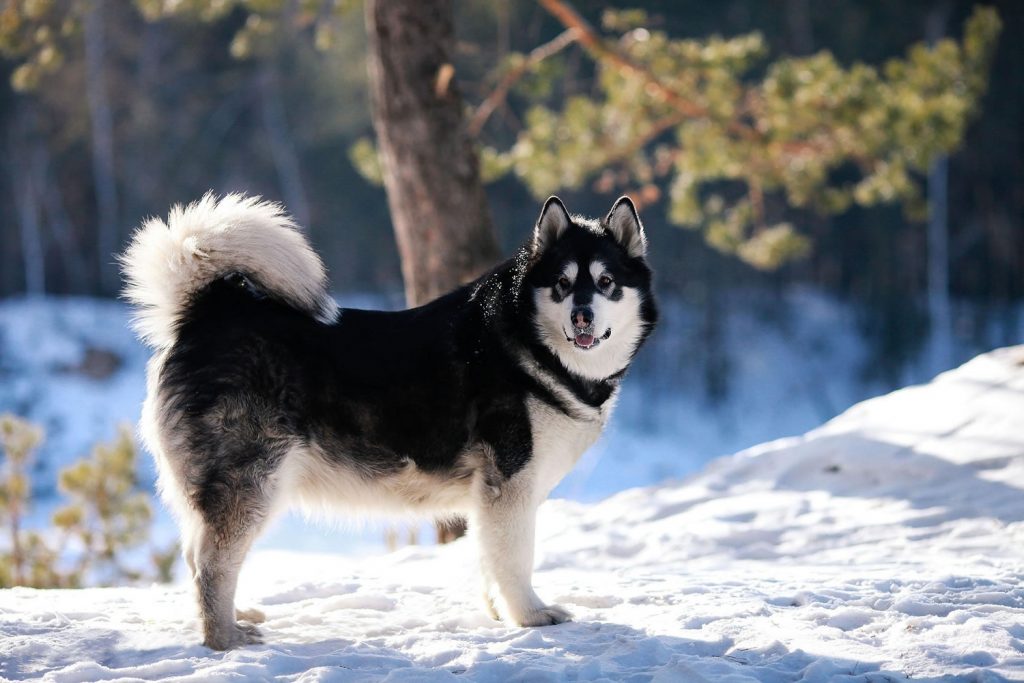
A fluffy Alaskan Malamute sitting in a snowy landscape with trees and a bright winter sky.
Image by olginaa84 from Pixabay

So how do you know whether your dog needs a coat or sweater? And how long should they wear one? Let’s walk through it.

🐾 When Your Dog Might Need a Winter Coat or Sweater

When a Winter Coat Helps Keep Your Dog Comfortable

A winter coat is most helpful for dogs who struggle to stay warm on their own. Short‑haired breeds, senior dogs, and pups with health conditions often benefit from the extra insulation. In particular, coats are also ideal for cold, wet, or windy weather because they protect against the elements better than sweaters. According to the American Kennel Club, dogs with short coats, low body fat, or certain medical conditions often need extra protection in cold weather.

When a Sweater Is the Better Choice

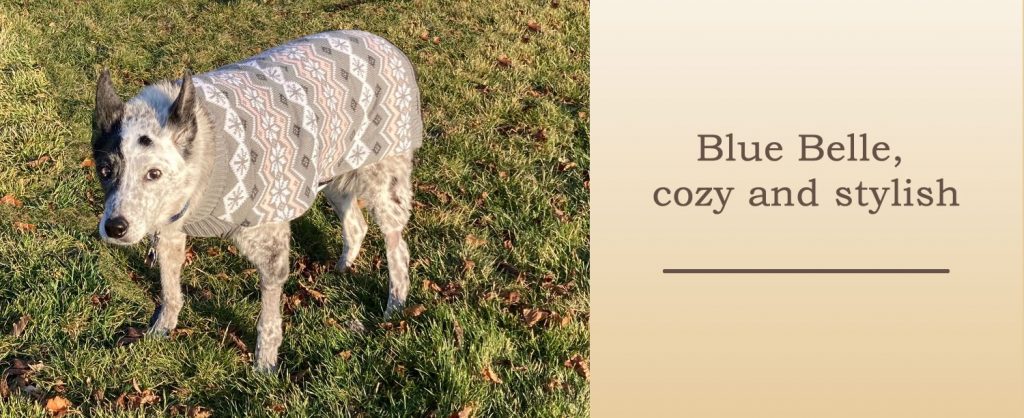
A senior mixed‑breed dog named Blue Belle wearing a cozy winter sweater after her oncology visit.

Sweaters are perfect for dry, chilly days or for dogs who need gentle warmth without heavy insulation. They’re especially helpful for dogs with shaved areas, like Blue Belle after her ultrasound, or for pups who need comfort indoors or during short outdoor breaks.

Short‑haired or thin‑coated dogs

Breeds like Pit Bulls, Greyhounds, Boxers, and many mixed‑breed pups simply don’t have enough insulation to stay warm in cold weather. Blue Belle, with her short hair, fits into this category — especially now as a senior.

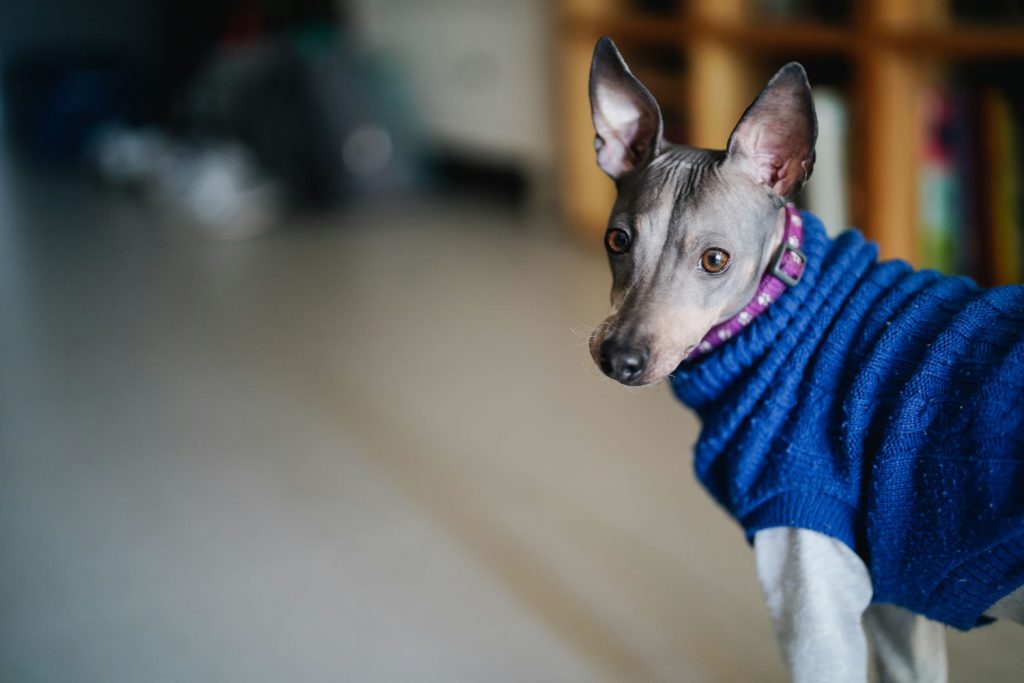
A hairless dog standing indoors wearing a blue knitted sweater and a purple collar.
Photo by Anya Chernykh on Unsplash

Senior Dogs Who Struggle With Temperature Regulation

Older dogs often struggle to regulate body temperature. As a result, a sweater can make winter walks more comfortable and help them conserve energy.

Dogs With Health Conditions or Shaved Areas

For example, hypothyroidism, arthritis, cancer treatment, or shaved areas from medical procedures (like Blue Belle’s belly) all make warmth extra important.

Small Breeds That Lose Heat Quickly

Tiny pups lose heat quickly and often benefit from sweaters even on moderately chilly days.

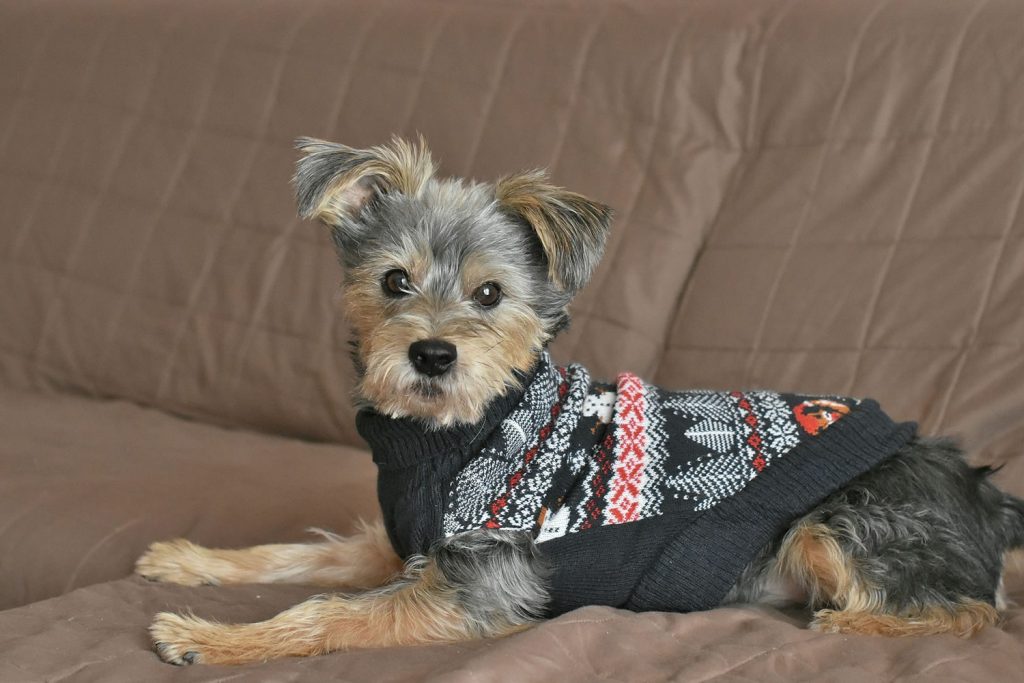
A small dog with gray and tan fur wearing a festive sweater, sitting alertly on a quilted couch.
Photo by Massimo P on Unsplash

Cold, wet, or windy weather

Even so, a dog with a decent coat can get chilled if they’re damp or exposed to wind.

When Dogs Don’t Need Extra Layers

Some dogs are naturally equipped for winter. Thick, double‑coated breeds like Huskies, Malamutes, and long‑haired Australian Shepherds (like Scout) stay warm on their own. Additionally, active dogs may also overheat quickly, and most dogs don’t need clothing indoors unless medically advised.

Continue reading

Growing Up in Alaska: Winter Joy, Summer Light, and Sled Dog Dreams

A soft mountain ridge in the Matanuska Valley with tall grass and trees in the foreground.
Photo by everett mcintire on Unsplash

Alaska may seem harsh to outsiders — long winters, deep snow, and wildlife that doesn’t always respect your front porch — but for us kids growing up in the Matanuska Valley, life in Alaska was something special. Growing up in Alaska meant living by winter rhythms, sled dogs, and the mountains that surrounded us.

❄️ Life in Alaska: Winter Play, Ice, Snow, and Wool Socks on the Radiator

We skated on frozen gravel roads where cars drove every day. The town built an outdoor rink every winter, and we’d spend hours gliding across the ice, cheeks red, hearts light. Coming home meant woolen socks steaming on the radiator, filling the house with that unmistakable winter smell.

Some winter nights, when the sky was clear and the cold felt sharp enough to crack, the Northern Lights would ripple across the sky. Greens, purples, and curtains of white light shimmered above the mountains, moving like something alive. We’d stand outside in our boots and pajamas, breath hanging in the air, watching the whole sky dance. Even as kids, we knew it was something rare and beautiful — the kind of wonder that stays with you forever.

In 1963, my brother Ron remembers a snowfall so heavy it dropped 37 inches in one day. School was canceled, but we went anyway — recess all day long.

🫎 Moose at the Door – That’s Life in Alaska

We learned early to watch for moose in the yard. One day, I came home from school to find a moose at the front door, chewing on the bushes. I circled to the back — only to find another moose waiting there. My dad came home, grabbed a broom, and shooed them both away like it was just another Tuesday. That was just part of life in Alaska — sharing space with animals bigger than your car.

🫎 Moose Country: Caution, Courage, and a Sick Visitor

Living in a small Alaskan town meant sharing space with moose — big, unpredictable, and sometimes downright dangerous. We had to be careful walking to school and never took the shortcut through the woods. After hearing that the boy next door got into a fight with a moose, we were extra cautious.

We kids were afraid of them, but our dad didn’t seem to be. Once, a young sick moose wandered into our backyard. Dad tried to help it by feeding it vegetables, hoping it would recover. Sadly, Fish and Game had to put the poor thing down.

Growing up, we ate a lot of moose meat. Susie hated it. When she was grown and living away from home, Dad used to bring her moose meat — and King Crab — in a suitcase on the plane. “He knew I hated moose meat,” she said, laughing.

🐴 Birch: Our Imaginary Horse

My brother and I had a lot of fun on our pet horse named Birch. It wasn’t a real horse — it was a strong birch tree in our front yard with a limb sticking out just right. Dad put a saddle and reins on it, and we rode along imaginary trails for hours, galloping through adventures only kids can dream up. And only Alaskan kids could turn a birch tree into a horse and believe it completely.

Continue reading

A Day in the Life of a Sled Dog: Told by Me, the One With the Frosty Whiskers

This little glimpse into sled dog life begins on a cold Alaska morning. From the start, you might think being a sled dog is all about running fast and looking heroic in photos. And sure — I do look heroic, especially when the frost settles on my whiskers just right. But there’s a whole world behind the scenes of a sled-dog team, and I’m here to tell you what it’s really like.

Sled Dog Life: Frosty’s View From the Trail

The Heart of Sled Dog Life

I’m Frosty Whiskers — lead dog, trail philosopher, and occasional snow‑snack connoisseur. Pull up a bale of straw and get comfortable. Let me show you my world.

A husky dog with striking blue eyes looks forward
Photo by David Becker on Unsplash

❄️ Morning: When the Sky Is Still Blue‑Gray and Quiet

Sled dog with frosty whiskers

By the time the first hint of Arctic dawn brushes the snow, we’re already stretching, shaking off the night’s frost, and checking in with each other. Meanwhile, the humans are still waking up slow.
Image by Ma_Frank from Pixabay

For instance, a good team starts the day with tail wags, nose boops, and a few playful shoulder bumps. It’s our version of morning coffee — except we don’t spill it.

The musher emerges bundled like a walking sleeping bag. We pretend not to laugh. It’s too early for them to know we’re laughing anyway.

🐾 Harness Time: The Sound That Makes Our Hearts Dance

Four assorted-color Siberian Huskies running in a sled dog race
Photo by Yann Gbs on Unsplash

There’s a moment — a tiny, magical moment — when the musher reaches for the harnesses. Everything changes.

We erupt. Then we hop. A heartbeat later, we howl. Soon we’re wiggling like we’re made of springs.

Even the dignified old-timers, the ones who pretend they’re above such things, can’t help but bounce. The harness doesn’t just mean running. It means purpose. It means teamwork. And most of all, it means we’re about to fly.

Continue reading