Creating a Dog-First Home Without Breaking the Bank

Guest Post by: Nick Burton  Ourbestdoggo.com

Dog at home.


Image by Freepik

Your dog doesn’t care if your patio furniture is West Elm or Walmart. What matters to them is safety, space, and spots to sniff. Shaping your home and yard into a haven for your pet doesn’t have to run your wallet ragged. With a little grit, a pinch of planning, and a sense of what dogs genuinely need, your space can transform. No need for sprawling lawns or fancy gadgets either. Just smart choices, creative reuses, and a few changes that make life a whole lot better for both of you.

Pet-Safe Landscaping

Start by asking yourself where your dog likes to wander. If it’s the flower beds, you’ve got a problem, but not an expensive one. Consider raised planters or hardy border shrubs to protect fragile areas while giving your pup clear boundaries. Swap out toxic plants for hardy, non-poisonous ones like marigolds, sunflowers, or rosemary, which not only survive your dog’s curiosity but also look decent doing it. Mulch smart, too—skip cocoa mulch and go with cedar or pine. Browse these dog-friendly backyard ideas to help you sketch out the transformation.

DIY Dog Fencing

You don’t need a contractor to build a fortress. In fact, most dogs just need consistency and a clear line between theirs and the outside world. You can use wooden pallets, lattice panels, or repurposed fencing to create barriers that fit your budget and blend into your landscaping. Just ensure the height suits your breed’s jumping prowess and that gaps won’t tempt small adventurers. Invisible fences are an option but not always ideal for every temperament. Some of the smartest cheap dog fence ideas can be built with materials sitting in your shed.

Continue reading
4 Downsizing Steps To Care for Your Precious Pet

Guest Post by: Jessica Brody

Image via Unsplash

Downsizing happens for many reasons. Perhaps you cannot afford your current mortgage. Maybe you simply want a smaller house to maintain. Whatever the reason, the process can be tedious and challenging, especially if you have a fuzzy, furry, or fluffy pet moving with you. To ensure a smooth transition for you and your animal, follow these four steps throughout the moving process, presented by DogBlog: A Dog’s Eyes View.

1. List New Home Modifications

If you are wondering what moving tasks you need to do for your pet, you are not alone. According to one report, some state populations in the U.S. are 70% pet owners, including Idaho. This means many people have to factor in pets when downsizing.

When you’re looking at a potential new home, note what accommodations it has for your animal and what modifications are needed to create a safe and comfortable space. Maybe it has a spacious living room so you can set up an area just for your precious pooches, but perhaps the yard is not fenced in. To keep your dog safe, connect with local fencing companies to get quotes on a new fence and installation.

Before meeting contractors in person, compare online reviews for contracting companies. This provides you with a better understanding of the pros and cons of each business before you commit. Homeowners spend an average of $4,500 to install a fence; this cost can vary depending on the fence’s size, location, and materials. The last thing you want after signing a contract is to realize you could have gotten a better deal somewhere else. Be sure the installer is licensed, insured, and knowledgeable of underground utility lines.

Another possible house modification is a doggy door. If you are gone for most of the day, or you simply have an independent pet, adding a doggy door lets your pup go outside as needed.

2. Fix Pet Damage in Your Home

While pets bring joy and love into your life, they also bring more wear and tear to your home. Potential buyers will likely notice these damages, and it may dissuade them from purchasing your house. Before listing your home, fix the pet damages throughout the rooms.

Common issues caused by pets include dirty carpets, scratched floors, floorboards, and walls, unpleasant odors, and water damage. Do a thorough assessment of your home to see what needs to be updated. You might need to hire a professional depending on how severe it is.

Continue reading

Preparing For a Car Ride With Your Dog

Guest Post By: Tess Halpren
Community Outreach
The Zebra

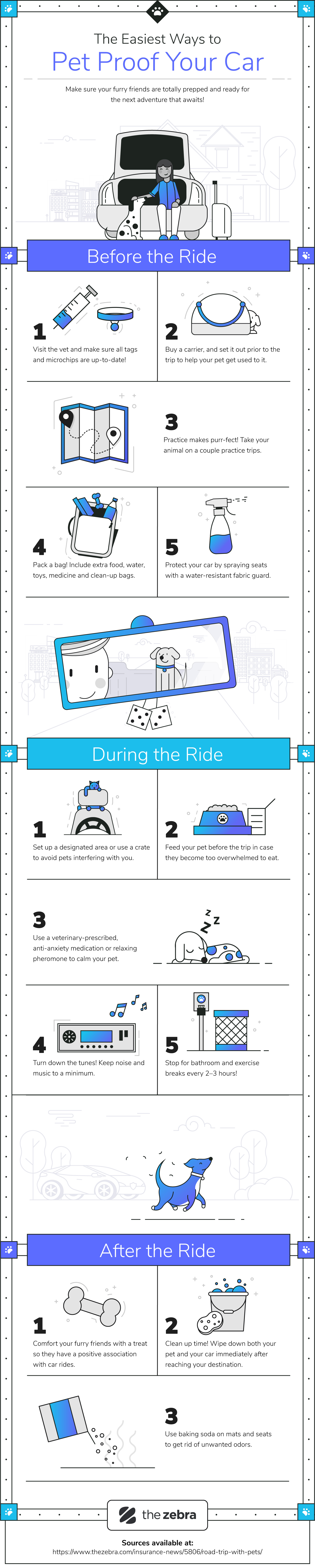
Easiest Ways to Pet Proof Your Car

Pet proof before a trip

Most dogs love going for car rides. With their head out the window, ears blowing in the wind, dogs are the picture of bliss when they tag along for the trip.

In reality, though, car rides can be very stressful for even the happiest dogs. Whether going on a cross-country road trip or just down the street, dogs often experience anxiety during a drive. This anxiety is caused by a number of things, including the movement of the car, the sound of the engine, or the possibility of a trip to the vet’s (eek!). If you aren’t careful, you’ll land up with a jittery pup and maybe even a ruined backseat.

The following post from The Zebra gives a collection of tips and tricks for keeping you, your dog, and your car happy on your next road trip. These tips give advice on what to do before, during, and after your car ride to keep your pup calm and your car clean.

pet proofing your car

Moving Tips for Your Fur Babies – DogBlog

Guest Post Contributor: Karli Jaenike

In all the excitement of moving some people forget that it can be an incredibly stressful time for your pup. They don’t inherently know what’s going on, and may feel unsure about their place in the move and where they are heading.

To make your dog feel extra secure, there are certain things you can do. For example, before the move, it can be helpful to have some boxes out a few weeks early so that they get used to them. You can also ensure you spend lots of quality time with your furry friend to assure them they are still #1 in your heart.

During the move, remember to keep them safe by either crating them or taking them to a friend or family members house. Ensure they always have their collar and tags on just in case they escape. After the move, it can be helpful to spend a few days around the house with your dog to reassure them that they are safe.

Our friends at at HireAHelper put together a list of tips that dog pawrents can use to keep their pets, happy and calm during a move. You can see it below!

Help your pet adjust to a new home

Tips For Camping Holidays With Your Dog

Contribution from freelance writer Sally Writes

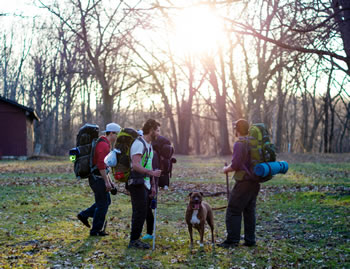
Camping with your dog

With more dog owners than ever in the US, 77% of people surveyed said their pets will influence their holiday travel plans.  For many, that means pooch comes along too, and why not? What could be more fun than living in the countryside for a week or so with your canine best friend for company?  The walking routes will be just a step away and it will give you a chance to detach from all the hustle and bustle of modern life and fully relax.  However, there’s just a few things to take into consideration to ensure your holiday is problem free and great fun.

Health checklist to prepare your dog

Ensure your dog’s general healthcare is up to date, in particular vaccinations (including for heartworm which is now prevalent in the US) and that your dog has recently been wormed.  If your dog takes any regular medication for ongoing conditions e.g. anti allergy tablets, then ensure you have had a recent review with your vet. Mention you are planning to take your dog on holiday and check your medication stocks are sufficient to cover that period of time.  Also, ensure any veterinary insurance policies are up to date and pack the policy details, contact phone number and your veterinarian’s contact details.  Alongside this paperwork you could also pack any medication supplies at this stage to cover the holiday period.

Continue reading

Dog Friendly Training

From Ted Partner Series – “Dog Trainer Ian Dunbar asks us to see the world through the eyes of our beloved dogs. By knowing our pets’ perspective, we can build their love and trust. It’s a message that resonates well beyond the animal world.”

He sounds like he really knows what he is talking about. We like this guy.

Veterinarian, dog trainer and animal behaviorist Ian Dunbar understands our pets’ point of view. By training dog owners in proper conduct (as much as he trains the dogs themselves), he hopes to encourage better relationships with dogs — not to mention their friends and children, too.

His WebSite: Sirius Dog Training

He has written many books about dog training. Find them here at Amazon.