
Should My Dog Wear a Winter Coat?
Blue Belle’s Story: Why This Question Matters
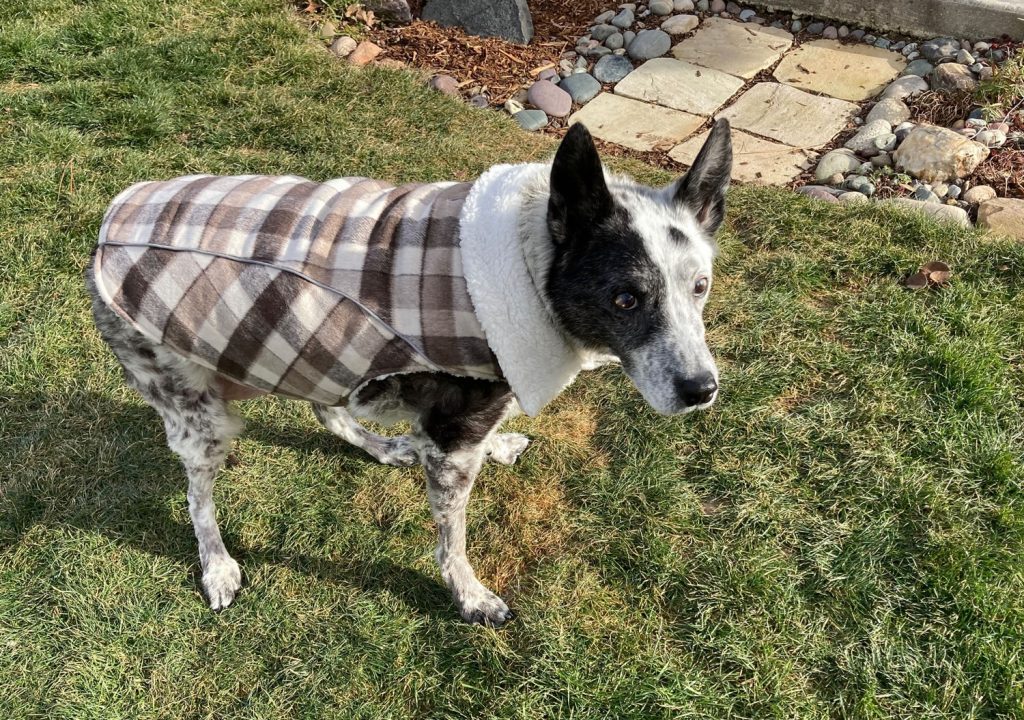
Blue Belle had just finished her visit with her oncologist when this topic first landed in my heart. After her ultrasound, her belly was shaved, and Dr. Hume gently suggested our dog wear a winter coat or sweater outside to keep her warm. That was all the encouragement we needed. Being the caring (and slightly fashion‑obsessed) dog parents we are, we went shopping and found her a cozy sweater and a new winter coat — even though she already had a perfectly good one at home. She deserved comfort, warmth, and yes, a little style.
That moment made me think about all the dogs out there — seniors, short‑haired pups, dogs recovering from medical procedures — who truly benefit from a little extra winter protection. And it also made me think about dogs like our sweet Scout, who had a thick, luxurious coat and would have overheated in a sweater within minutes.
So how do you know whether your dog needs a coat or sweater? And how long should they wear one? Let’s walk through it.
🐾 When Your Dog Might Need a Winter Coat or Sweater
When a Winter Coat Helps Keep Your Dog Comfortable
A winter coat is most helpful for dogs who struggle to stay warm on their own. Short‑haired breeds, senior dogs, and pups with health conditions often benefit from the extra insulation. In particular, coats are also ideal for cold, wet, or windy weather because they protect against the elements better than sweaters. According to the American Kennel Club, dogs with short coats, low body fat, or certain medical conditions often need extra protection in cold weather.
When a Sweater Is the Better Choice
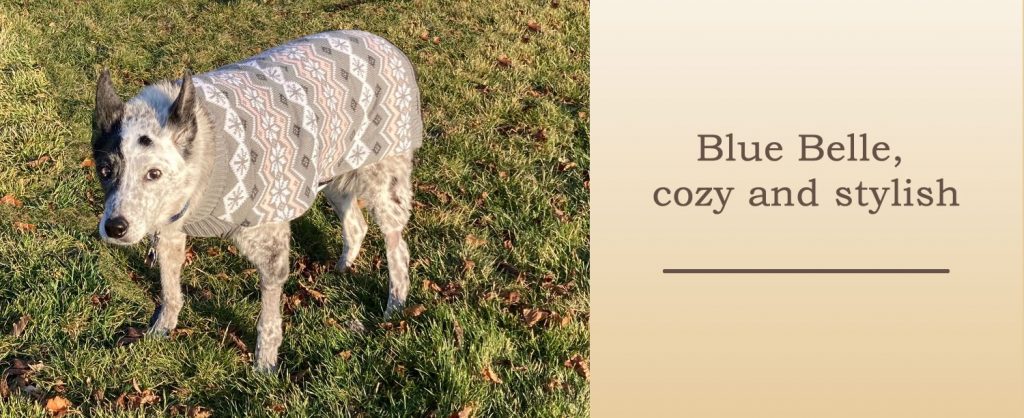
Sweaters are perfect for dry, chilly days or for dogs who need gentle warmth without heavy insulation. They’re especially helpful for dogs with shaved areas, like Blue Belle after her ultrasound, or for pups who need comfort indoors or during short outdoor breaks.
Short‑haired or thin‑coated dogs
Breeds like Pit Bulls, Greyhounds, Boxers, and many mixed‑breed pups simply don’t have enough insulation to stay warm in cold weather. Blue Belle, with her short hair, fits into this category — especially now as a senior.
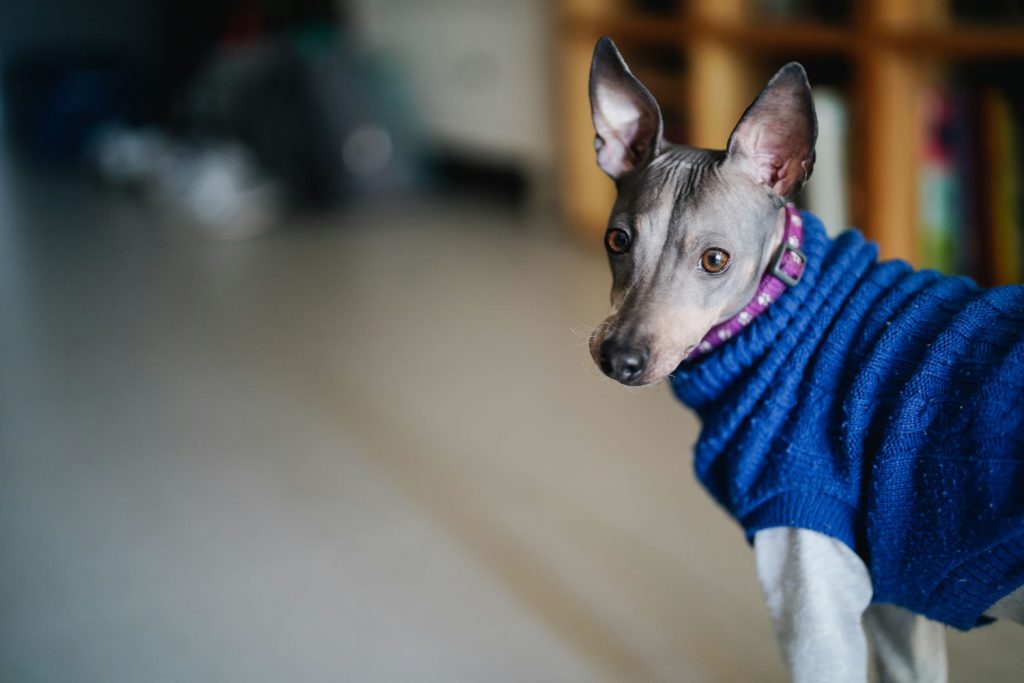
Senior Dogs Who Struggle With Temperature Regulation
Older dogs often struggle to regulate body temperature. As a result, a sweater can make winter walks more comfortable and help them conserve energy.
Dogs With Health Conditions or Shaved Areas
For example, hypothyroidism, arthritis, cancer treatment, or shaved areas from medical procedures (like Blue Belle’s belly) all make warmth extra important.
Small Breeds That Lose Heat Quickly
Tiny pups lose heat quickly and often benefit from sweaters even on moderately chilly days.
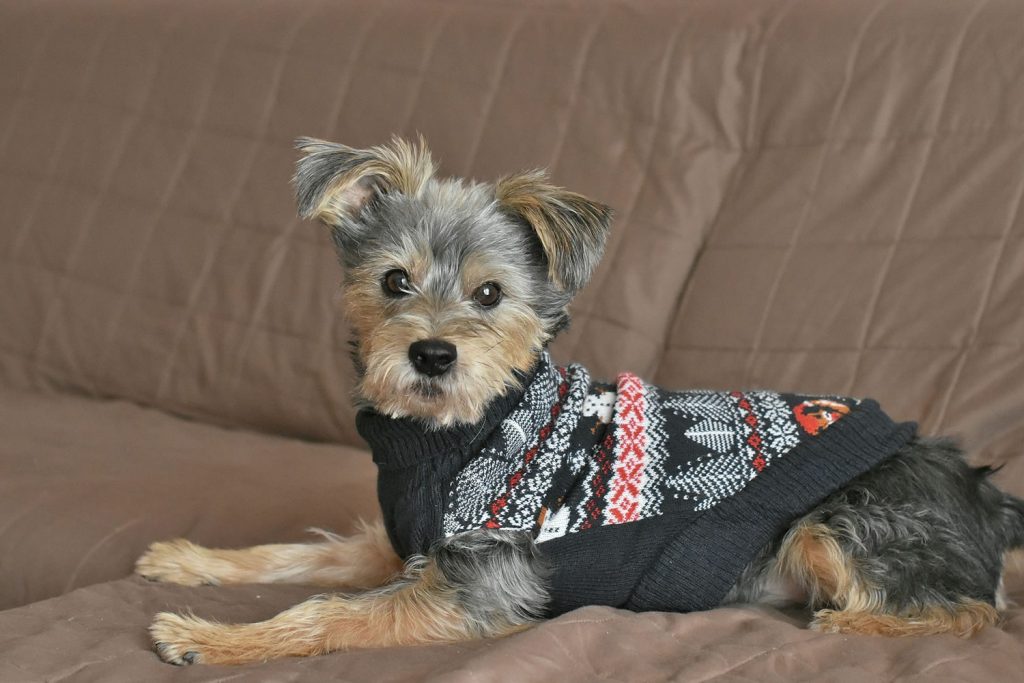
Cold, wet, or windy weather
Even so, a dog with a decent coat can get chilled if they’re damp or exposed to wind.
When Dogs Don’t Need Extra Layers
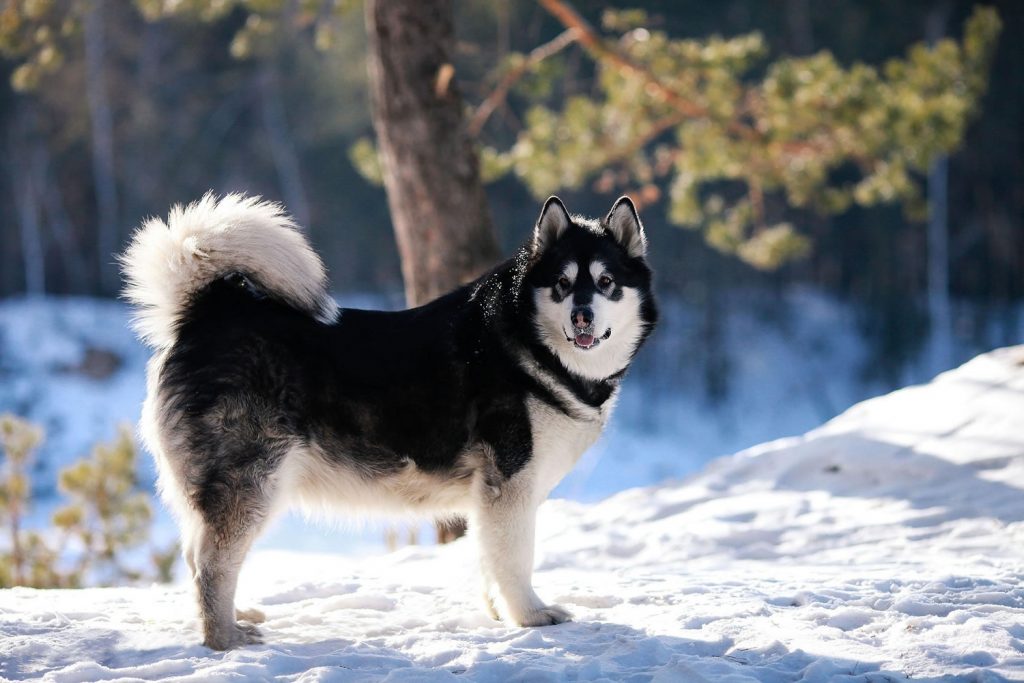
Some dogs are naturally equipped for winter. Thick, double‑coated breeds like Huskies, Malamutes, and long‑haired Australian Shepherds (like Scout) stay warm on their own. Additionally, active dogs may also overheat quickly, and most dogs don’t need clothing indoors unless medically advised.
🐕 When Dogs Should Not Wear Clothing
Thick, Double‑Coated Breeds Like Scout
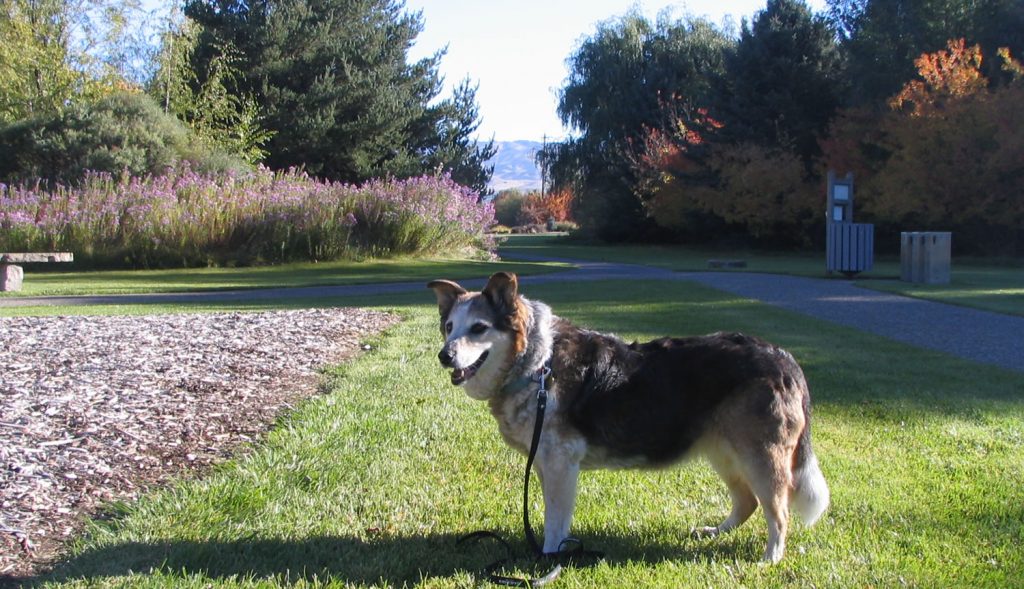
Dogs like Huskies, Malamutes, Bernese Mountain Dogs, and long‑haired Australian Shepherds (like our beloved Scout) are built for winter. Their coats insulate, regulate temperature, and protect them from the elements. Adding clothing can trap heat and cause overheating. PetMD explains that double‑coated breeds are built for winter and often stay warm without any added layers.
Dogs Who Overheat During Active Play
Running, wrestling, or zoomies + layers = overheating risk.
Why Most Dogs Don’t Need Sweaters Indoors
Most dogs don’t need sweaters inside unless they’re elderly, recovering from illness, or living in a very cold home.
Signs Your Dog Is Uncomfortable in Clothing
In contrast, panting, scratching at the sweater, stiff posture, or trying to remove it are all signs it’s too warm or too restrictive.
⏱️ How Long Should a Dog Wear a Winter Coat?
- Short outdoor walks: Perfect for sweaters or coats.
- Longer adventures: Choose breathable, weather‑appropriate gear and check for overheating.
- Indoors: However, usually unnecessary unless medically advised.
- After medical procedures: Temporary warmth is helpful, especially with shaved areas.
Veterinarians at Small Door Vet note that dogs can overheat quickly during active play, even in cold weather, so coats should be used thoughtfully.
🧵 What to Look For in a Dog Sweater or Coat
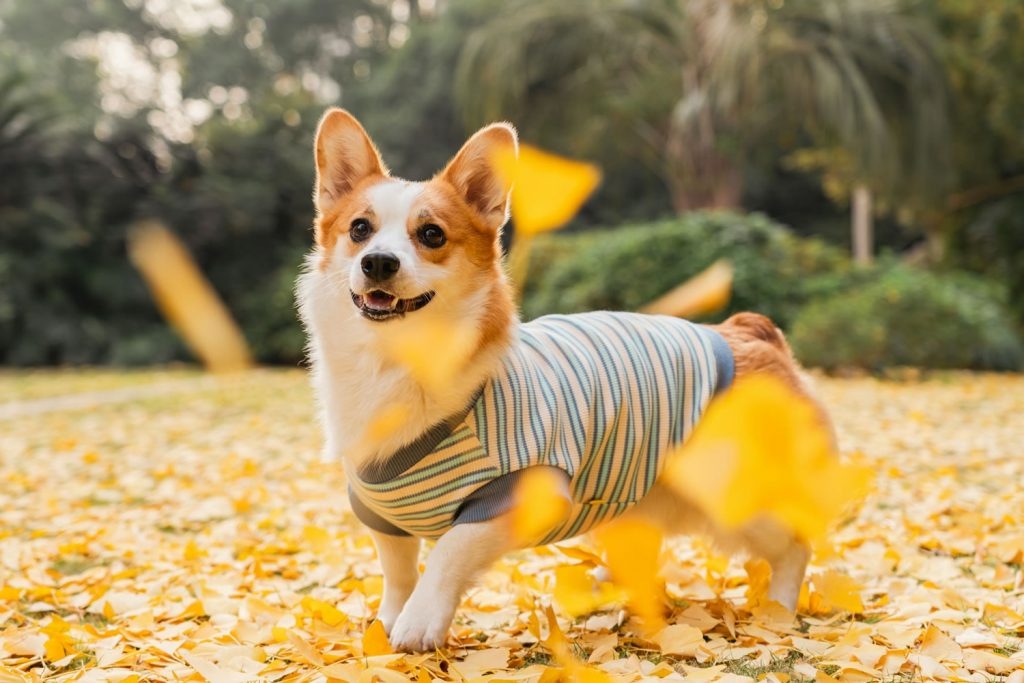
How to Choose a Dog Winter Coat
Choosing the right dog winter coat can make all the difference in keeping your pup warm, comfortable, and safe during cold weather. Not every coat works for every dog — their age, coat type, activity level, and even medical needs all play a role. Above all, a well‑fitted winter coat should protect your dog from the elements without restricting movement or causing irritation. Here are the key features to look for when picking the best winter coat for your dog.
1. Fit and comfort
The sweater should be snug but not tight. Your dog should move naturally — no restricted shoulders, no rubbing under the arms.
2. Easy On and Off for Seniors
Especially for seniors or dogs with mobility issues. Soft, stretchy openings are ideal.
3. Breathable, Soft Materials
Wool blends, fleece, or soft knits work well. Avoid anything too heavy or stiff.
4. Belly Coverage for Dogs With Shaved Areas
For dogs with shaved bellies (like Blue Belle), look for sweaters that extend underneath for warmth.
5. Weather‑appropriate features
- Sweaters: Best for dry, cold days.
- Coats: Look for waterproof or windproof materials for wet or windy weather.
6. Avoiding Rubbing, Chafing, and Irritation
Seams, zippers, or Velcro can irritate sensitive skin.
7. Choosing the Right Winter Coat for Your Dog
For dog parents looking for specific product ideas, CNN Underscored offers a veterinarian‑reviewed list of top sweaters. If your dog needs warmth, you might as well pick something adorable.
How to Help Your Dog Get Comfortable Wearing Clothing
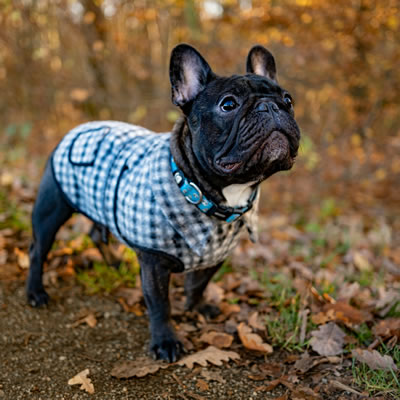
- Introduce clothing slowly.
- Use positive reinforcement.
- Let the dog sniff and explore the coat first.
- Keep early sessions short.
Photo by Mikhail Mamaev on Unsplash
Finally, if your dog is unsure about wearing clothing, positive‑reinforcement training can help them feel more comfortable.
❤️ Final Thoughts on Keeping Your Dog Warm This Winter
Every dog is different. Some need sweaters for warmth, comfort, or medical reasons. Others — like Scout with her thick, beautiful coat — are already perfectly equipped for winter. Ultimately, what matters most is paying attention to your dog’s needs, their comfort, and the signals they give you.
For Blue Belle, her sweater isn’t just about warmth. It’s about care, comfort, and a little bit of joy during a challenging season. Even now, seeing her in her new coat reminds me how much love can be wrapped up in something as simple as a soft layer of fabric.
In the end, if a sweater helps your dog feel warm, safe, or just a little extra loved this winter, then it’s absolutely worth it.
Further Reading on Dog Winter Care
- American Kennel Club – Does My Dog Need a Winter Coat?
- Small Door Vet – Does My Dog Need a Coat in Winter?
- PetMD – Do Some Breeds Actually Need Dog Coats?
- CNN Underscored – Best Dog Sweaters, According to Veterinarians
- Companion Animal Psychology – How to Train Your Dog to Wear a Coat or Sweater
More Stories About Blue Belle
- A Dog’s Perspective: Living With Cancer — Blue Belle’s cancer survival story
- When You’ve Loved Me a Long Time — a senior dog’s view on living with cancer
- The Rescue Dog That Rescued Us — how Blue Belle came into our lives
- How We Handled It When Our Rescue Dog Got Cancer
- How We Found the Rescue Dog That Rescued Us
AMAZON FINDS
Blue Belle is a cancer survivor, and her ongoing medical expenses add up quickly. By using our Amazon Affiliate link, you help support her care at no extra cost. We’re grateful for every bit of kindness. Browse our Amazon Finds →
Pingback: Dog Wedding Ideas: How to Include Your Pup in the Big DayDogBlog: A Dog's Eye View