Dogs experience stress just like we do — but they rarely show it in ways humans immediately recognize. Their early signals are subtle, quiet, and easy to overlook, especially when life gets busy. And yet those small cues matter. They’re your dog’s way of saying, “Something doesn’t feel right.”
This post lays the foundation for the entire Dog Stress Relief series. By understanding what stress looks like, why it happens, and how it affects your dog’s body and mind, you’ll be better equipped to support them with confidence, compassion, and calm. Whether you’re caring for a senior dog, a rescue, or a sensitive soul like Blue Belle, these insights will help you see your dog’s world through gentler, more informed eyes.
Stress in Dogs – Overview and Early Signs
Stress is the body’s natural response to anything that feels threatening, confusing, or overwhelming. It’s not “bad behavior” — it’s biology. Many of these early cues overlap with what people think of as dog anxiety signs, but they’re actually your dog’s first attempts to communicate discomfort.
When a dog feels stressed, their body releases hormones like cortisol and adrenaline. These chemicals prepare them to react quickly, but they also affect mood, digestion, sleep, and learning.
Short‑term stress is normal. However, chronic stress is not — and it can quietly erode a dog’s emotional and physical well‑being.
Dogs often hide their stress because, in the animal world, showing vulnerability can be risky. That’s why learning to read their early signals is so important.
Common Causes of Stress in Dogs
Stress in dogs can come from many directions. Some are obvious; others are surprisingly small but meaningful to a sensitive dog. Understanding what triggers these dog anxiety signs helps you respond with empathy instead of frustration.
Environmental Triggers of Stress in Dogs
- Loud noises (thunder, fireworks, construction)
- Sudden changes in lighting or temperature
- Visitors or unfamiliar scents
- Busy or chaotic environments
Routine Changes
- Moving homes
- Schedule shifts
- New pets or people
- Travel or boarding
Social Stress
- Unfamiliar dogs
- Crowded dog parks
- Overhandling or unwanted touch
- Confusing social situations
Health‑Related Stress
- Pain
- Illness
- Aging
- Sensory decline (vision, hearing)
Emotional Stress
- Separation from their person
- Boredom
- Lack of enrichment
- Feeling unsafe or unsure
Ultimately, understanding the ‘why’ behind your dog’s stress helps you respond with empathy instead of frustration.
Blue Belle’s First Big Trip (A Lesson in Canine Stress)
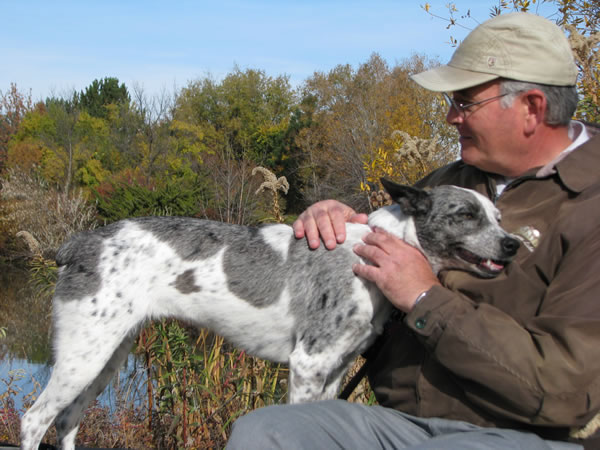
When we first adopted Blue Belle, we drove across Idaho to Wyoming to meet her. We stayed overnight, picked her up the next morning from Lucky’s Place, and she was so excited to hop into our car. However, excitement and stress often look similar in dogs.
If you’d like to read the full story of her adoption, you can find it here: The Rescue Dog That Rescued Us.
A few hours into the drive, we stopped at a little store. I opened my door, and before I realized it, she darted out and ran around the car. It startled me — I could have closed the door without realizing she was there. After that, we were extra careful.
We stopped often so she could stretch and go potty, but she was too nervous to relieve herself. It wasn’t until we were just fifteen minutes from home — after nearly ten hours of travel — that she finally felt safe enough to go. In fact, that moment taught us how deeply stress can affect a dog’s body.
Subtle Signs of Stress in Dogs You Should Notice
These are the quiet whispers — the signs most people miss.
- Lip licking
- Yawning (not from tiredness)
- Turning the head away
- Slow blinking
- Shaking off (like after a bath)
- Pacing
- Sudden sniffing
- Ears slightly back
- Tail held lower than usual
These quiet dog anxiety signs often appear long before a dog shows more obvious stress behaviors. Taken together, these signals are your dog saying, ‘I’m not comfortable.” Catching stress early prevents escalation.
Every signal your dog gives you is an invitation to understand them more deeply.
Clear Signs of Escalating Stress in Dogs
When subtle dog anxiety signs go unnoticed, they can escalate into more intense stress behaviors like these.
These are the behaviors most people recognize — the “shouts.”
- Barking
- Whining
- Hiding
- Panting
- Drooling
- Trembling
- Destructive behavior
- Refusing food
- Growling or snapping (communication, not “meanness”)
Ultimately, aggression is almost always a last resort.— a dog saying, “I’ve tried everything else.”
Car Rides and the Park Routine
Even now, when we take Blue Belle for a drive — usually to the vet — she tends to whine. It’s a mix of nerves and anticipation — and sometimes uncertainty. So we created a routine that helps her feel grounded. We always stop at a nearby park first. She gets a short walk, does her sniffing and her business, and then she’s ready to continue the trip. As a result, that small ritual makes the whole experience easier for her.
How Stress Affects a Dog’s Body and Mind
Chronic stress can quietly reshape a dog’s daily life.
- Elevated cortisol
- Sleep disruption
- Digestive issues
- Lowered immune response
- Reduced ability to learn
- Emotional exhaustion
This is why stress relief isn’t optional — it’s essential.
For some dogs, stress doesn’t just affect behavior — it can influence medical conditions as well. In rare cases, stress and anxiety may even act as seizure triggers, as noted by veterinary neurologists at Tufts University.For this reason, stress relief isn’t optional — it’s essential.
When Stress Becomes Chronic
Chronic stress is stress that doesn’t go away. It can look like:
- Constant tension
- Hypervigilance
- Reactivity
- Withdrawal
- “Stubbornness” or “disobedience” that’s actually your dog feeling overwhelmed.
If you’re seeing these patterns, then it may be time to consult a trainer, behaviorist, or veterinarian. You’re not failing — you’re advocating.
Vet Visits and Emotional Memory
Blue Belle trembles at the regular vet, but when we visit her oncologist, Dr. Hume, something shifts. She’s nervous at first, but the moment she sees her, she relaxes. It’s remarkable, because that facility is where she experienced some of her highest stress — pancreatitis, feeding tubes, IVs, and five days in ICU. At first glance, you’d think she would fear the place forever. But they cared for her so gently, and they let us visit every day. Her trust in them shows how powerful compassionate care can be for a stressed dog.
Practical Ways to Help a Stressed Dog Right Now
Small changes make a big difference.
- Create predictable routines
- Offer safe, quiet spaces
- Reduce triggers when possible
- Add calming sensory input (music, scent, lighting)
- Increase enrichment and mental stimulation
- Practice calm presence and co‑regulation
Everyday Stressors — and What Helps
Blue Belle still gets stressed when she meets unfamiliar dogs, and fireworks or thunder used to send her into a barking frenzy.Yett the last time we had fireworks, she stayed calm. Music has helped. Ever since we discovered how calming music can be for dogs, we play gentle dog‑relaxation tracks when she’s resting. It’s become part of her comfort routine — and we shared our full strategy in The Sky Is Angry, But I’ve Got Tunes: A Dog’s Fireworks Strategy.
Ultimately, stress is a part of life — for us and for our dogs. But with awareness and small, thoughtful changes, you can transform your dog’s daily experience from anxious to grounded, from uncertain to secure. Every signal they give you is an invitation to understand them more deeply.
Blue Belle has taught us that even the most stressed or sensitive dogs can find comfort, trust, and joy again with patience and predictable routines. Your dog can, too.
Now that you understand what stress looks like and why it matters, the next post in this series explores one of the simplest, most science‑backed tools for helping your dog relax: calming music. From easing separation anxiety to supporting senior dogs, music can create a predictable, soothing environment that helps your dog feel safe. You’re not alone on this journey — and your dog is lucky to have someone who cares enough to learn.
Next in the Dog Stress Relief Series: 👉 How Music Affects Dogs: The Science, the Benefits, and Blue Belle’s Story
Pingback: Snap Stunning Dog Photos with EaseDogBlog: A Dog's Eye View
Pingback: Helping Your Dog Through Life ChangesDogBlog: A Dog's Eye View
Pingback: Dog Wedding Ideas: How to Include Your Pup in the Big DayDogBlog: A Dog's Eye View
Pingback: Calming Music for Dogs: Science‑Backed BenefitsDogBlog: A Dog's Eye View